

Are there any differences between mechanical and electric brake vacuum pumps?
In the automotive industry, brake vacuum pumps play a crucial role in ensuring the safety and efficiency of a vehicle's braking system. As a leading brake vacuum pump supplier, I often encounter questions from customers about the differences between mechanical and electric brake vacuum pumps. In this blog post, I will delve into the characteristics, advantages, and disadvantages of both types to help you make an informed decision.
Working Principles
Mechanical Brake Vacuum Pumps
Mechanical brake vacuum pumps are typically driven by the engine's camshaft or a belt. They rely on the engine's rotation to create a vacuum. As the engine runs, the mechanical pump's pistons or rotors move, which in turn draws air out of the brake booster, creating a pressure difference that assists in braking. This type of pump has been around for a long time and is well - established in traditional internal combustion engine vehicles.

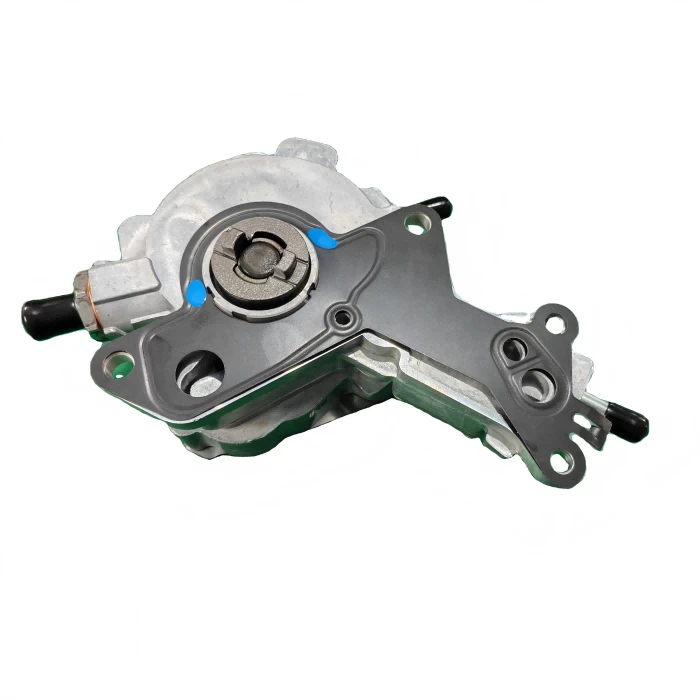
Electric Brake Vacuum Pumps
Electric brake vacuum pumps, on the other hand, are powered by the vehicle's electrical system. They use an electric motor to drive the pump mechanism. When the brake booster's vacuum level drops below a certain threshold, a sensor sends a signal to the electric pump, which then activates to restore the required vacuum. Electric pumps are more commonly found in modern vehicles, especially those with hybrid or electric drivetrains, as well as some advanced internal combustion engine cars.
Performance and Efficiency
Response Time
Electric brake vacuum pumps generally have a faster response time compared to mechanical ones. Since they can be activated immediately when the vacuum level needs to be replenished, they can provide a more consistent and reliable vacuum supply. In contrast, mechanical pumps are dependent on the engine's speed. At low engine speeds or during idle, the mechanical pump may not be able to generate sufficient vacuum quickly, which could potentially affect the braking performance.
Energy Consumption
In terms of energy consumption, mechanical pumps are directly linked to the engine's operation. They consume a certain amount of engine power, which can slightly reduce the overall fuel efficiency of the vehicle. Electric pumps, however, only consume electricity when they are actively working. This means that in situations where the vacuum level is already sufficient, the electric pump remains idle, resulting in potentially lower energy consumption, especially in vehicles with start - stop systems.
Installation and Compatibility
Installation Complexity
Mechanical brake vacuum pumps are usually integrated into the engine's system, which means that their installation is closely related to the engine's design. This can make the installation process more complex, especially during engine overhauls or replacements. Electric pumps, on the other hand, are more modular and easier to install. They can be mounted in various locations within the vehicle, as long as there is access to the electrical system and the brake booster.
Compatibility with Different Vehicle Types
Mechanical pumps are well - suited for traditional internal combustion engine vehicles. However, as the automotive industry moves towards electrification, the compatibility of mechanical pumps becomes limited. Electric brake vacuum pumps are more versatile and can be used in a wide range of vehicle types, including hybrid electric vehicles (HEVs), plug - in hybrid electric vehicles (PHEVs), and battery electric vehicles (BEVs).
Maintenance and Durability
Maintenance Requirements
Mechanical brake vacuum pumps are subject to the wear and tear of engine components. They require regular maintenance as part of the engine's overall maintenance schedule. This may include checking the pump's drive belt tension, lubrication, and overall mechanical integrity. Electric pumps have fewer moving parts and are generally less affected by engine - related issues. Their maintenance mainly involves checking the electrical connections and the motor's performance.
Durability
The durability of both types of pumps depends on various factors such as the quality of the materials used, the operating conditions, and the frequency of use. However, since electric pumps are not directly exposed to the harsh environment of the engine compartment, they may have a longer lifespan in some cases. Mechanical pumps, while reliable, may be more prone to damage due to engine vibrations and high - temperature conditions.
Cost Considerations
Initial Cost
Electric brake vacuum pumps are generally more expensive than mechanical ones. This is due to the additional cost of the electric motor and the associated control electronics. However, the price difference may be offset by the long - term benefits such as improved fuel efficiency and reduced maintenance costs.
Long - Term Cost
In the long run, the cost of operating and maintaining an electric pump may be lower. As mentioned earlier, electric pumps can potentially save energy, which can result in lower fuel costs over time. Additionally, their lower maintenance requirements can also reduce the overall cost of ownership.
Our Product Offerings
As a brake vacuum pump supplier, we offer a wide range of both mechanical and electric brake vacuum pumps to meet the diverse needs of our customers. Our Brake Vacuum Pump UP28 is a high - performance electric pump that is designed for modern vehicles. It provides a fast and reliable vacuum supply, ensuring optimal braking performance. Our VACUUM PUMP 1119420 is a well - established mechanical pump that has been proven in traditional internal combustion engine applications. We also offer the Vacuum Pump 038145209C, which is a versatile option suitable for a variety of vehicle models.
Conclusion
In conclusion, there are significant differences between mechanical and electric brake vacuum pumps in terms of working principles, performance, installation, maintenance, and cost. The choice between the two depends on the specific requirements of the vehicle, such as the type of drivetrain, performance expectations, and budget. As a brake vacuum pump supplier, we are committed to providing our customers with high - quality products and professional advice to help them select the most suitable pump for their vehicles.
If you are interested in purchasing brake vacuum pumps or have any questions about our products, please feel free to contact us for further discussion and procurement negotiations. We look forward to serving you and meeting your automotive braking system needs.
References
- Bosch Automotive Handbook. Robert Bosch GmbH, 2014.
- SAE International Standards on Automotive Braking Systems. Society of Automotive Engineers, various editions.