

Are there any special considerations for diesel engine thermostats?
Hey there! As a supplier of engine thermostats, I've been getting a ton of questions lately about diesel engine thermostats. So, I thought I'd take a deep - dive into this topic and share some special considerations you should keep in mind.
The Basics of Diesel Engines and Thermostats
First off, let's quickly go over what a thermostat does in a diesel engine. Just like in any engine, the thermostat is a crucial part of the cooling system. Its main job is to regulate the engine's operating temperature. It does this by controlling the flow of coolant through the engine. When the engine is cold, the thermostat stays closed, which helps the engine warm up faster. Once the engine reaches the right temperature, the thermostat opens up, allowing coolant to circulate and keep the engine from overheating.
Diesel engines, though, have some unique characteristics compared to gasoline engines. They run at higher compression ratios, which means they generate more heat. This extra heat can put more stress on the thermostat. Also, diesel engines often operate under heavier loads for longer periods, which means the thermostat has to work harder and more consistently.
Special Considerations for Diesel Engine Thermostats
Temperature Range
One of the most important things to consider is the temperature range. Diesel engines typically operate at higher temperatures than gasoline engines. A typical gasoline engine might operate between 195°F - 220°F (90°C - 104°C), while a diesel engine can run anywhere from 200°F - 230°F (93°C - 110°C). So, when choosing a thermostat for a diesel engine, you need one that can handle these higher temperatures.
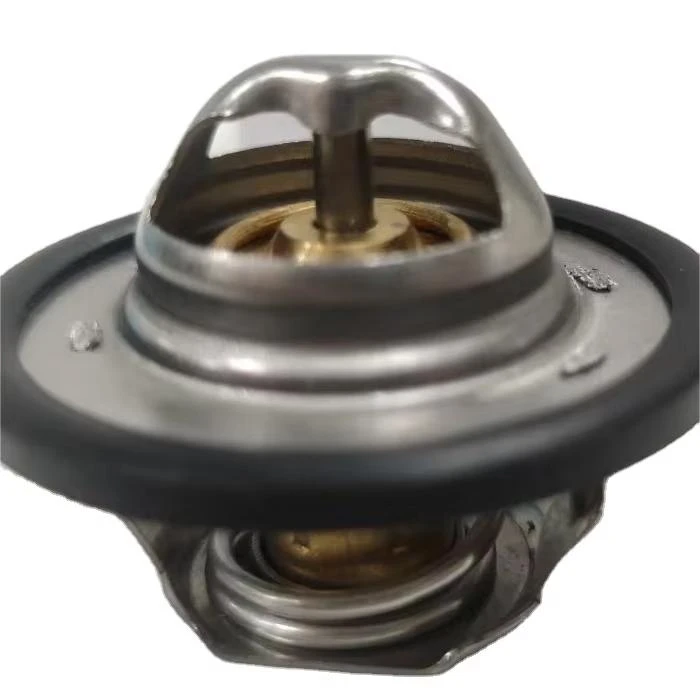
For example, our Cooling Water Thermostat 24435102 is designed to work within the ideal temperature range for diesel engines. It's built to open and close at the right times to ensure that the engine stays at the optimal operating temperature, even under heavy - duty conditions.
Durability
Durability is another key factor. Diesel engines are known for their long - lasting performance, and the thermostat needs to keep up. The constant high - temperature operation and the vibration from the engine can take a toll on the thermostat over time.
That's why we use high - quality materials in our thermostats. Our thermostats are made with robust alloys and seals that can withstand the harsh environment inside a diesel engine. For instance, the Auto Thermostat 96984104 is engineered to be durable. It has a strong housing that protects the internal components from damage, and the seals are designed to prevent coolant leaks, which can be a real headache in a diesel engine.
Response Time
The response time of a thermostat is how quickly it reacts to changes in temperature. In a diesel engine, where heat can build up rapidly, a fast - responding thermostat is essential.
Imagine you're driving a big diesel - powered truck up a steep hill. The engine is working hard, and the temperature starts to rise. You need a thermostat that can sense this change and open up quickly to let the coolant flow. Our Automotive Thermostat 7700872554 is designed with a fast - acting element that can respond to temperature changes in a matter of seconds. This helps prevent the engine from overheating and keeps it running smoothly.
Compatibility
You also have to make sure the thermostat is compatible with the rest of the engine's cooling system. Diesel engines can have different cooling system designs, and the thermostat needs to fit in and work well with all the other components, like the radiator, water pump, and hoses.
When you're choosing a thermostat, it's a good idea to check the specifications and make sure it matches the requirements of your diesel engine. We offer a wide range of thermostats, and our team can help you find the perfect one for your specific engine model.
Maintenance and Replacement
Even the best - made thermostats will eventually need to be replaced. Regular maintenance is important to keep your diesel engine's cooling system in top shape.
You should check the thermostat periodically for signs of wear and tear. Look for things like leaks, corrosion, or if it's not opening and closing properly. If you notice any of these issues, it's time to replace the thermostat.
Replacing a thermostat in a diesel engine is usually a fairly straightforward process, but it's important to do it correctly. Make sure you follow the manufacturer's instructions and use the right tools. And of course, use a high - quality replacement thermostat, like the ones we offer.

Why Choose Our Thermostats
As an engine thermostat supplier, we take pride in offering top - notch products. Our thermostats are designed and tested to meet the highest standards. We use the latest technology and manufacturing processes to ensure that each thermostat is reliable and performs well.
We also understand that every customer has different needs. Whether you're a trucking company, a farmer with diesel - powered equipment, or just someone who owns a diesel car, we have the right thermostat for you. Our customer service team is always ready to help you choose the best product and answer any questions you might have.
Conclusion
So, there you have it! These are some of the special considerations for diesel engine thermostats. Temperature range, durability, response time, and compatibility are all important factors to keep in mind. And if you're in the market for a high - quality diesel engine thermostat, look no further. We've got a great selection of thermostats that are designed to meet the unique needs of diesel engines.
If you're interested in learning more about our products or want to start a purchase negotiation, feel free to reach out. We're here to help you keep your diesel engine running at its best.
References
- Heywood, J. B. (1988). Internal Combustion Engine Fundamentals. McGraw - Hill.
- Stone, R. (2012). Introduction to Internal Combustion Engines. Pearson Education.