

Can a brake pad set be adjusted?
As a trusted supplier of brake pad sets, I often get asked the question: "Can a brake pad set be adjusted?" It's a valid query, especially for those who are looking to optimize the performance of their vehicle's braking system. In this blog post, I'll delve into the intricacies of brake pad adjustment, exploring whether it's possible, when it might be necessary, and the implications of doing so.
Understanding Brake Pad Basics
Before we discuss adjustment, let's first understand the fundamental role of brake pads. Brake pads are a crucial component of a vehicle's braking system. When you press the brake pedal, the brake caliper squeezes the brake pads against the brake rotor. This friction between the pads and the rotor slows down the rotation of the wheels, ultimately bringing the vehicle to a stop.
Brake pads are designed to wear over time due to the constant friction and heat generated during braking. As they wear, their thickness decreases, which can affect the braking performance. This is why regular inspection and replacement of brake pads are essential for maintaining safe driving conditions.
Can Brake Pads Be Adjusted?
The short answer is that, in most cases, modern brake pad sets are not designed to be adjusted in the traditional sense. Unlike some older braking systems where manual adjustment was possible, contemporary brake pads are part of a self - adjusting system.
Self - Adjusting Mechanisms
Modern vehicles are equipped with self - adjusting brake systems. These systems are designed to automatically compensate for the wear of the brake pads. For example, in disc brake systems, the caliper piston moves out slightly as the brake pads wear. This movement ensures that the proper clearance is maintained between the brake pads and the rotor, so the brakes can function effectively without any manual intervention.
In drum brake systems, there are also self - adjusting mechanisms. A star wheel adjuster is commonly used to increase the distance between the brake shoes (similar to brake pads in disc systems) and the drum as the shoes wear. This adjuster is usually activated by the reverse motion of the vehicle or by the normal braking action.
Situations Where Adjustment Might Be Misconstrued
There are some situations where people might think they are "adjusting" the brake pads, but it's not actually a direct adjustment of the pads themselves. For instance, if the brake pedal feels spongy or the brakes seem less responsive, it could be due to air in the brake lines. In this case, bleeding the brakes is a common solution. Bleeding the brakes involves removing the air from the brake lines, which can improve the braking performance. However, this is an adjustment of the brake fluid system, not the brake pads.
Another situation is when the brake caliper is not functioning properly. If the caliper is sticking, it can cause uneven wear of the brake pads. In such cases, the caliper may need to be repaired or replaced. This is more of a maintenance or repair task related to the caliper rather than an adjustment of the brake pads.
When Manual Intervention Might Be Necessary
Although self - adjusting systems are the norm, there are a few rare scenarios where manual adjustment or intervention related to brake pads might be required.
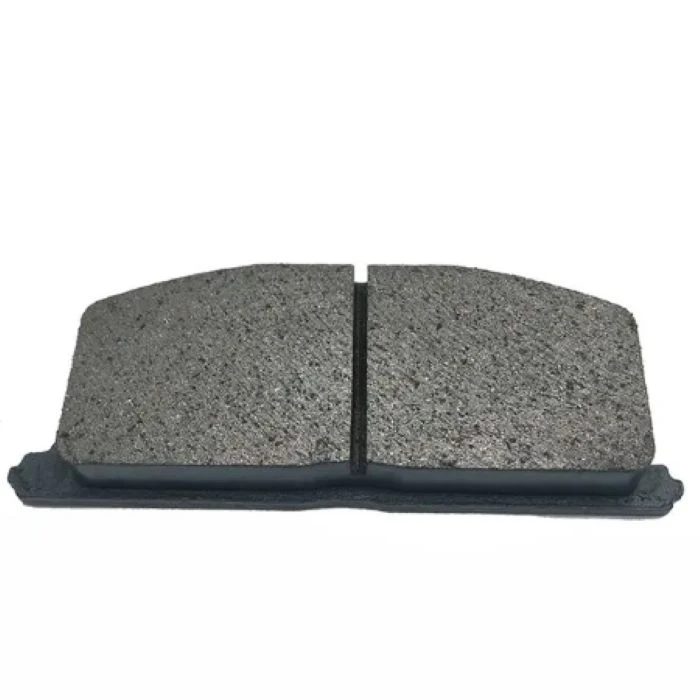

Aftermarket Brake Pad Installation
When installing aftermarket brake pads, it's crucial to ensure proper fitment. Sometimes, the aftermarket pads may require some minor modifications or adjustments to fit correctly in the caliper. This could involve trimming the pads slightly or ensuring that the shims (which help with noise reduction and proper alignment) are installed correctly.
Custom or High - Performance Braking Systems
In custom or high - performance braking systems, there may be more room for adjustment. These systems are often used in racing or high - end vehicles where precise control over the braking performance is desired. For example, some high - performance calipers allow for the adjustment of the pad contact angle or the pre - load on the pads. However, these adjustments require a high level of technical knowledge and should only be attempted by professionals.
Importance of Proper Brake Pad Maintenance
Even though brake pads are generally self - adjusting, proper maintenance is still crucial for optimal performance and safety.
Regular Inspections
Regularly inspecting the brake pads is essential. You can check the thickness of the brake pads visually or by using a brake pad thickness gauge. Most manufacturers recommend replacing the brake pads when they reach a certain minimum thickness, usually around 3 - 4 millimeters.
Replacement of Worn Components
If the brake pads are worn beyond the recommended thickness or if there are signs of uneven wear, it's important to replace them promptly. Additionally, other components of the braking system, such as the calipers, rotors, and brake lines, should also be inspected and replaced if necessary.
Our Brake Pad Offerings
As a brake pad set supplier, we offer a wide range of high - quality brake pads to meet the needs of different vehicles. For example, our Brake Pads 41060 - EB326 are designed for specific makes and models, providing excellent braking performance and durability. Similarly, our Brake Pads 04465 - 12240 are engineered to meet the highest standards of safety and reliability.
Our brake pads are made from premium materials, ensuring long - lasting performance and resistance to heat and wear. We also provide detailed installation instructions and support to ensure that our customers can install the brake pads correctly.
Conclusion
In conclusion, while modern brake pad sets are generally not designed to be adjusted in the traditional sense, they are part of self - adjusting systems that ensure proper functionality. However, there are rare situations where some form of adjustment or intervention might be required, especially in aftermarket or high - performance braking systems.
Proper maintenance of the brake pads and the entire braking system is essential for safe driving. If you have any questions about our brake pad products or need advice on brake system maintenance, we encourage you to reach out to us. We are here to assist you in finding the right brake pad set for your vehicle and ensuring that your brakes perform at their best. Whether you are a professional mechanic or a DIY enthusiast, we are committed to providing you with the highest quality products and service. Contact us today to start a discussion about your brake pad needs and explore our wide range of offerings.
References
- Haynes, John. "Haynes Repair Manuals." Various editions cover different vehicle models and their braking systems.
- Chilton, Robert. "Chilton's Automotive Repair Manuals." These manuals provide in - depth information on automotive maintenance and repair, including braking systems.
- Bosch Automotive Handbook. A comprehensive reference for automotive technology, including details on braking systems and components.