

Can a brake vacuum pump be used in a motorcycle?
In the world of automotive technology, brake vacuum pumps play a crucial role in enhancing the braking performance of vehicles. These pumps are commonly used in cars to assist in generating the necessary vacuum for power brakes, ensuring efficient and reliable stopping power. However, a question that often arises is whether a brake vacuum pump can be used in a motorcycle. As a brake vacuum pump supplier, I will delve into this topic and provide insights based on scientific knowledge and practical experience.
Understanding Brake Vacuum Pumps
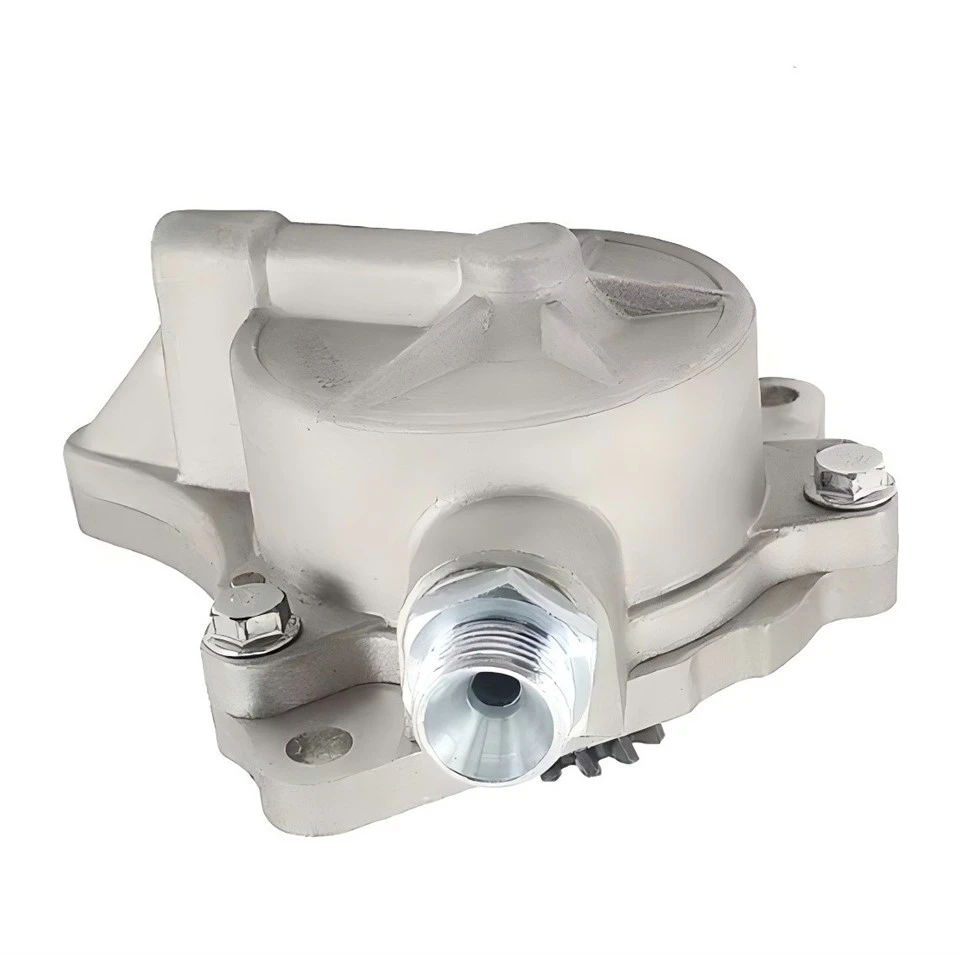
Before discussing the applicability of brake vacuum pumps in motorcycles, it is essential to understand how these pumps work and their function in a braking system. A brake vacuum pump is designed to create a vacuum within the brake booster, which amplifies the force applied by the driver on the brake pedal. This vacuum-assisted braking system allows for easier and more effective braking, especially in larger vehicles or those with high-performance braking requirements.
In a typical car, the engine's intake manifold provides the necessary vacuum for the brake booster. However, some vehicles, such as diesel engines or those with turbochargers, may not generate sufficient vacuum naturally. In such cases, a brake vacuum pump is installed to supplement the vacuum supply and ensure optimal braking performance.
Can a Brake Vacuum Pump Be Used in a Motorcycle?
The short answer is yes, a brake vacuum pump can be used in a motorcycle. However, several factors need to be considered before implementing such a system. Unlike cars, motorcycles have different design characteristics and braking requirements, which may affect the feasibility and effectiveness of using a brake vacuum pump.
1. Braking System Design
Motorcycles typically have a simpler braking system compared to cars. Most motorcycles rely on a hydraulic braking system, where the force applied by the rider on the brake lever is transmitted through brake fluid to the brake calipers, which then squeeze the brake pads against the brake discs to slow down or stop the motorcycle. This hydraulic braking system is generally sufficient for the braking needs of motorcycles, as they are lighter and have lower speeds compared to cars.
However, some high-performance motorcycles or those with larger engines may benefit from a vacuum-assisted braking system. For example, sport motorcycles or touring motorcycles with heavy loads may require more powerful braking, and a brake vacuum pump can help enhance the braking performance by providing additional braking force.
2. Space and Weight Constraints
Motorcycles have limited space and weight capacity, which can pose challenges when installing a brake vacuum pump. Unlike cars, motorcycles do not have a large engine compartment or trunk to accommodate additional components. Therefore, the brake vacuum pump needs to be compact and lightweight to minimize the impact on the motorcycle's overall weight and handling.
Additionally, the installation of a brake vacuum pump may require modifications to the motorcycle's frame or bodywork, which can be time-consuming and costly. It is important to ensure that the installation of the brake vacuum pump does not interfere with other components or systems on the motorcycle, such as the fuel tank, exhaust system, or electrical wiring.
3. Cost and Complexity
Implementing a brake vacuum pump in a motorcycle can increase the cost and complexity of the braking system. In addition to the cost of the brake vacuum pump itself, there may be additional costs associated with installation, maintenance, and troubleshooting. Moreover, the added complexity of the vacuum-assisted braking system may require more frequent maintenance and servicing to ensure optimal performance.
For these reasons, the use of a brake vacuum pump in a motorcycle is typically limited to high-performance or specialized applications, where the benefits of improved braking performance outweigh the additional cost and complexity.
Advantages of Using a Brake Vacuum Pump in a Motorcycle
Despite the challenges and limitations, there are several advantages to using a brake vacuum pump in a motorcycle.
1. Improved Braking Performance
The primary advantage of using a brake vacuum pump in a motorcycle is improved braking performance. A vacuum-assisted braking system can provide additional braking force, especially in emergency situations or when riding at high speeds. This can help reduce stopping distances and enhance the overall safety of the motorcycle.
2. Easier Braking
A brake vacuum pump can also make braking easier for the rider. By providing additional braking force, the rider can apply less pressure on the brake lever to achieve the same level of braking performance. This can be particularly beneficial for riders with limited hand strength or those who need to make frequent stops, such as in urban traffic.

3. Compatibility with High-Performance Braking Systems
Some high-performance motorcycles may have advanced braking systems, such as anti-lock braking systems (ABS) or traction control systems (TCS). These systems require precise control of the braking force to ensure optimal performance. A brake vacuum pump can provide the necessary vacuum to operate these systems effectively, enhancing the overall safety and performance of the motorcycle.
Considerations for Using a Brake Vacuum Pump in a Motorcycle
If you are considering using a brake vacuum pump in your motorcycle, there are several important considerations to keep in mind.
1. Compatibility
Ensure that the brake vacuum pump is compatible with your motorcycle's braking system and specifications. Different motorcycles may have different requirements for vacuum pressure, flow rate, and mounting dimensions. It is important to choose a brake vacuum pump that is specifically designed for use in motorcycles and meets the requirements of your particular model.
2. Installation
Proper installation of the brake vacuum pump is crucial for its safe and effective operation. It is recommended to have the brake vacuum pump installed by a qualified mechanic or technician who has experience working with motorcycle braking systems. The installation process may involve modifying the motorcycle's frame, bodywork, or plumbing, so it is important to follow the manufacturer's instructions carefully and ensure that all components are properly installed and secured.
3. Maintenance
Regular maintenance is essential to ensure the optimal performance and longevity of the brake vacuum pump. This includes checking the vacuum lines for leaks, inspecting the pump for damage or wear, and replacing any worn or damaged components as needed. It is also important to follow the manufacturer's recommended maintenance schedule and use the correct type of brake fluid and lubricants.
Our Brake Vacuum Pump Products
As a brake vacuum pump supplier, we offer a wide range of high-quality brake vacuum pumps suitable for various applications, including motorcycles. Our products are designed and manufactured to meet the highest standards of quality and performance, ensuring reliable and efficient operation.
Some of our popular brake vacuum pump products include:
- Brake Vacuum Pump SH0118G00A: This compact and lightweight brake vacuum pump is suitable for use in motorcycles and other small vehicles. It provides reliable vacuum assistance for improved braking performance.
- Automotive Vacuum Pump ME013497 ME017287: This high-performance vacuum pump is designed for use in cars and trucks with demanding braking requirements. It offers excellent vacuum generation and durability, making it suitable for a wide range of applications.
- Vacuum Pump 14650-7T401: This heavy-duty vacuum pump is ideal for use in commercial vehicles and industrial equipment. It provides powerful vacuum assistance for large-scale braking systems, ensuring reliable and efficient operation.
Conclusion
In conclusion, while a brake vacuum pump can be used in a motorcycle, it is not a common or necessary component for most motorcycles. The decision to use a brake vacuum pump in a motorcycle should be based on the specific braking requirements and design characteristics of the motorcycle, as well as the rider's preferences and budget.
If you are considering using a brake vacuum pump in your motorcycle, it is important to consult with a qualified mechanic or technician to determine the feasibility and suitability of such a system. They can provide expert advice and guidance on the installation, maintenance, and operation of the brake vacuum pump, ensuring optimal performance and safety.
As a brake vacuum pump supplier, we are committed to providing high-quality products and excellent customer service. If you have any questions or need further information about our brake vacuum pump products, please feel free to contact us. We look forward to discussing your specific requirements and helping you find the right solution for your motorcycle.
References
- Bosch Automotive Handbook, 8th Edition
- Motorcycle Design and Technology, 3rd Edition
- SAE International Journal of Passenger Cars - Mechanical Systems