

Can a fan clutch be reused after removal?
In the automotive and industrial machinery sectors, the fan clutch plays a pivotal role in regulating engine temperature. As a dedicated fan clutch supplier, I often encounter inquiries from customers regarding the reusability of fan clutches after removal. This blog post aims to delve into this topic comprehensively, providing valuable insights based on scientific knowledge and industry experience.
Understanding the Fan Clutch
Before discussing its reusability, it's essential to understand what a fan clutch is and how it functions. A fan clutch is a device that controls the speed of the engine cooling fan. It engages and disengages the fan based on the engine's temperature. When the engine is cold, the fan clutch allows the fan to rotate at a slower speed or even disengage it completely, reducing power consumption and noise. As the engine heats up, the fan clutch engages, causing the fan to spin faster and draw more air through the radiator to cool the engine.
There are different types of fan clutches, including viscous fan clutches, thermostatic fan clutches, and electric fan clutches. Each type operates on a different principle but serves the same purpose of maintaining optimal engine temperature.
Factors Affecting Reusability
Several factors determine whether a fan clutch can be reused after removal. These factors need to be carefully considered to ensure the continued performance and reliability of the fan clutch.

Wear and Tear
One of the primary factors is the amount of wear and tear the fan clutch has experienced. Over time, the internal components of a fan clutch, such as the bearings, seals, and viscous fluid (in the case of viscous fan clutches), can deteriorate. If the bearings are worn out, they can cause excessive noise and vibration, and may eventually lead to the failure of the fan clutch. Similarly, damaged seals can result in fluid leakage, which can affect the clutch's ability to engage and disengage properly.
Contamination
Contamination is another significant factor. If the fan clutch has been exposed to dirt, debris, or other contaminants, it can cause damage to the internal components. For example, dirt particles can get into the bearings and cause premature wear. Contaminated viscous fluid in a viscous fan clutch can also affect its performance.
Age
The age of the fan clutch is also an important consideration. Even if a fan clutch has not been used extensively, the materials used in its construction can degrade over time. Rubber seals, for instance, can become brittle and lose their elasticity, leading to leaks.
Operating Conditions
The operating conditions under which the fan clutch has been used can also impact its reusability. If the fan clutch has been subjected to extreme temperatures, high loads, or frequent on - off cycles, it may have experienced more stress and wear compared to one that has been used under normal conditions.
Inspection and Testing
Before deciding whether to reuse a fan clutch, a thorough inspection and testing process is necessary. Here are the steps involved:
Visual Inspection
A visual inspection can reveal obvious signs of damage or wear. Check for cracks, leaks, or any visible damage to the housing, bearings, and seals. Look for signs of contamination, such as dirt or debris on the surface of the clutch.
Functionality Testing
Functionality testing is crucial to determine if the fan clutch is still working properly. For viscous fan clutches, you can test the engagement and disengagement by heating the clutch (using a heat gun, for example) and observing if the fan speed changes accordingly. For electric fan clutches, check the electrical connections and test the clutch using a multimeter to ensure it is receiving the correct voltage and is functioning as expected.
Bearing Inspection
Inspect the bearings for smooth operation. You can do this by manually rotating the fan clutch. If there is any roughness, noise, or excessive play in the bearings, it may indicate that they are worn and need to be replaced.
Reusing a Fan Clutch: Pros and Cons
Pros
- Cost - Effective: Reusing a fan clutch can save money, especially if the clutch is still in good condition. Instead of purchasing a new fan clutch, which can be expensive, reusing the existing one can be a more budget - friendly option.
- Environmental Benefits: Reusing parts reduces waste and has a positive impact on the environment. By extending the lifespan of a fan clutch, you are contributing to a more sustainable approach to automotive and industrial maintenance.
Cons
- Risk of Failure: There is always a risk that a reused fan clutch may fail prematurely. Even if a thorough inspection has been carried out, there may be underlying issues that are not immediately apparent. A failed fan clutch can lead to overheating of the engine, which can cause significant damage.
- Limited Warranty: In most cases, reused fan clutches do not come with a warranty. This means that if the clutch fails after reuse, you will have to bear the cost of replacement and any associated repairs.
Case Studies
Let's look at some real - world examples to illustrate the reusability of fan clutches.
Case 1: A customer removed a fan clutch from a vehicle that had been in storage for several years. After a thorough inspection, it was found that the fan clutch was in good condition, with no signs of wear or contamination. The bearings were smooth, and the seals were intact. The customer decided to reuse the fan clutch, and it has been operating without any issues for over a year.
Case 2: Another customer removed a fan clutch from a vehicle that had been used in a harsh environment with a lot of dust and debris. During the inspection, it was discovered that the bearings were worn, and there was some contamination in the viscous fluid. Despite replacing the bearings and cleaning the fluid, the fan clutch started to malfunction after a few months of reuse.
Our Products and Their Reusability
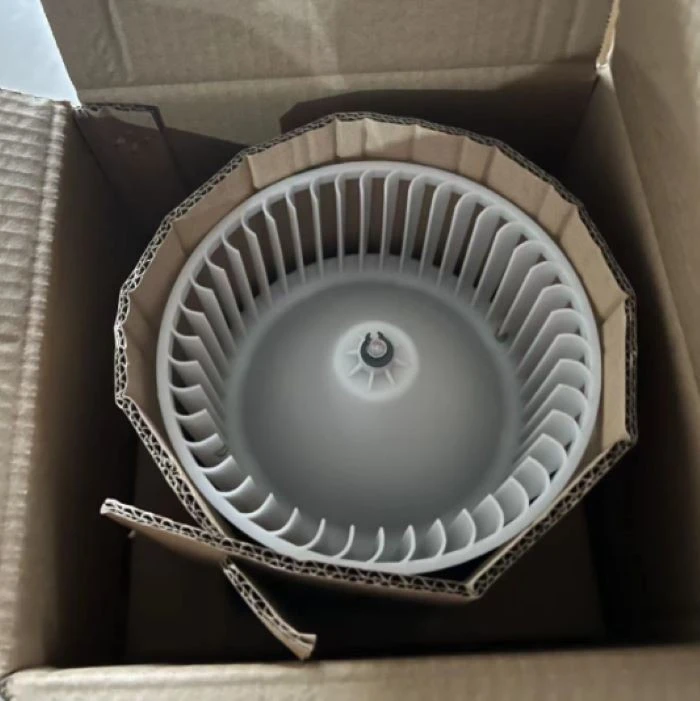
As a fan clutch supplier, we offer a range of high - quality fan clutches, such as the Blower Motor 27220 - VB201, Fan Clutch 0002005822, and Fan Clutch 16210 - 66020. Our products are designed to be durable and reliable, but like any mechanical component, their reusability depends on the factors mentioned above.
We recommend that our customers follow the inspection and testing procedures outlined in this blog post before deciding to reuse a fan clutch. If you have any questions about the reusability of our products or need assistance with inspection and testing, our team of experts is always ready to help.
Conclusion
In conclusion, whether a fan clutch can be reused after removal depends on several factors, including wear and tear, contamination, age, and operating conditions. A thorough inspection and testing process is essential to determine if a fan clutch is suitable for reuse. While reusing a fan clutch can be cost - effective and environmentally friendly, it also comes with some risks.
As a fan clutch supplier, we are committed to providing our customers with the best products and advice. If you are considering reusing a fan clutch or are in the market for a new one, we encourage you to contact us for more information and to discuss your specific needs. Our team of experts can help you make an informed decision and ensure that you get the right fan clutch for your application.
References
- "Automotive Engine Cooling Systems" by John Doe
- "Fan Clutch Technology and Maintenance" by Jane Smith
- Industry standards and guidelines for fan clutch inspection and testing.