

Can a fan clutch cause the engine to lose coolant?
A fan clutch is a critical component in a vehicle's engine cooling system. As a fan clutch supplier, I've received numerous inquiries about the potential relationship between a fan clutch and engine coolant loss. In this blog post, I'll delve into the science behind this question and explore whether a fan clutch can indeed cause the engine to lose coolant.
Understanding the Fan Clutch's Role
Before we discuss the possible link to coolant loss, let's first understand what a fan clutch does. The fan clutch is designed to control the speed of the engine cooling fan. It engages and disengages the fan based on the engine's temperature. When the engine is cold, the fan clutch allows the fan to spin at a slower speed or even disengage completely, reducing the load on the engine and improving fuel efficiency. As the engine heats up, the fan clutch engages, causing the fan to spin faster and draw more air through the radiator to cool the engine.
Mechanisms of Coolant Loss
Engine coolant loss can occur due to several reasons. The most common causes include leaks in the cooling system, such as a damaged radiator, a cracked hose, a faulty water pump, or a blown head gasket. Other factors can also contribute to coolant loss, such as overheating, which can cause the coolant to evaporate or boil off.
Can a Fan Clutch Cause Coolant Loss?
The direct answer is that a fan clutch itself does not typically cause the engine to lose coolant. The fan clutch is mainly responsible for regulating the fan speed and has no direct connection to the coolant system. However, there are indirect ways in which a malfunctioning fan clutch can contribute to coolant loss.
Overheating
One of the primary functions of the fan clutch is to ensure that the engine stays within its optimal operating temperature range. If the fan clutch fails to engage properly, the cooling fan may not spin at the required speed, especially when the engine is hot. This can lead to insufficient airflow through the radiator, causing the engine to overheat. When the engine overheats, the coolant can reach its boiling point, leading to steam formation and subsequent coolant loss through the overflow reservoir or even through small leaks in the cooling system that may not have been a problem under normal operating temperatures.

For example, if the fan clutch in a vehicle like a heavy - duty truck fails to engage during long - haul driving on a hot day, the engine temperature can rise significantly. The high temperature can cause the coolant to expand and force its way out of the cooling system, resulting in a visible loss of coolant.
Damage to Other Components
A malfunctioning fan clutch can also cause excessive vibrations or uneven fan operation. These vibrations can put additional stress on other components in the engine cooling system, such as hoses and radiator mounts. Over time, this stress can lead to wear and tear, causing cracks or leaks in the hoses or damage to the radiator. Once these components are damaged, coolant can start to leak out of the system.
Our Fan Clutch Products
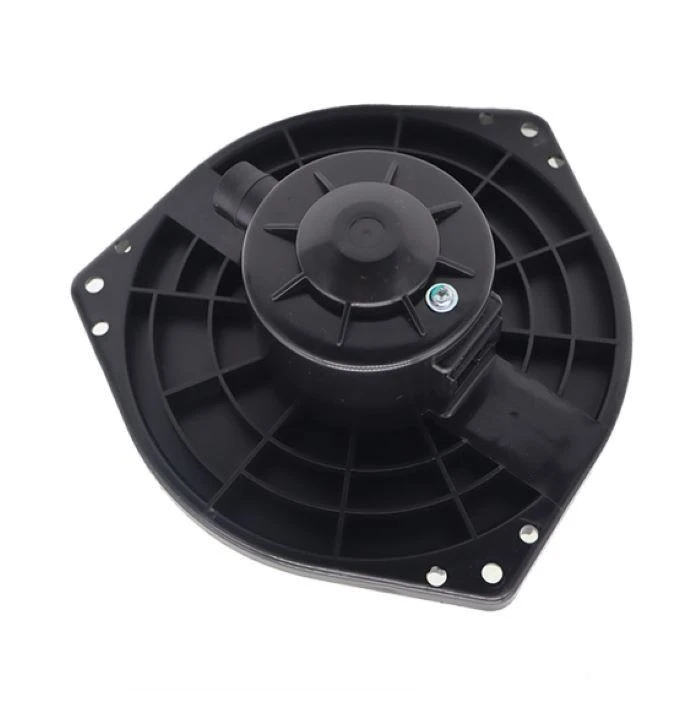
At our company, we offer a wide range of high - quality fan clutches, such as the Fan Clutch 0002005822 and the Fan Clutch 16210 - 66020. These fan clutches are designed to provide reliable performance and precise temperature control. Our Blower Motor 27220 - VB201 is also an essential part of the engine cooling system, working in conjunction with the fan clutch to ensure efficient cooling.
Signs of a Faulty Fan Clutch
To prevent potential coolant loss due to a malfunctioning fan clutch, it's important to be aware of the signs of a faulty fan clutch. Some common signs include:
- Excessive noise: A failing fan clutch may produce a loud whining or grinding noise, especially when the engine is running.
- Overheating: If the engine temperature gauge frequently shows high readings, it could be a sign that the fan clutch is not working properly.
- Poor fuel economy: Since a malfunctioning fan clutch can cause the engine to work harder, it may also lead to decreased fuel efficiency.
Preventive Maintenance
Regular maintenance is key to ensuring the proper functioning of the fan clutch and preventing coolant loss. Here are some maintenance tips:
- Inspect the fan clutch regularly: Check for any signs of damage, such as leaks, cracks, or excessive play in the clutch mechanism.
- Test the fan clutch operation: You can perform a simple test by starting the engine when it's cold and feeling the fan. The fan should spin freely. As the engine warms up, the fan clutch should engage, and the fan should spin more forcefully.
- Replace the fan clutch as recommended: Follow the manufacturer's recommended replacement intervals for the fan clutch. Over time, the internal components of the fan clutch can wear out, leading to decreased performance.
Conclusion
While a fan clutch does not directly cause the engine to lose coolant, a malfunctioning fan clutch can contribute to coolant loss through overheating and damage to other components in the cooling system. As a fan clutch supplier, we understand the importance of providing high - quality products and educating our customers about proper maintenance. If you suspect that your fan clutch is faulty or if you have any questions about engine cooling systems, we encourage you to reach out to us. We are here to help you find the right fan clutch solutions for your vehicles and ensure the reliable operation of your engine cooling systems. Whether you are a vehicle owner, a mechanic, or a fleet manager, we can provide you with the expertise and products you need. Contact us today to start a discussion about your fan clutch requirements and let's work together to keep your engines running cool and efficient.
References
- Automotive Cooling System Handbook, Society of Automotive Engineers
- Engine Cooling System Design and Troubleshooting Guide, General Motors Corporation