

Can a rectifier be repaired?
A rectifier is a crucial component in various electrical systems, especially in automotive and industrial applications. It converts alternating current (AC) into direct current (DC), which is essential for powering electronic devices and maintaining battery charge. As a rectifiers supplier, I often receive inquiries from customers about whether a rectifier can be repaired. In this blog post, I'll delve into the factors determining rectifier repairability, the repair process, and when it might be more prudent to replace it.
Understanding Rectifiers
Before discussing repair possibilities, it's important to understand what rectifiers are and how they work. Rectifiers are typically made up of diodes, which are semiconductor devices that allow current to flow in only one direction. When AC power enters the rectifier, the diodes ensure that the output is a DC current. There are different types of rectifiers, including half - wave rectifiers, full - wave rectifiers, and bridge rectifiers, each with its own configuration and application.
In automotive systems, rectifiers are commonly found in alternators. The alternator generates AC power as the engine runs, and the rectifier converts this AC power into DC power to charge the battery and power the vehicle's electrical systems. Industrial rectifiers, on the other hand, are used in a wide range of applications, such as power supplies for large machinery, electrolysis processes, and renewable energy systems.
Can a Rectifier Be Repaired?
The short answer is yes, a rectifier can often be repaired. However, several factors influence the feasibility and cost - effectiveness of the repair.
1. Type of Damage
The nature of the damage is a primary determinant of whether a rectifier can be repaired. Minor issues, such as a blown fuse or a loose connection, can usually be fixed easily. For example, if a fuse in the rectifier circuit has blown due to a temporary power surge, replacing the fuse can restore the rectifier's functionality.
On the other hand, more severe damage, such as a short - circuited diode, can be more challenging to repair. Diodes are the heart of a rectifier, and if one or more diodes are damaged, they need to be replaced. This requires specialized knowledge and tools, as well as access to the appropriate replacement parts. In some cases, the entire rectifier module may need to be replaced if the damage is extensive.
2. Age and Availability of Parts
The age of the rectifier also plays a role in its repairability. Older rectifiers may have parts that are no longer in production, making it difficult or impossible to find replacements. In such cases, it may be more practical to replace the entire rectifier with a newer model.
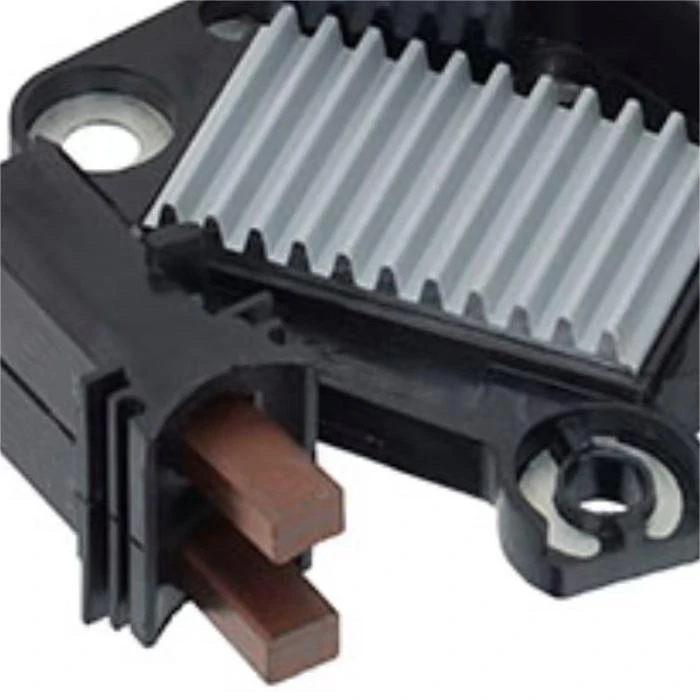
However, as a rectifiers supplier, we often have access to a wide range of replacement parts for different types and models of rectifiers. For example, we offer parts for Alternator Rectifier INR438, Rectifiers 599386, and Rectifier Regulator Assembly. This means that even for older or less common rectifiers, there is a higher chance of finding the necessary parts for repair.
3. Cost - Benefit Analysis
Another important factor is the cost - benefit analysis of repair versus replacement. Repairing a rectifier can be cost - effective if the damage is minor and the cost of parts and labor is relatively low. However, if the rectifier is old and the repair costs are close to or exceed the cost of a new rectifier, it may be more economical to replace it.
In some cases, the cost of diagnosing the problem can also be a significant factor. A professional technician may need to use specialized testing equipment to accurately identify the source of the problem, and this testing can add to the overall cost.
The Rectifier Repair Process
If a rectifier is deemed repairable, the following steps are typically involved in the repair process:
1. Diagnosis
The first step is to diagnose the problem. This involves using testing equipment, such as a multimeter, to check the rectifier's input and output voltages, as well as the continuity of the diodes. A skilled technician will also visually inspect the rectifier for any signs of physical damage, such as burnt components or loose connections.
2. Disassembly
Once the problem has been identified, the rectifier needs to be disassembled. This may involve removing screws, connectors, and other fasteners to access the internal components. Care must be taken during disassembly to avoid causing further damage to the rectifier.
3. Replacement of Faulty Parts
If the diagnosis reveals that a particular component, such as a diode or a capacitor, is faulty, it needs to be replaced. The replacement part must be of the correct type and specification to ensure proper operation of the rectifier.
4. Reassembly and Testing
After the faulty parts have been replaced, the rectifier is reassembled. Once reassembled, it is tested again to ensure that it is functioning properly. This involves checking the output voltage and current, as well as the overall performance of the rectifier under different load conditions.
When to Replace a Rectifier
While rectifiers can often be repaired, there are situations where replacement is the better option:
1. Repeated Failures
If a rectifier has failed multiple times, even after repairs, it may be a sign of underlying design or manufacturing issues. In such cases, replacing the rectifier with a new, more reliable model is usually the best course of action.

2. Incompatibility with New Systems
As technology advances, older rectifiers may become incompatible with new electrical systems. For example, if you are upgrading your vehicle's electrical system or installing new industrial equipment, an older rectifier may not be able to handle the increased power requirements. In these situations, replacing the rectifier with a newer, more powerful model is necessary.
3. Safety Concerns
If the rectifier shows signs of significant physical damage, such as burnt or melted components, it may pose a safety risk. In such cases, it is essential to replace the rectifier to prevent potential electrical fires or other hazards.
Conclusion
In conclusion, a rectifier can often be repaired, but the decision to repair or replace depends on several factors, including the type of damage, the age and availability of parts, and the cost - benefit analysis. As a rectifiers supplier, we are committed to providing our customers with the information and resources they need to make informed decisions about rectifier repair and replacement.
If you are facing issues with a rectifier or are considering a repair or replacement, we encourage you to contact us for professional advice. Our team of experts can help you diagnose the problem, determine the best course of action, and provide you with high - quality replacement parts if needed. Whether you need parts for Alternator Rectifier INR438, Rectifiers 599386, or Rectifier Regulator Assembly, we have you covered. Contact us today to start the procurement and consultation process.
References
- “Electrical Engineering: Principles and Applications” by Allan R. Hambley
- “Automotive Electrical and Electronic Systems” by James D. Halderman