

Can an engine oil cooler be used in a marine engine?
Can an engine oil cooler be used in a marine engine? That's a question I get asked a lot as an engine oil cooler supplier. And the short answer is yes, but there's a lot more to it than that. So, let's dive in and explore the ins and outs of using engine oil coolers in marine engines.
First off, let's understand why we need an oil cooler in the first place. Engines generate a ton of heat when they're running. The oil in the engine plays a crucial role in lubricating the moving parts, reducing friction, and carrying away heat. But if the oil gets too hot, it loses its viscosity, which means it can't lubricate as effectively. This can lead to increased wear and tear on the engine components, reduced performance, and even engine failure in extreme cases.
In a marine environment, the challenges are even greater. Marine engines often operate at high loads for extended periods, especially in commercial vessels or high - performance boats. The saltwater environment can also be corrosive, which can damage the engine and its components over time. That's where an engine oil cooler comes in handy.
An engine oil cooler works by transferring heat from the engine oil to a cooling medium, usually seawater or fresh water. This helps keep the oil at an optimal temperature, ensuring that it can do its job properly. There are different types of oil coolers available, such as plate - type and tube - type coolers, each with its own advantages.
Plate - type oil coolers are compact and have a large surface area for heat transfer. They're efficient and can handle high flow rates of oil. Tube - type coolers, on the other hand, are more robust and can withstand higher pressures. They're often used in larger marine engines.
Now, let's talk about the benefits of using an engine oil cooler in a marine engine. One of the biggest advantages is improved engine performance. When the oil is kept at the right temperature, the engine runs more smoothly, with less friction between the moving parts. This can result in better fuel efficiency, more power, and a longer engine life.
Another benefit is reduced maintenance costs. By preventing the oil from overheating, you're also reducing the wear and tear on the engine components. This means fewer breakdowns and less frequent repairs. In the long run, this can save boat owners a significant amount of money.
However, there are also some considerations when using an engine oil cooler in a marine engine. One of the main challenges is corrosion. As I mentioned earlier, the saltwater environment can be very corrosive. That's why it's important to choose an oil cooler that's made from materials that are resistant to corrosion, such as stainless steel or aluminum.
Another consideration is the installation process. Installing an oil cooler in a marine engine requires some technical knowledge and skills. It's important to ensure that the cooler is properly sized for the engine and that it's installed in the right location. Incorrect installation can lead to poor performance and even damage to the engine.
At our company, we offer a range of high - quality engine oil coolers that are specifically designed for marine applications. For example, our Oil Cooler 650616 is a plate - type cooler that's perfect for smaller to medium - sized marine engines. It's made from high - grade stainless steel, which makes it resistant to corrosion. It also has a compact design, which makes it easy to install in tight spaces.
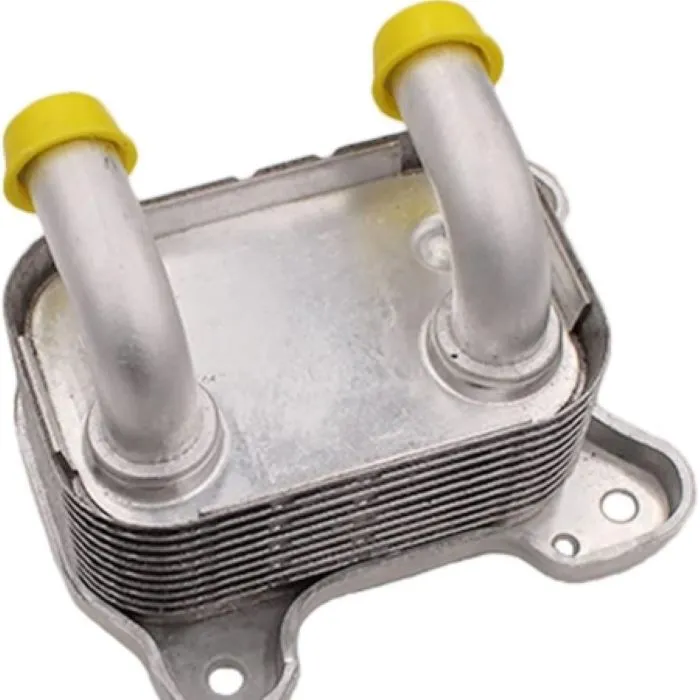

Our Oil Cooler 55355599 is a tube - type cooler that's suitable for larger marine engines. It can handle high pressures and has a high heat transfer efficiency. It's also built to last, with a durable construction that can withstand the harsh marine environment.
When it comes to choosing the right oil cooler for your marine engine, there are a few things you need to consider. First, you need to know the size and type of your engine. This will help you determine the right size and capacity of the oil cooler. You also need to consider the operating conditions of your boat, such as the temperature of the water and the load on the engine.
If you're not sure which oil cooler is right for you, don't worry. Our team of experts is always on hand to help. We can provide you with all the information you need and even offer installation advice. We understand that every boat is different, and we're committed to providing customized solutions to meet your specific needs.
In conclusion, using an engine oil cooler in a marine engine is a great idea. It can improve engine performance, reduce maintenance costs, and extend the life of your engine. However, it's important to choose the right oil cooler and have it installed correctly. At our company, we're dedicated to providing high - quality oil coolers and excellent customer service. If you're interested in purchasing an engine oil cooler for your marine engine, don't hesitate to get in touch with us. We'd love to help you find the perfect solution for your boat.
References
- Marine Engine Handbook, various authors
- Technical papers on engine cooling systems from industry conferences