

How can I prevent brake vacuum pump problems?
Hey there! As a brake vacuum pump supplier, I've seen my fair share of brake vacuum pump problems. It can be a real headache for vehicle owners and mechanics alike. But don't worry, I'm here to share some tips on how you can prevent these issues and keep your brake vacuum pump running smoothly.
Understanding the Brake Vacuum Pump
First things first, let's quickly go over what a brake vacuum pump does. In simple terms, it creates a vacuum that helps you apply the brakes more easily. When you press the brake pedal, the vacuum pump assists in amplifying the force you apply, making it much simpler to stop your vehicle. Without it, braking would be a lot more difficult and require a whole lot more muscle power.
Regular Maintenance is Key
One of the most important things you can do to prevent brake vacuum pump problems is regular maintenance. Just like any other part of your vehicle, the brake vacuum pump needs some TLC.
- Check the Oil Level: Many brake vacuum pumps are oil-lubricated. Make sure to check the oil level regularly and top it up if needed. Using the right type of oil is crucial, so always refer to your vehicle's manual. If the oil level is too low, it can cause excessive wear and tear on the pump's components, leading to premature failure.
- Inspect the Hoses and Connections: The hoses and connections that are part of the brake vacuum system can develop leaks over time. A leak in the system can reduce the vacuum pressure, making it harder to brake effectively. Check these hoses regularly for any signs of damage, such as cracks or loose fittings. If you find any issues, replace the hoses or tighten the connections as soon as possible.
Use Quality Parts
When it comes to replacing parts in your brake vacuum pump, always opt for high-quality components. Cheaper parts might seem like a good deal at first, but they often don't last as long and can lead to more problems down the road.
- Genuine Parts: Whenever possible, use genuine parts recommended by your vehicle's manufacturer. These parts are designed specifically for your vehicle and are more likely to fit properly and work well with the existing system. For example, our Vacuum Pump 14650-7T401 is a high-quality option that's designed to meet the strictest standards.
- Reputable Brands: If genuine parts aren't available or are too expensive, look for parts from reputable aftermarket brands. Do some research and read reviews to make sure you're getting a good product. Our Automotive Brake Vacuum Pump 11667586424 is a popular choice among our customers because of its reliability and performance.
Driving Habits Matter
Believe it or not, your driving habits can also have an impact on the lifespan of your brake vacuum pump.
- Avoid Aggressive Braking: Slamming on the brakes all the time puts a lot of stress on the brake vacuum pump and the entire braking system. Try to anticipate stops and slow down gradually instead of making sudden stops. This not only reduces the wear on the pump but also improves your fuel efficiency.
- Don't Overwork the Brakes: If you're driving in hilly areas or towing heavy loads, the brakes will be working harder than usual. In these situations, give your brakes a break whenever possible. For example, use engine braking on downhill slopes instead of relying solely on the brakes.
Keep an Eye on Warning Signs
Your vehicle will often give you some warning signs when there's a problem with the brake vacuum pump. Pay attention to these signs and take action as soon as possible.
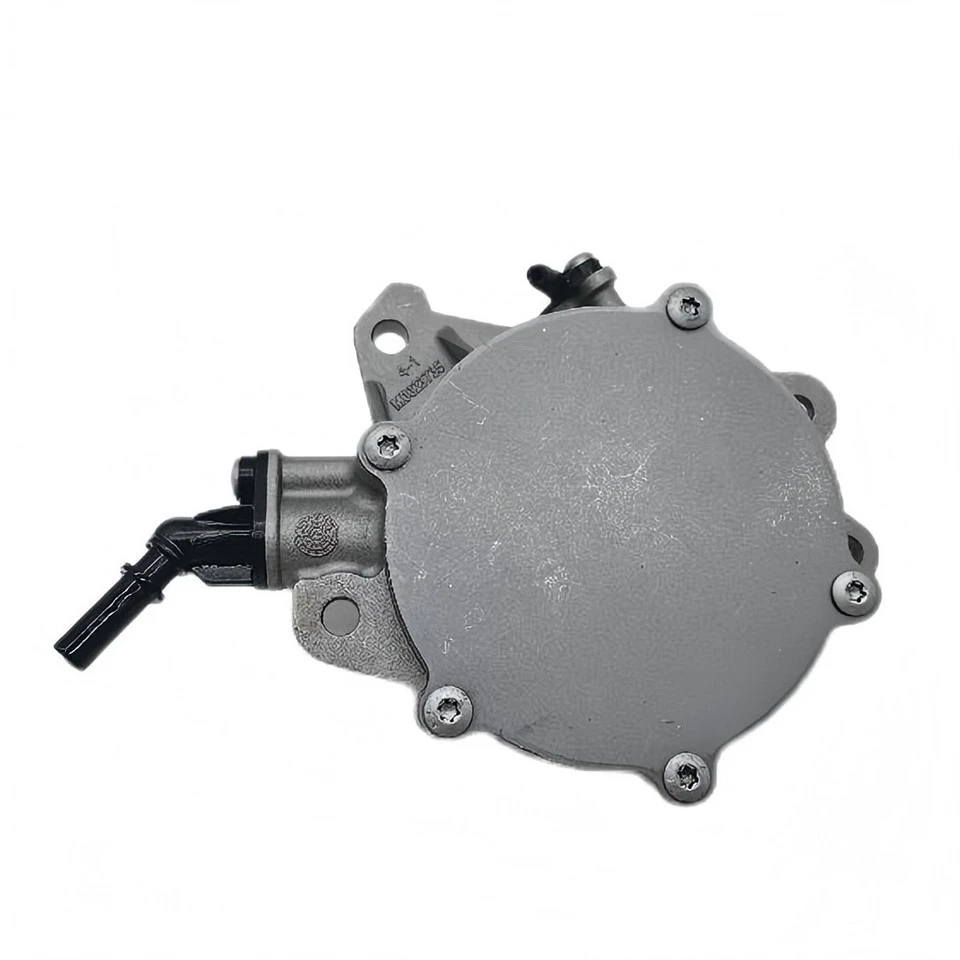

- Hard Brake Pedal: If you notice that the brake pedal is harder to press than usual, it could be a sign of a problem with the vacuum pump. This could be due to a leak in the system or a malfunctioning pump.
- Strange Noises: Unusual noises coming from the brake area, such as a whining or hissing sound, could also indicate a problem with the vacuum pump. Don't ignore these noises; have your vehicle checked by a professional as soon as you can.
Temperature and Environment
The temperature and environment in which you drive can also affect the performance of your brake vacuum pump.
- Extreme Temperatures: Both extreme heat and cold can have a negative impact on the brake vacuum pump. In hot weather, the oil in the pump can break down more quickly, while in cold weather, the pump may have trouble starting up. If you live in an area with extreme temperatures, take extra precautions. For example, in the summer, make sure the pump has enough oil and is well-ventilated, and in the winter, let your vehicle warm up for a few minutes before driving.
- Dusty or Dirty Environments: If you drive in dusty or dirty environments, the brake vacuum pump can get clogged with dirt and debris. This can reduce its efficiency and cause it to fail prematurely. Consider using a filter or shield to protect the pump from dust and dirt.
Our Brake Vacuum Pump UP28
At our company, we offer a wide range of high-quality brake vacuum pumps, including the Brake Vacuum Pump UP28. This pump is designed to provide reliable performance and long-lasting durability. It's made with high-quality materials and undergoes strict quality control tests to ensure that it meets the highest standards.
Contact Us for More Information
If you're experiencing problems with your brake vacuum pump or if you're looking for a high-quality replacement pump, don't hesitate to contact us. We have a team of experts who can help you find the right pump for your vehicle and provide you with all the information you need. Whether you're a mechanic looking to stock up on parts or a vehicle owner in need of a replacement, we're here to assist you.
References
- Automotive Service Excellence (ASE) Training Materials
- Vehicle Manufacturer's Service Manuals
- Industry Publications on Brake Systems