

How do brake pad sets affect fuel efficiency?
Hey there, fellow car enthusiasts! As a brake pad set supplier, I've been getting a lot of questions lately about how brake pad sets affect fuel efficiency. It's a topic that doesn't get enough attention, but it's super important, especially when you're looking to save some bucks at the pump. So, let's dive right in and explore this connection.
First off, let's understand the basics of how brakes work. When you press the brake pedal, the brake pads clamp down on the brake rotors, creating friction. This friction is what slows down your car. But here's the catch: this process isn't just about stopping your vehicle; it also has a direct impact on your fuel consumption.
One of the key factors is the material of the brake pads. Different brake pad materials have different levels of friction and wear characteristics. For instance, ceramic brake pads are known for their low dust production and smooth operation. They also tend to have a lower coefficient of friction compared to semi - metallic brake pads. This lower friction means that when the pads are in contact with the rotors, less energy is wasted in the form of heat. And since your engine doesn't have to work as hard to overcome this extra resistance, it can operate more efficiently, leading to better fuel economy.
On the other hand, semi - metallic brake pads are made with a mix of metals and other materials. They offer high levels of friction, which is great for high - performance braking. However, this high friction also means that more energy is converted into heat during braking. This extra energy loss can cause your engine to consume more fuel to maintain the same level of performance. So, if you're looking to boost your fuel efficiency, ceramic brake pads might be a better choice.
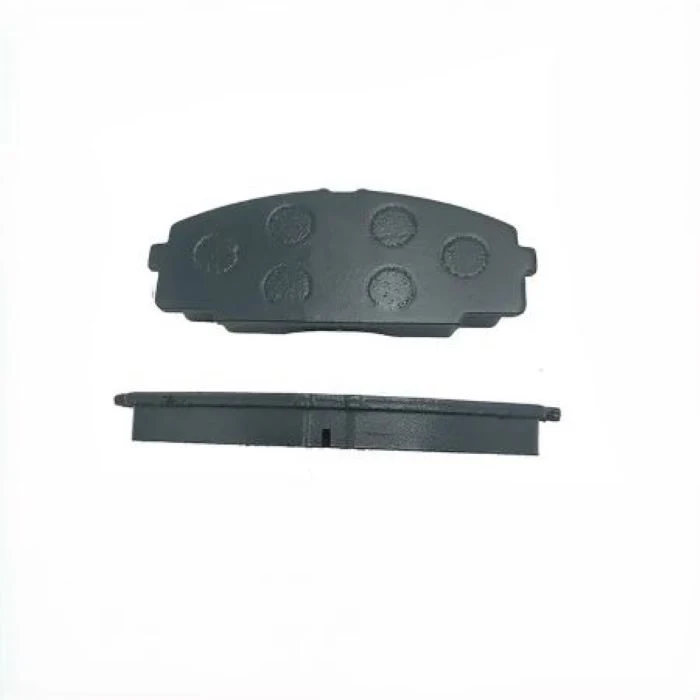
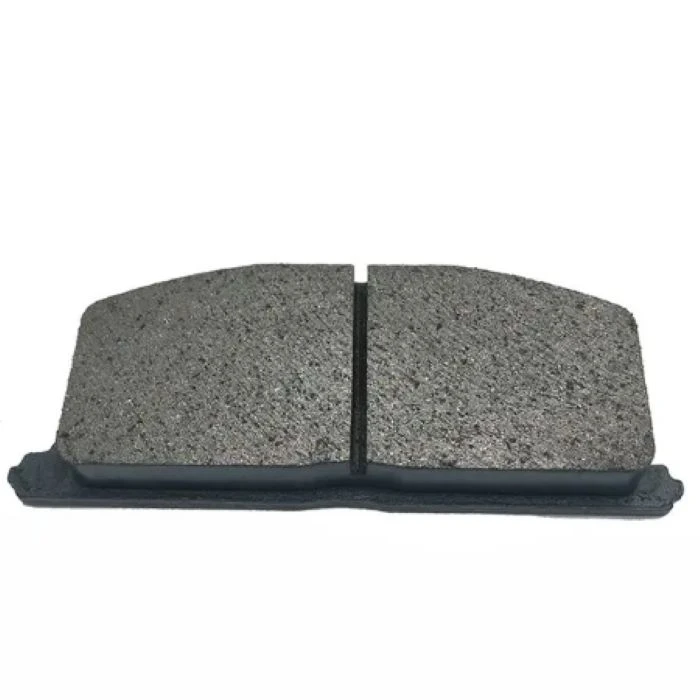
Another aspect to consider is the wear rate of the brake pads. Worn - out brake pads can cause uneven braking, which means that your car has to use more energy to stop smoothly. When the braking is uneven, your engine has to compensate for the irregularities, leading to increased fuel consumption. That's why it's crucial to regularly check your brake pads and replace them when they're worn down.
As a brake pad set supplier, I can recommend some great products that can help improve your fuel efficiency. For example, the Brake Pads 04465 - 12240 are made with high - quality ceramic materials. They offer a perfect balance between braking performance and energy efficiency. These pads have a smooth braking action, which reduces the energy loss during braking and helps your engine run more efficiently.
Similarly, the Brake Pads 41060 - EB326 are also a top - notch option. They are designed to provide consistent braking performance while minimizing the energy wasted as heat. With these brake pads, you can expect to see a noticeable improvement in your fuel efficiency over time.
Proper installation of brake pads is also essential for fuel efficiency. If the brake pads are not installed correctly, they may not make proper contact with the rotors. This can lead to increased friction and energy loss, which will ultimately affect your fuel economy. That's why it's always a good idea to have your brake pads installed by a professional mechanic.
Now, let's talk about how driving habits play a role in all of this. Aggressive driving, such as sudden braking and accelerating, can have a significant impact on your fuel efficiency. When you brake hard, you're using a lot of energy to stop the car, and then you have to use more fuel to get the car moving again. By using high - quality brake pads and adopting a more gentle driving style, you can reduce the amount of energy wasted during braking and improve your overall fuel efficiency.
In addition to the material and wear rate, the design of the brake pads can also affect fuel efficiency. Some brake pads are designed with special grooves and chamfers. These features help to dissipate heat more effectively, which reduces the amount of energy lost as heat during braking. They also help to keep the braking surface clean, which ensures consistent braking performance and better fuel economy.
As a brake pad set supplier, I'm always looking for ways to improve the products we offer. We're constantly researching and developing new materials and designs to make our brake pads more energy - efficient. Our goal is to provide our customers with brake pads that not only offer great braking performance but also help them save money on fuel.
If you're interested in learning more about how our brake pad sets can improve your fuel efficiency or if you're looking to make a purchase, don't hesitate to reach out. We're here to answer all your questions and help you find the perfect brake pads for your vehicle. Whether you're a daily commuter looking to save on gas or a performance enthusiast who wants the best braking performance without sacrificing fuel economy, we've got you covered.
In conclusion, brake pad sets have a significant impact on fuel efficiency. By choosing the right brake pad material, ensuring proper installation, and maintaining good driving habits, you can make a big difference in your car's fuel consumption. So, take a look at our Brake Pads 04465 - 12240 and Brake Pads 41060 - EB326 and see how they can benefit your vehicle.
References
- "Automotive Brake Systems: Fundamentals, Diagnosis, and Service" by James D. Halderman
- "The Handbook of Automotive Fuels Technology" by Robert J. H. Clark