

How do I check if the cabin filter is installed correctly?
As a cabin filter supplier, I understand the importance of ensuring that cabin filters are installed correctly. A properly installed cabin filter not only enhances the air quality inside your vehicle but also contributes to the overall performance and longevity of your car's ventilation system. In this blog post, I'll share some tips on how to check if the cabin filter is installed correctly.
Understanding the Basics of Cabin Filters
Before we dive into the installation check, let's briefly understand what a cabin filter does. A cabin filter is a crucial component of your vehicle's ventilation system. It traps dust, pollen, pollutants, and other airborne particles, preventing them from entering the cabin. This helps in maintaining a clean and healthy environment inside the car, especially for those with allergies or respiratory issues.
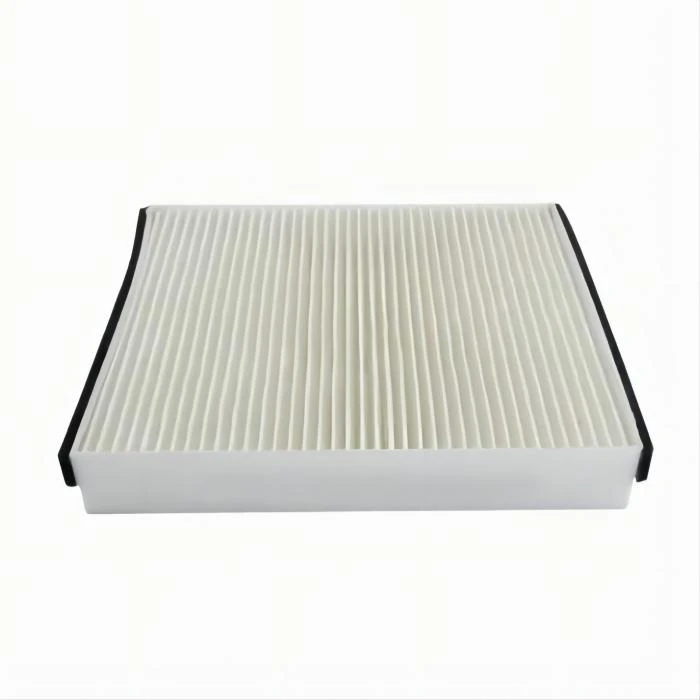
We offer a wide range of cabin filters, including Cabin Filter 1K1819653B, Cabin Filter 1354952, and Cabin Filter 2048300018, each designed to meet specific vehicle requirements.
Step 1: Locate the Cabin Filter
The first step in checking the installation is to find the cabin filter in your vehicle. The location can vary depending on the make and model of your car. In most vehicles, the cabin filter is located behind the glove box, under the dashboard on the passenger side, or in the engine compartment near the windshield. Refer to your vehicle's owner's manual for the exact location.
Step 2: Inspect the Filter Housing
Once you've located the cabin filter, carefully remove the filter housing cover. Check for any signs of damage, such as cracks or broken clips. A damaged housing can affect the proper installation and performance of the filter. If you notice any damage, it's advisable to replace the housing before proceeding.
Step 3: Check the Filter Orientation
Cabin filters are designed to be installed in a specific orientation. Look for arrows or markings on the filter indicating the direction of airflow. The arrow should point in the same direction as the airflow in the ventilation system. If the filter is installed backward, it won't be able to effectively trap particles, and the air quality inside the cabin may deteriorate.

Step 4: Ensure a Secure Fit
The cabin filter should fit snugly in the housing. Check for any gaps or spaces around the edges of the filter. If the filter is loose, it can allow unfiltered air to bypass the filter and enter the cabin. Make sure the filter is properly seated and that all clips or fasteners are securely in place.
Step 5: Examine the Sealing
A good seal between the filter and the housing is essential for optimal performance. Check the rubber gasket or seal around the filter. It should be intact and free from any tears or damage. A damaged seal can lead to air leaks, reducing the effectiveness of the filter.
Step 6: Reassemble the Housing
After you've confirmed that the filter is installed correctly, carefully reassemble the filter housing cover. Make sure all clips or fasteners are tightened properly to prevent any air leaks.
Step 7: Test the Ventilation System
Once the housing is reassembled, turn on your vehicle's ventilation system. Set the fan to a high speed and check for any unusual noises or vibrations. If you notice any issues, it could indicate a problem with the filter installation. Also, pay attention to the air quality inside the cabin. If the air still smells musty or contains a lot of dust, the filter may not be installed correctly.
Common Installation Mistakes to Avoid
- Incorrect Orientation: As mentioned earlier, installing the filter backward is a common mistake. Always pay attention to the arrows or markings on the filter.
- Poor Sealing: A loose or damaged seal can significantly reduce the filter's effectiveness. Make sure the seal is in good condition and properly seated.
- Using the Wrong Filter: Using a filter that is not compatible with your vehicle can lead to a poor fit and reduced performance. Always refer to your vehicle's owner's manual or consult with a professional to ensure you're using the correct filter.
Benefits of a Correctly Installed Cabin Filter
- Improved Air Quality: A properly installed cabin filter can effectively trap dust, pollen, and other pollutants, providing cleaner air inside the cabin.
- Enhanced Comfort: Cleaner air means a more comfortable driving experience, especially for those with allergies or respiratory issues.
- Extended System Life: By preventing particles from entering the ventilation system, a cabin filter can help extend the life of your car's blower motor and other components.
Conclusion
Checking if the cabin filter is installed correctly is a simple yet important task that can have a significant impact on your vehicle's air quality and performance. By following the steps outlined in this blog post, you can ensure that your cabin filter is installed properly and functioning at its best.
If you're in the market for high-quality cabin filters, we're here to help. Our Cabin Filter 1K1819653B, Cabin Filter 1354952, and Cabin Filter 2048300018 are designed to meet the highest standards of quality and performance. If you have any questions or would like to discuss your cabin filter needs, please feel free to reach out. We look forward to serving you and helping you maintain a clean and healthy environment inside your vehicle.
References
- Vehicle Owner's Manuals
- Automotive Industry Standards and Guidelines