

How do I check the thickness of my brake pad set?
Hey there! As a brake pad set supplier, I often get asked by customers how to check the thickness of their brake pad sets. It's a crucial thing to know, as the thickness of your brake pads directly impacts your vehicle's safety and performance. So, let's dive right into it and I'll walk you through the whole process.
First off, why is it so important to check your brake pad thickness? Well, brake pads are like the unsung heroes of your car's braking system. They create the friction needed to slow down and stop your vehicle. Over time, though, this friction causes the brake pads to wear down. If they get too thin, they won't be able to do their job effectively, which can lead to longer stopping distances, reduced braking power, and even damage to other parts of the braking system.
Now, let's talk about the tools you'll need. You don't need a whole bunch of fancy stuff. Just a jack, jack stands, a lug wrench, and a ruler or caliper. The jack is used to lift your car off the ground, the jack stands are for safety to hold the car up while you're working, the lug wrench is to remove the wheels, and the ruler or caliper is for measuring the brake pad thickness.
Here's how you can start the process. First, make sure your car is parked on a flat, stable surface. Engage the parking brake and put the transmission in park (or first gear if you have a manual). Then, use the lug wrench to loosen the lug nuts on the wheel you're going to work on. Don't remove them completely just yet.
Next, use the jack to lift the car. Place the jack in the appropriate jacking point, which is usually indicated in your car's owner's manual. Once the car is high enough, carefully place the jack stands under the car at the recommended support points. Make sure the jack stands are secure before you lower the car onto them. Now you can completely remove the lug nuts and take off the wheel.
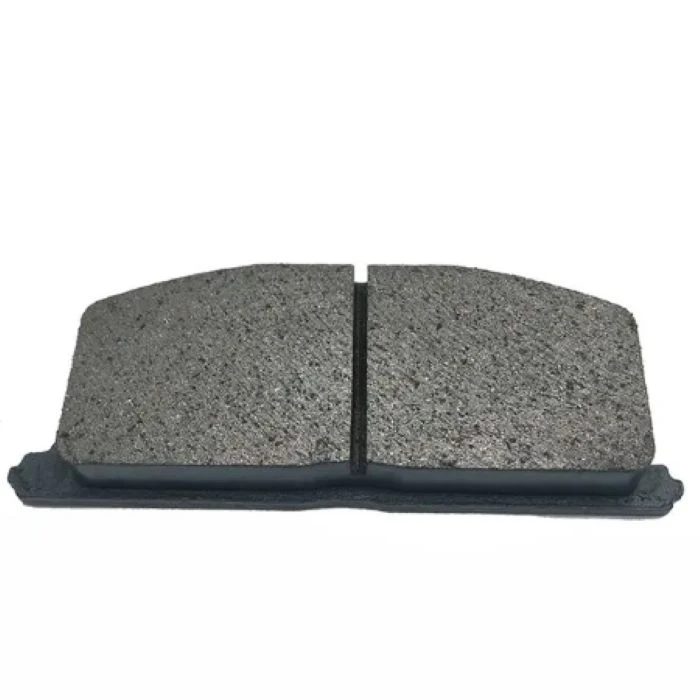
With the wheel off, you'll be able to see the brake caliper and the brake pads. The brake pads are the flat, rectangular pieces that sit inside the caliper. There are usually two brake pads per wheel - an inner pad and an outer pad. You'll need to check both.
To measure the thickness of the brake pads, you can use a ruler or a caliper. If you're using a ruler, just place it against the brake pad and measure the thickness from the top of the pad to the backing plate. If you're using a caliper, it'll give you a more precise measurement. Just open the caliper jaws and place them around the brake pad to get the thickness.
So, what's the ideal thickness for brake pads? Well, it can vary depending on the make and model of your vehicle. But as a general rule of thumb, most brake pads start out at around 12 - 15 millimeters thick. When the thickness gets down to about 3 - 4 millimeters, it's time to start thinking about replacing them. If they're less than 2 millimeters thick, you should replace them right away.
Now, I know this might seem like a bit of a hassle, especially if you're not really into DIY car maintenance. That's where we come in. We're a brake pad set supplier, and we offer a wide range of high - quality brake pads for different makes and models of cars. For example, we have Brake Pads 41060 - EB326 and Brake Pads 04465 - 12240. These brake pads are made from top - notch materials that ensure long - lasting performance and reliable braking.
Our brake pads are designed to meet or exceed the original equipment manufacturer (OEM) specifications. This means they'll fit your car perfectly and work just as well, if not better, than the pads that came with your vehicle. We also offer a warranty on our products, so you can have peace of mind knowing that you're getting a quality product.
If you're not comfortable checking the brake pad thickness yourself, you can always take your car to a professional mechanic. They have the tools and expertise to do a thorough inspection. However, it's still a good idea to know what to look for and what the ideal thickness is.
Another thing to keep in mind is that brake pad wear can vary depending on your driving habits. If you're a heavy - footed driver who brakes hard and often, your brake pads will wear out faster. On the other hand, if you drive more gently and anticipate stops, your brake pads will last longer.
In addition to checking the thickness, you should also look for other signs of brake pad wear. For example, if you hear a squealing or grinding noise when you brake, that could be a sign that your brake pads are worn down. You might also notice a pulsation or vibration in the brake pedal, which could indicate uneven wear or other problems with the braking system.
Once you've checked the brake pad thickness and determined that it's time to replace them, you can come to us. We'll help you find the right brake pads for your car. Our team of experts is always ready to answer your questions and provide you with the best advice.

We understand that safety is your top priority when it comes to your vehicle. That's why we're committed to providing you with the highest - quality brake pads at competitive prices. Whether you're a professional mechanic or a DIY enthusiast, we have the products and support you need.
So, if you're in the market for new brake pads or just want to learn more about brake pad maintenance, don't hesitate to reach out. We're here to make the process as easy and stress - free as possible. Contact us for more information and let's start a conversation about your brake pad needs.
References
- General automotive knowledge and experience in the brake pad industry.
- Information from various automotive repair manuals and resources.