

How do you test the pressure of an engine water pump?
Hey there! As an engine water pump supplier, I often get asked about how to test the pressure of an engine water pump. It's a crucial part of ensuring that your engine runs smoothly and efficiently. In this blog, I'll walk you through the process step by step.
First off, why is testing the water pump pressure important? Well, the water pump is responsible for circulating coolant throughout the engine. If the pressure is too low, the coolant might not flow properly, leading to overheating. On the other hand, if the pressure is too high, it could cause damage to the hoses, gaskets, or even the pump itself. So, getting the right pressure is key to keeping your engine in good shape.
Tools You'll Need
Before you start testing, you'll need a few tools. You'll need a pressure gauge that's compatible with your engine water pump. Make sure it has the right range to measure the pressure accurately. You'll also need some wrenches to remove and attach parts, and a container to catch any coolant that might spill. Oh, and don't forget some safety gear like gloves and goggles to protect yourself from the coolant.
Step 1: Prepare the Engine
The first step is to make sure the engine is cool. You don't want to be working on a hot engine as it can be dangerous and you might get burned. So, let the engine cool down completely before you start. Once it's cool, locate the water pump. It's usually near the front of the engine and is connected to the radiator by hoses.
Step 2: Attach the Pressure Gauge
Now, you need to attach the pressure gauge to the water pump. You'll need to find the pressure port on the water pump. This is where you'll connect the gauge. Use the wrenches to remove the plug from the pressure port and then attach the gauge securely. Make sure there are no leaks around the connection.
Step 3: Start the Engine
Once the gauge is attached, it's time to start the engine. Let it idle for a few minutes to allow the coolant to start circulating. As the engine runs, you'll see the pressure on the gauge start to rise. Keep an eye on the gauge and make sure the pressure is within the recommended range for your engine. You can find this information in your engine's manual.

Step 4: Check the Pressure
Now, check the pressure reading on the gauge. If the pressure is too low, it could mean that there's a problem with the water pump, such as a clogged impeller or a leak. If the pressure is too high, it could be due to a blockage in the cooling system or a faulty pressure relief valve.
Step 5: Troubleshoot and Fix
If you find that the pressure is not within the recommended range, you'll need to troubleshoot and fix the problem. If the pressure is too low, you might need to clean or replace the water pump impeller. You should also check for any leaks in the hoses or connections. If the pressure is too high, you'll need to check for blockages in the radiator or the cooling system. You might also need to replace the pressure relief valve.
Different Types of Engine Water Pumps
There are different types of engine water pumps, and the testing process might vary slightly depending on the type. For example, some water pumps are belt-driven, while others are electric. Belt-driven pumps are more common in older engines, while electric pumps are often used in newer, more efficient engines.
If you're dealing with a belt-driven pump, you'll need to make sure the belt is in good condition. A loose or worn-out belt can cause the water pump to work inefficiently, leading to low pressure. You should also check the tension of the belt and adjust it if necessary.
On the other hand, if you have an electric water pump, you'll need to check the electrical connections. Make sure the pump is getting power and that there are no loose wires or faulty connections. You might also need to test the pump's motor to make sure it's working properly.
Our Engine Water Pump Products
At our company, we offer a wide range of engine water pumps to suit different needs. For example, we have the Windshield Washer Pump A2253729000. This pump is designed to provide reliable performance and is built to last. It's compatible with many different types of engines and is a popular choice among our customers.
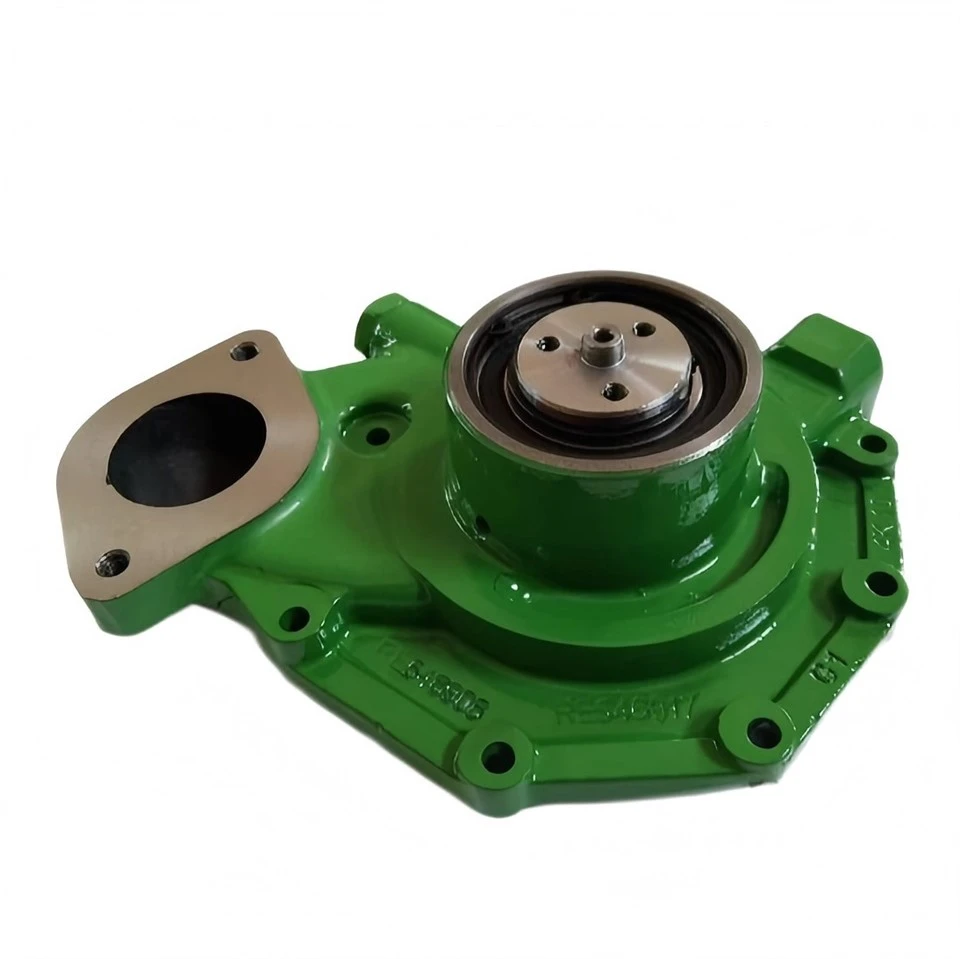
We also have the Water Pump RE546906. This pump is known for its high efficiency and durability. It's designed to handle the demands of heavy-duty engines and is a great option for those who need a reliable water pump.
Another great product we offer is the Water Pump MM409302. This pump is designed with the latest technology and is built to provide optimal performance. It's a great choice for those who want a high-quality water pump for their engine.
Conclusion
Testing the pressure of an engine water pump is an important part of maintaining your engine. By following the steps I've outlined in this blog, you can ensure that your water pump is working properly and that your engine stays cool and running smoothly.
If you're in the market for a new engine water pump or have any questions about testing or maintaining your water pump, don't hesitate to reach out. We're here to help you find the right product for your needs and provide you with the support you need. Whether you're a DIY enthusiast or a professional mechanic, we've got the products and expertise to help you keep your engine in top shape. So, feel free to contact us to start a procurement discussion and find the perfect engine water pump for your vehicle.
References
- Automotive Repair Manuals
- Engine Manufacturer's Specifications
- Online Resources for Engine Cooling Systems