

How does a fuel injector control the air - fuel mixture?
Hey there! As a fuel injector supplier, I've been getting a lot of questions lately about how these little gadgets control the air - fuel mixture. So, I thought I'd take a few minutes to break it down for you.
First off, let's talk about why the air - fuel mixture is so important. Your engine needs the right amount of air and fuel to run efficiently. If there's too much fuel and not enough air, you've got a rich mixture. This can lead to problems like poor fuel economy, increased emissions, and even engine damage over time. On the other hand, if there's too much air and not enough fuel, you've got a lean mixture. A lean mixture can cause the engine to run hot, misfire, and also reduce performance.
So, how does a fuel injector fit into all of this? Well, a fuel injector is like the gatekeeper of the fuel going into your engine. It's responsible for precisely metering and spraying the right amount of fuel into the combustion chamber at the right time.
Let's start with the basic components of a fuel injector. Most fuel injectors have an electromagnetic coil, a plunger, and a nozzle. When the engine control unit (ECU) sends an electrical signal to the injector, the electromagnetic coil gets energized. This creates a magnetic field that pulls the plunger up, opening the nozzle. Once the nozzle is open, fuel under high pressure is forced through it and into the combustion chamber.
The amount of fuel that gets injected depends on two main factors: the duration of the electrical signal from the ECU and the pressure of the fuel. The ECU is like the brain of your engine. It constantly monitors a bunch of sensors, such as the oxygen sensor, mass airflow sensor, throttle position sensor, and engine temperature sensor. Based on the data it receives from these sensors, the ECU calculates the ideal air - fuel ratio for the current operating conditions and then sends the appropriate electrical signal to the fuel injector.
For example, when you're idling, the engine doesn't need a lot of power, so the ECU will send a short electrical signal to the injector, which means less fuel is injected. But when you step on the gas pedal hard, the engine needs more power. The ECU will then send a longer electrical signal to the injector, allowing more fuel to be sprayed into the combustion chamber.
The fuel pressure also plays a crucial role. A fuel pump is responsible for supplying the fuel to the injector at a specific pressure. If the fuel pressure is too low, the injector won't be able to spray the fuel effectively, resulting in a lean mixture. If the fuel pressure is too high, it can lead to a rich mixture.
Now, let's talk about different types of fuel injection systems. There are two main types: port fuel injection and direct fuel injection.
In a port fuel injection system, the fuel injector sprays the fuel into the intake port just before the intake valve. The fuel then mixes with the incoming air in the intake port before entering the combustion chamber. This type of system is relatively simple and has been around for a long time. It's reliable and can provide good fuel economy and performance.
On the other hand, direct fuel injection systems are more advanced. In a direct injection system, the fuel injector sprays the fuel directly into the combustion chamber. This allows for more precise control of the air - fuel mixture because the fuel is injected at a higher pressure and can be timed more accurately. Direct injection systems can improve fuel efficiency, increase power output, and reduce emissions.
As a fuel injector supplier, we offer a wide range of high - quality fuel injectors for different applications. For example, we have the Fuel Injection Nozzle For ZOOMER 2017, which is specifically designed for the ZOOMER 2017 model. This injector is engineered to provide precise fuel metering and excellent atomization, ensuring optimal performance and fuel economy for your vehicle.

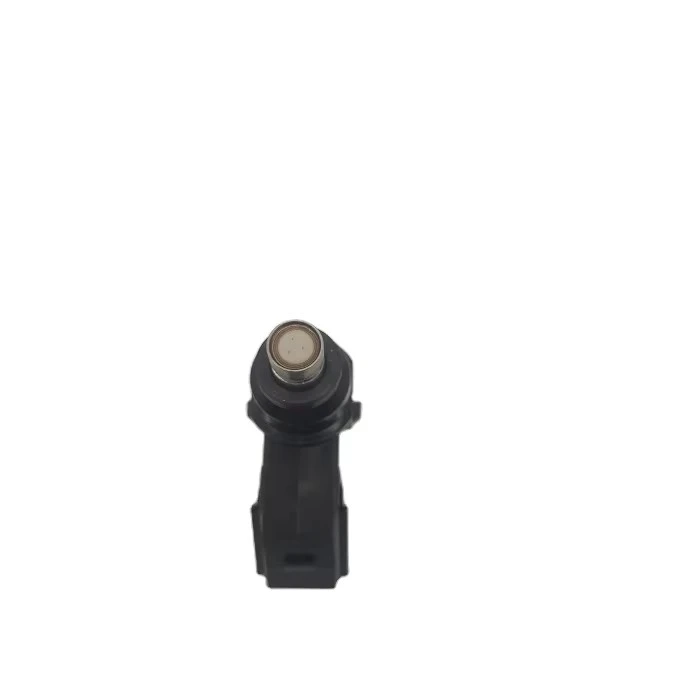
Another popular product is the Fuel Injector Nozzle 23250 - 28030. It's a reliable and durable injector that can be used in a variety of engines. Whether you're looking for a replacement injector or an upgrade, this product is a great choice.
We also have the Fuel Injector IWP189. This injector is known for its high - performance capabilities and long - lasting quality. It's designed to work in demanding conditions and can provide consistent fuel delivery for your engine.
If you're in the market for fuel injectors, whether you're a mechanic, a car enthusiast, or a fleet manager, we're here to help. We understand the importance of having a reliable fuel injection system, and we're committed to providing you with the best products and services. Our team of experts can assist you in choosing the right fuel injector for your specific needs.
We offer competitive prices, fast shipping, and excellent customer support. If you have any questions about our products or need help with installation or troubleshooting, don't hesitate to reach out. We're always happy to have a chat and help you find the perfect solution for your fuel injection needs. Whether you're looking to improve the performance of your vehicle, increase fuel economy, or simply replace a worn - out injector, we've got you covered.
In conclusion, fuel injectors are a critical component of your engine's fuel system. They play a vital role in controlling the air - fuel mixture, which is essential for the proper operation of your engine. By understanding how fuel injectors work, you can make more informed decisions when it comes to maintaining and upgrading your vehicle's fuel system.
If you're interested in purchasing our fuel injectors or have any questions about our products, feel free to get in touch. We're looking forward to hearing from you and helping you keep your engine running smoothly.
References:
- Automotive Engineering textbooks
- Technical manuals from major automotive manufacturers
- Industry research papers on fuel injection technology