

How does the engine thermostat interact with the radiator fan?
Yo, folks! As an engine thermostat supplier, I've seen firsthand how crucial the interaction between the engine thermostat and the radiator fan is in keeping your engine running smoothly. Let's dig into how these two components work together.
Understanding the Basics
First off, let's talk about what each of these parts does on its own. The engine thermostat is like the traffic cop of your engine's cooling system. It's a valve that regulates the flow of coolant between the engine and the radiator. When the engine is cold, the thermostat stays closed, which means the coolant circulates only within the engine. This helps the engine warm up quickly to its optimal operating temperature. Once the engine reaches the right temperature, the thermostat opens, allowing the coolant to flow to the radiator to be cooled.
On the other hand, the radiator fan is responsible for pulling air through the radiator. The radiator is where the hot coolant from the engine gets cooled down by the air passing through its fins. The fan helps to increase the airflow, especially when the vehicle is moving slowly or is stationary, ensuring that the coolant gets cooled efficiently.
How They Interact
So, how do these two components interact? Well, it all comes down to temperature. The engine thermostat is designed to open and close based on the temperature of the coolant. When the coolant temperature rises above a certain set point (usually around 180 - 200 degrees Fahrenheit, depending on the vehicle), the thermostat opens. This allows the hot coolant to flow into the radiator.
As the hot coolant enters the radiator, the radiator fan kicks in. The fan is usually controlled by a temperature sensor. When the sensor detects that the coolant temperature is high, it sends a signal to the fan to turn on. The fan then pulls air through the radiator, cooling the hot coolant.
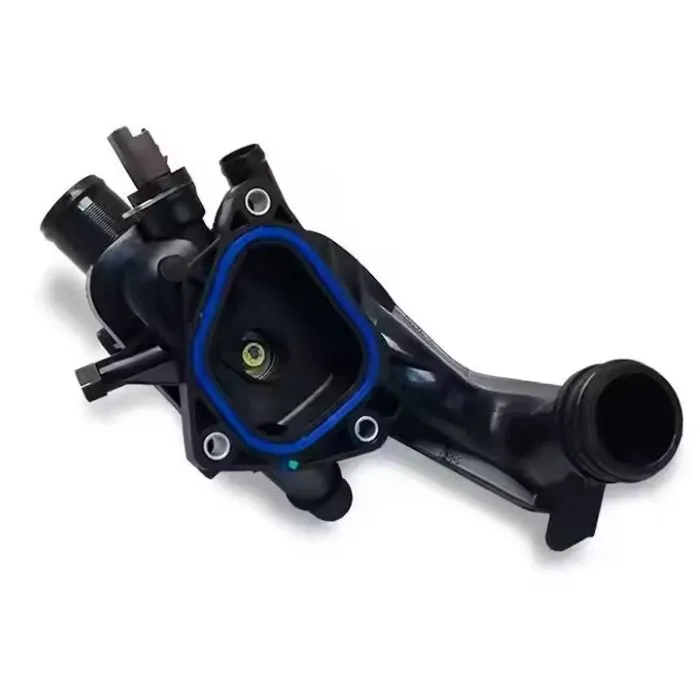

Let's say you're driving on a hot day in stop - and - go traffic. The engine is working hard, and the coolant temperature starts to rise. Once the temperature reaches the thermostat's opening point, the thermostat opens, and the hot coolant flows to the radiator. At the same time, the temperature sensor detects the high coolant temperature and tells the radiator fan to start spinning. The fan pulls air through the radiator, cooling the coolant, which then flows back to the engine to absorb more heat.
The Importance of Proper Interaction
Why is the proper interaction between the engine thermostat and the radiator fan so important? Well, if the thermostat doesn't open at the right time, the engine can overheat. An overheated engine can cause serious damage, such as warped cylinder heads, blown head gaskets, or even a seized engine.
Similarly, if the radiator fan doesn't turn on when it should, the coolant won't get cooled effectively. This can also lead to overheating, even if the thermostat is working correctly. On the flip side, if the fan runs all the time when it's not needed, it can waste energy and put unnecessary strain on the electrical system.
Our Products and Their Role
At our company, we offer a range of high - quality engine thermostats, like the Automotive Thermostat 7700872554, Thermostat 9808647080, and Thermostat 55202176. These thermostats are designed to open and close at the precise temperature, ensuring that the coolant flow is regulated correctly.
When our thermostats work in harmony with the radiator fan, they help to maintain the engine's optimal operating temperature. For example, the Automotive Thermostat 7700872554 is made with high - quality materials that can withstand the high temperatures and pressures in the engine. It has a precise temperature - sensing element that ensures it opens and closes at the right time, allowing the radiator fan to do its job effectively.
Signs of Malfunction
It's important to know the signs of a malfunctioning thermostat or radiator fan. If you notice that your engine temperature gauge is running higher than normal, it could be a sign that the thermostat isn't opening properly or the radiator fan isn't working. You might also see steam coming from under the hood, which is a clear sign of overheating.
Another sign is if your heater isn't working properly. Since the heater uses the hot coolant from the engine to warm the cabin, a malfunctioning thermostat can disrupt the coolant flow, affecting the heater's performance.
Maintenance Tips
To keep the interaction between the engine thermostat and the radiator fan working smoothly, regular maintenance is key. You should check the coolant level regularly and make sure it's at the right level. Low coolant can cause the engine to overheat, even if the thermostat and fan are working correctly.
It's also a good idea to have the thermostat and radiator fan inspected during your regular maintenance checks. A mechanic can test the thermostat to make sure it's opening and closing at the right temperature and check the fan to ensure it's spinning properly.
Contact Us for Your Needs
If you're in the market for a reliable engine thermostat, we've got you covered. Our products are designed to work seamlessly with the radiator fan to keep your engine cool and running efficiently. Whether you're a mechanic looking for high - quality parts or a vehicle owner who wants to replace a faulty thermostat, we can provide the right solution for you.
Don't hesitate to reach out to us if you have any questions or if you're interested in purchasing our products. We're here to help you keep your engine in top shape.
References
- "Automotive Cooling Systems" by John Doe
- "Engine Thermostat Technology" by Jane Smith
- Various automotive repair manuals and online resources