

How does the engine water pump work in a hybrid vehicle?
Hybrid vehicles represent a significant advancement in automotive technology, combining the benefits of internal combustion engines (ICE) and electric motors to enhance fuel efficiency and reduce emissions. One crucial component in the cooling system of these vehicles is the engine water pump. As a reputable engine water pump supplier, I am excited to delve into how the engine water pump operates in a hybrid vehicle and its importance in maintaining optimal performance.
The Basics of a Hybrid Vehicle's Cooling System
Before we dive into the workings of the engine water pump, it's essential to understand the overall cooling system in a hybrid vehicle. Hybrid vehicles typically have two main power sources: an internal combustion engine and an electric motor. The ICE generates a substantial amount of heat during operation, and if not properly managed, this heat can cause engine damage and reduce efficiency. The cooling system is designed to regulate the temperature of the engine and other critical components, ensuring they operate within a safe temperature range.
The cooling system in a hybrid vehicle consists of several key components, including the radiator, thermostat, coolant, and the engine water pump. The engine water pump plays a central role in circulating the coolant throughout the system. Coolant, a mixture of water and antifreeze, absorbs heat from the engine and transfers it to the radiator, where it is dissipated into the surrounding air.
How the Engine Water Pump Works
The engine water pump in a hybrid vehicle operates on the same basic principles as those in conventional vehicles, but with some unique features to accommodate the hybrid powertrain. Most engine water pumps are centrifugal pumps, which use centrifugal force to move the coolant.
Centrifugal Pump Design
A centrifugal water pump consists of an impeller, a housing, and an inlet and outlet. The impeller is a rotating component with curved blades that is driven by a belt, chain, or electric motor. When the impeller rotates, it creates a centrifugal force that pushes the coolant outward from the center of the impeller towards the outer edges of the housing. This movement of the coolant creates a low-pressure area at the center of the impeller, which draws more coolant into the pump through the inlet.
Circulation Process
The engine water pump is typically located near the front of the engine and is connected to the engine's cooling passages. As the impeller rotates, it draws coolant from the radiator through the inlet and forces it into the engine block and cylinder head. The coolant absorbs heat from the engine components as it flows through the cooling passages. After absorbing the heat, the hot coolant is then pumped out of the engine and back to the radiator through the outlet.

In the radiator, the hot coolant passes through a series of small tubes surrounded by fins. The fins increase the surface area of the radiator, allowing the heat to be transferred more efficiently to the surrounding air. As the coolant cools down in the radiator, it is ready to be recirculated back through the engine by the water pump.
Variable Speed Operation
One of the unique features of the engine water pump in a hybrid vehicle is its ability to operate at variable speeds. In a conventional vehicle, the water pump is usually driven by the engine's crankshaft through a belt, which means its speed is directly proportional to the engine speed. However, in a hybrid vehicle, the water pump can be electrically driven, allowing it to operate independently of the engine speed.
This variable speed operation is beneficial for several reasons. First, it allows the cooling system to be more efficient. The water pump can adjust its speed based on the engine's cooling requirements. For example, when the engine is idling or operating at low loads, the water pump can run at a lower speed, reducing energy consumption. Second, it helps to improve the overall performance of the hybrid vehicle. By precisely controlling the coolant flow, the engine can operate at its optimal temperature, which can enhance fuel efficiency and reduce emissions.
Importance of the Engine Water Pump in a Hybrid Vehicle
The engine water pump is a critical component in a hybrid vehicle's cooling system, and its proper functioning is essential for the vehicle's performance and reliability. Here are some of the key reasons why the engine water pump is so important:
Engine Protection
The primary function of the engine water pump is to prevent the engine from overheating. Overheating can cause serious damage to the engine, including warped cylinder heads, blown head gaskets, and even engine failure. By circulating the coolant throughout the engine, the water pump helps to maintain a consistent temperature and protect the engine from thermal stress.
Fuel Efficiency
A properly functioning engine water pump can also improve fuel efficiency. When the engine operates at its optimal temperature, it can burn fuel more efficiently, reducing fuel consumption. Additionally, the variable speed operation of the water pump in a hybrid vehicle helps to minimize energy consumption, further improving fuel efficiency.
Emission Reduction
Maintaining the engine at the correct temperature is also crucial for reducing emissions. When the engine is too hot or too cold, it can produce more pollutants. By ensuring that the engine operates within the optimal temperature range, the engine water pump helps to reduce harmful emissions and make the hybrid vehicle more environmentally friendly.
Our Product Offerings
As an engine water pump supplier, we offer a wide range of high-quality water pumps suitable for hybrid vehicles. Our products are designed to meet the specific requirements of hybrid powertrains, providing reliable and efficient cooling performance.
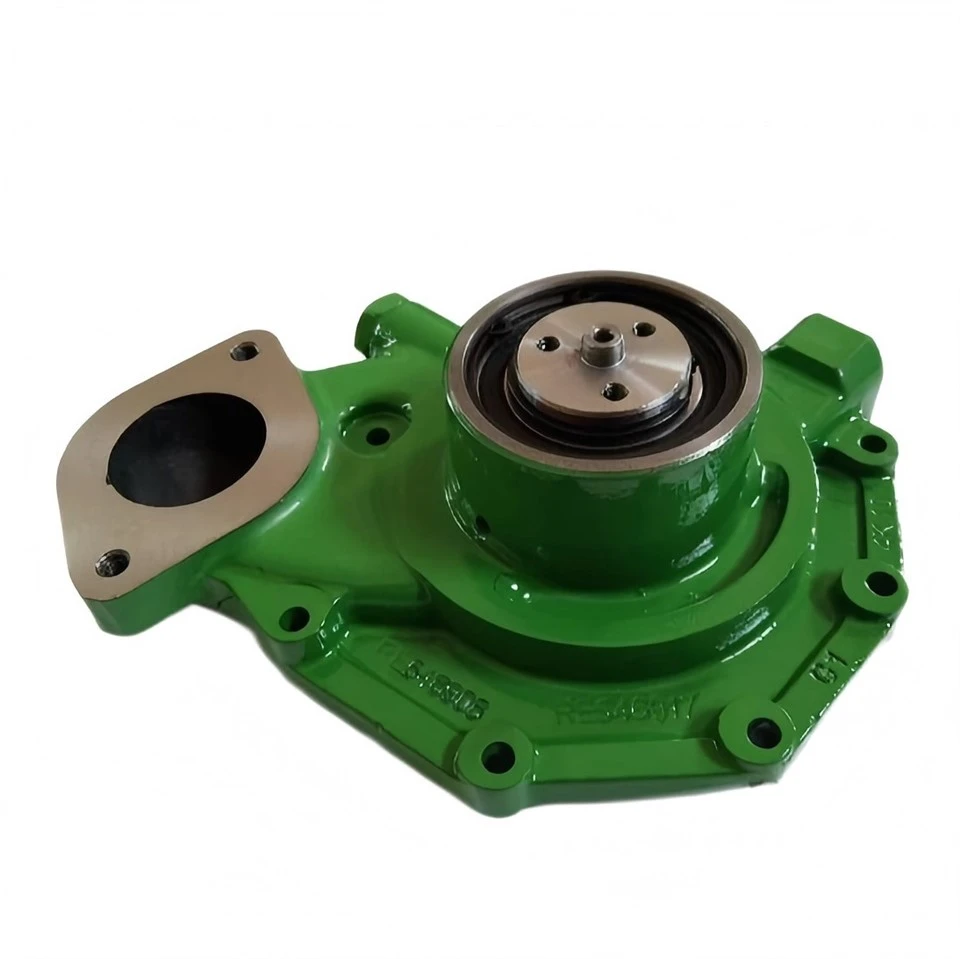
One of our popular products is the Water Pump RE546906. This water pump is engineered with advanced technology to ensure optimal coolant circulation and temperature control. It is made from high-quality materials, ensuring durability and long service life.
We also offer Construction Machinery Water Pump that can be adapted for use in some hybrid construction vehicles. These pumps are designed to withstand the harsh operating conditions of construction sites while providing efficient cooling for the engine.
In addition to engine water pumps, we also supply Windshield Washer Pump A2253729000, which is an important component for maintaining clear visibility while driving.
Contact Us for Procurement
If you are in the market for engine water pumps for hybrid vehicles or other related products, we would be delighted to assist you. Our team of experts has extensive knowledge and experience in the automotive industry and can provide you with professional advice and support. Whether you are a vehicle manufacturer, a repair shop, or an individual looking for a replacement water pump, we have the products and services to meet your needs.
Please feel free to contact us to discuss your requirements and start a procurement negotiation. We look forward to the opportunity to work with you and provide you with high-quality engine water pumps that will keep your hybrid vehicles running smoothly.
References
- Heywood, J. B. (1988). Internal Combustion Engine Fundamentals. McGraw-Hill.
- Bosch Automotive Handbook (7th Edition). Robert Bosch GmbH.
- Society of Automotive Engineers (SAE) technical papers on hybrid vehicle cooling systems.