

How to improve the performance of a solenoid valve?
Hey there! As a supplier of solenoid valves, I've seen firsthand how crucial these little components are in a wide range of applications. Whether it's in industrial machinery, automotive systems, or even household appliances, solenoid valves play a key role in controlling the flow of fluids and gases. But sometimes, they might not perform as well as we'd like them to. So, in this blog post, I'm gonna share some tips on how to improve the performance of a solenoid valve.
Understanding the Basics of Solenoid Valves
Before we dive into the ways to improve performance, let's quickly go over what a solenoid valve is. A solenoid valve is an electromechanically operated valve. It consists of a solenoid, which is an electromagnetic coil, and a valve body. When an electric current is applied to the solenoid, it creates a magnetic field that moves a plunger or a disc inside the valve, either opening or closing the flow path.
1. Proper Installation
The first step in ensuring good performance is proper installation. Make sure the valve is installed in the correct orientation. Most solenoid valves have an arrow indicating the direction of flow, and it's important to follow this. Incorrect installation can lead to reduced flow rates, increased pressure drops, and even premature wear and tear.
Also, ensure that the valve is properly connected to the power source. Loose connections can cause intermittent operation or even prevent the valve from working at all. Use the correct wire gauge and make sure the electrical connections are secure.
2. Regular Maintenance
Just like any other mechanical component, solenoid valves need regular maintenance. One of the most common issues with solenoid valves is the build - up of dirt, debris, or rust inside the valve body. This can block the flow path and prevent the valve from opening or closing properly.
To prevent this, you should clean the valve regularly. You can use a mild detergent and a soft brush to clean the valve body and the internal components. Make sure to dry the valve thoroughly before reinstalling it.
Another important aspect of maintenance is checking the seals. Over time, the seals in a solenoid valve can wear out, leading to leaks. Replace any worn - out seals as soon as possible to maintain the performance of the valve.
3. Selecting the Right Valve for the Application
Using the right solenoid valve for your specific application is crucial. Different applications have different requirements in terms of flow rate, pressure, temperature, and the type of fluid or gas being controlled.
For example, if you're dealing with high - pressure applications, you'll need a solenoid valve that is designed to handle high pressures. Similarly, if you're working with corrosive fluids, you'll need a valve made from materials that are resistant to corrosion.
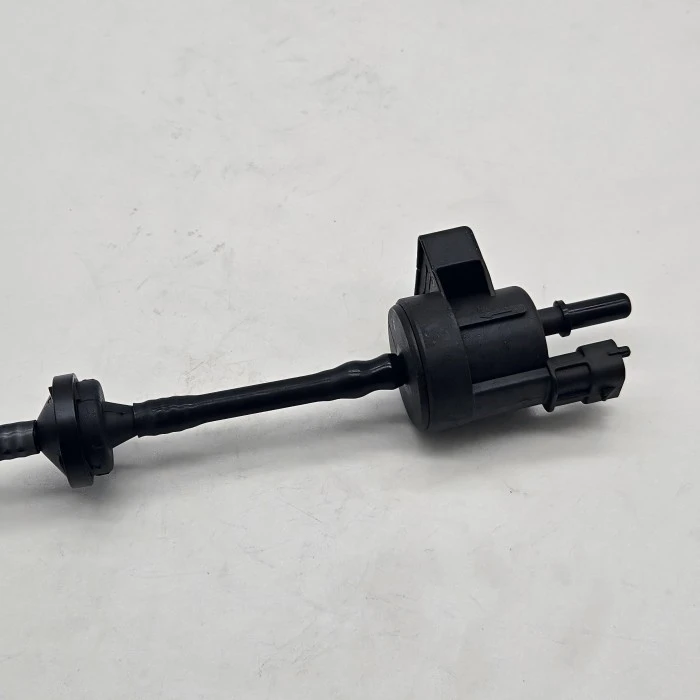
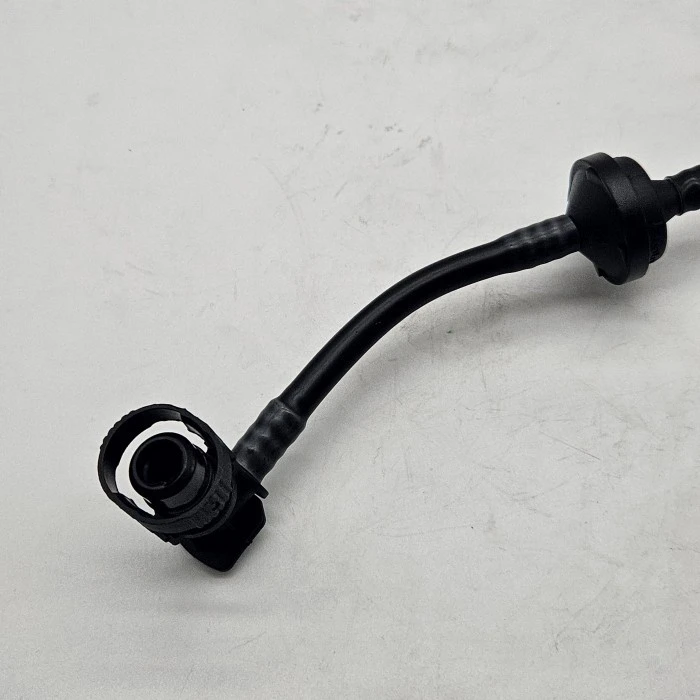
As a supplier, I can recommend some great valves for different applications. Check out our Solenoid Valve 27610 - 1471, which is suitable for a variety of automotive applications. Also, the Transmission Solenoid Valve 7701208174 is a great choice for transmission systems. And if you're looking for a vapor canister purge valve, our VAPOR CANISTER PURGE VALVE 55573017 24102695 55576071 is top - notch.
4. Controlling the Power Supply
The power supply to the solenoid valve can have a big impact on its performance. Make sure the voltage supplied to the solenoid is within the specified range. If the voltage is too low, the solenoid might not be able to generate enough magnetic force to move the plunger or disc, resulting in incomplete opening or closing of the valve. On the other hand, if the voltage is too high, it can cause overheating of the solenoid, which can damage the coil and reduce the lifespan of the valve.
You can use a voltage regulator to ensure a stable power supply to the solenoid valve. Also, avoid frequent on - off cycling of the valve at high voltages, as this can cause excessive wear on the solenoid.
5. Upgrading the Valve
If you've tried all the above steps and still aren't getting the performance you need, it might be time to consider upgrading the valve. Newer models of solenoid valves often come with improved designs, better materials, and advanced features that can significantly enhance performance.
For example, some modern solenoid valves have faster response times, lower power consumption, and better resistance to wear and tear. As a supplier, I can help you find the right upgraded valve for your application.
6. Monitoring and Troubleshooting
Regular monitoring of the solenoid valve's performance is essential. You can use sensors to measure parameters such as flow rate, pressure, and temperature. Any sudden changes in these parameters can indicate a problem with the valve.
If you notice any issues, such as abnormal noise, vibration, or leaks, it's important to troubleshoot the problem immediately. Check for common issues like loose connections, clogged filters, or worn - out seals. If you're not sure how to troubleshoot the problem, don't hesitate to reach out to us. We have a team of experts who can provide you with technical support.
Conclusion
Improving the performance of a solenoid valve is a combination of proper installation, regular maintenance, correct valve selection, and careful power supply control. By following these tips, you can ensure that your solenoid valve operates efficiently and reliably for a long time.
If you're in the market for a new solenoid valve or need help with improving the performance of your existing valves, we'd love to hear from you. Contact us to start a conversation about your specific needs, and let's work together to find the best solutions for your applications.
References
- "Solenoid Valves: Principles, Operation, and Selection" - Industrial Valve Handbook
- "Automotive Solenoid Valve Technology" - Automotive Engineering Journal