

How to verify if a fuel injector is delivering the correct amount of fuel?
Hey there! As a fuel injector supplier, I've seen firsthand how crucial it is for fuel injectors to deliver the right amount of fuel. It's not just about keeping your engine running; it's about ensuring optimal performance, fuel efficiency, and longevity. In this blog post, I'm gonna share some tips on how to verify if a fuel injector is delivering the correct amount of fuel.
Why It Matters
Before we dive into the verification process, let's talk about why it's so important for fuel injectors to deliver the correct amount of fuel. When a fuel injector delivers too much fuel, it can lead to a rich air - fuel mixture. This can cause issues like poor fuel economy, increased emissions, and even engine damage over time. On the other hand, if a fuel injector delivers too little fuel, the air - fuel mixture will be lean. A lean mixture can result in misfires, reduced power, and also potential engine damage.
Visual Inspection
The first step in checking a fuel injector is a visual inspection. Start by looking for any signs of leaks around the injector. A leaking injector can cause an inconsistent fuel delivery. Check the O - rings and seals for any signs of wear, damage, or cracking. If you notice any fuel stains or wet spots around the injector, it's a clear indication that there might be a problem.

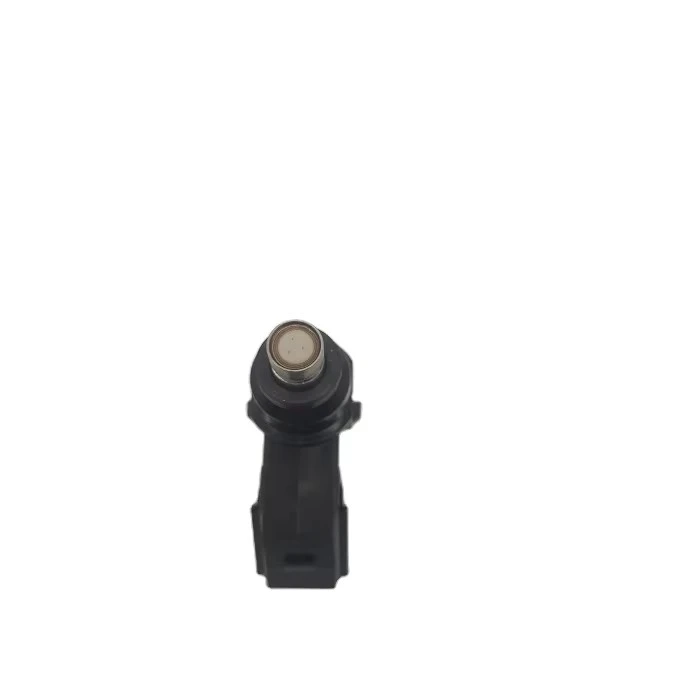
Also, take a look at the injector itself. Look for any signs of clogging or carbon buildup. A clogged injector won't be able to deliver the correct amount of fuel. You can usually spot carbon buildup on the tip of the injector. If you see a lot of black, crusty deposits, it's likely that the injector needs some cleaning or replacement.
Pressure Testing
One of the most effective ways to verify fuel injector performance is through pressure testing. You'll need a fuel pressure gauge for this. First, locate the fuel rail pressure test port. This is usually a small valve on the fuel rail where you can connect the pressure gauge.
Once you've connected the gauge, start the engine and let it idle. The fuel pressure should be within the manufacturer's specified range. If the pressure is too low, it could mean that the fuel pump is failing, there's a blockage in the fuel line, or the injector is restricted. If the pressure is too high, it might indicate a problem with the fuel pressure regulator.
It's also a good idea to check the fuel pressure under different engine conditions, like when the engine is accelerating or at high RPMs. This will give you a more comprehensive understanding of how the fuel system is performing.
Flow Testing
Flow testing is another great way to determine if a fuel injector is delivering the correct amount of fuel. There are two main types of flow testing: static flow testing and dynamic flow testing.
Static Flow Testing
For static flow testing, you'll need to remove the injector from the engine. Connect it to a fuel supply and a pressure regulator. Set the fuel pressure to the manufacturer's recommended level. Then, open the injector and let the fuel flow into a graduated container for a set period of time, usually 30 seconds.
Measure the amount of fuel that has flowed into the container. Compare this amount to the manufacturer's specifications. If the amount of fuel is significantly different from the specified value, the injector might be faulty.
Dynamic Flow Testing
Dynamic flow testing is a bit more complex and usually requires specialized equipment. This type of testing simulates the real - world operating conditions of the injector. The injector is installed in a test bench that can control the fuel pressure, injection duration, and other parameters.
The test bench measures the amount of fuel injected over a series of injection cycles. This gives you a more accurate picture of how the injector performs under normal engine operation. If the dynamic flow rate is off, it's a strong indication that the injector needs to be replaced.
Electrical Testing
Fuel injectors are controlled by electrical signals from the engine control unit (ECU). A problem with the electrical circuit can cause the injector to deliver an incorrect amount of fuel.
You can use a multimeter to test the electrical resistance of the injector. First, disconnect the electrical connector from the injector. Set the multimeter to the resistance (ohms) setting. Place the probes of the multimeter on the terminals of the injector.
The resistance reading should be within the manufacturer's specified range. If the resistance is too high or too low, it could mean that there's a problem with the injector's coil or the wiring.
Using Diagnostic Tools
Modern vehicles are equipped with onboard diagnostic systems (OBD). You can use an OBD scanner to check for any trouble codes related to the fuel injectors. These codes can provide valuable information about what might be wrong with the injector.
For example, a P020X code (where X is a number representing a specific cylinder) indicates a problem with the injector in that cylinder. The OBD scanner can also provide live data on various engine parameters, like fuel trim values. If the fuel trim values are out of the normal range, it could suggest an issue with the fuel injectors.
Cleaning and Maintenance
If you find that a fuel injector is not delivering the correct amount of fuel due to clogging or carbon buildup, you might be able to clean it. There are several fuel injector cleaning kits available on the market. These kits usually contain a cleaning solution that you can add to the fuel tank.
However, if the injector is severely clogged or damaged, cleaning might not be enough. In that case, you'll need to replace the injector. As a fuel injector supplier, I can offer a wide range of high - quality injectors. For example, we have the Fuel Injector IWP189, which is known for its reliable performance. We also have the Fuel Injection Nozzle For ZOOMER 2017 and the Fuel Injector Nozzle 23250 - 28030, both of which are designed to meet the specific requirements of different vehicles.
Conclusion
Verifying if a fuel injector is delivering the correct amount of fuel is a multi - step process. It involves visual inspection, pressure testing, flow testing, electrical testing, and using diagnostic tools. By following these steps, you can accurately determine if an injector is working properly.
If you're having trouble with your fuel injectors or you're looking to replace them, don't hesitate to get in touch. As a fuel injector supplier, we're here to help you find the right injectors for your vehicle and ensure that your engine runs at its best. Whether you're a professional mechanic or a DIY enthusiast, we can provide you with the products and support you need. So, if you're interested in purchasing fuel injectors or have any questions, feel free to reach out and start a procurement discussion.
References
- Bosch Automotive Handbook
- Chilton's Auto Repair Manual
- Haynes Repair Manuals