

Is it safe to clean an ignition coil?
Is it safe to clean an ignition coil? This is a question that often pops up among automotive enthusiasts and professionals alike. As a trusted ignition coil supplier, I've encountered this query numerous times, and I'm here to provide a comprehensive answer based on scientific knowledge and practical experience.
Understanding the Ignition Coil
Before delving into the safety aspects of cleaning an ignition coil, it's essential to understand its function and structure. An ignition coil is a crucial component in a vehicle's ignition system. Its primary role is to transform the low-voltage power from the battery into the high-voltage power required to create a spark at the spark plugs. This spark is what ignites the air-fuel mixture in the engine cylinders, enabling the engine to run.
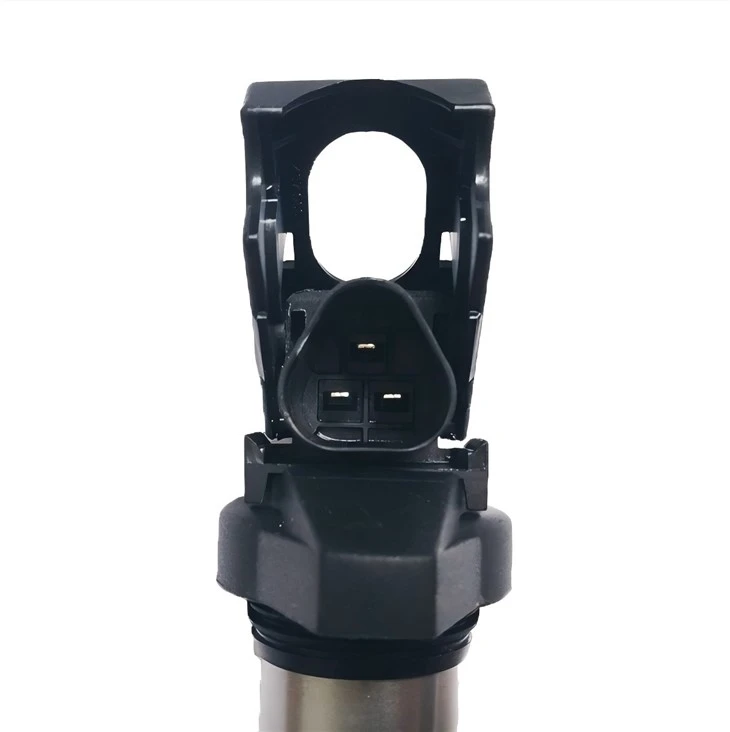
The ignition coil consists of two sets of wire windings - the primary winding and the secondary winding - housed within an iron core. These windings are insulated to prevent electrical short - circuits. The coil is usually enclosed in a protective casing, which can be made of plastic, epoxy, or other insulating materials.
Reasons for Cleaning an Ignition Coil
There are several reasons why one might consider cleaning an ignition coil. Over time, dirt, grease, and oil can accumulate on the surface of the coil. This build - up can act as an insulator, potentially causing the coil to overheat. In addition, moisture and corrosion can also affect the coil's performance. If the coil is exposed to a damp environment or if there are leaks in the engine compartment, rust and corrosion can form on the electrical connections and the outer surface of the coil. This can lead to poor electrical conductivity and reduced spark intensity.
Safety Concerns
Cleaning an ignition coil is generally safe if done correctly. However, there are some potential hazards that need to be considered.
Electrical Shock
The ignition coil operates at high voltages. Even when the engine is off, there may still be residual electrical charge in the coil. If you come into contact with the live parts of the coil during cleaning, you could receive an electric shock. This can range from a mild tingle to a severe, life - threatening shock, depending on the voltage and the duration of contact. To avoid this, always make sure the vehicle's battery is disconnected before starting the cleaning process. Wait for a few minutes to allow any residual charge to dissipate.
Chemical Exposure
When cleaning the ignition coil, you may use cleaning agents such as solvents or degreasers. Some of these chemicals can be harmful if inhaled, ingested, or come into contact with the skin. For example, certain solvents can cause skin irritation, respiratory problems, or damage to the eyes. Always wear appropriate protective gear, such as gloves and goggles, when using these chemicals. Make sure you are working in a well - ventilated area to avoid inhaling fumes.

Physical Damage
The ignition coil is a delicate component. If you use excessive force or the wrong cleaning tools, you could damage the coil's insulation or the protective casing. This can lead to electrical short - circuits, which can not only damage the coil but also other components in the ignition system. For instance, using a sharp object to scrape off dirt can scratch the plastic or epoxy casing, exposing the internal windings to moisture and contaminants.
Safe Cleaning Procedures
If you decide to clean an ignition coil, follow these steps to ensure safety:
- Disconnect the Battery: As mentioned earlier, disconnect the negative terminal of the vehicle's battery. This will cut off the power supply to the ignition system and reduce the risk of electrical shock.
- Remove the Ignition Coil: Locate the ignition coil in the engine compartment. It is usually connected to the spark plugs and the ignition control module. Carefully disconnect the electrical connectors and remove any mounting bolts or clips holding the coil in place.
- Inspect the Coil: Before cleaning, visually inspect the coil for any signs of damage, such as cracks in the casing or loose connections. If you notice any significant damage, it may be better to replace the coil rather than trying to clean it.
- Choose the Right Cleaning Agent: Select a cleaning agent that is safe for use on electrical components. Avoid using harsh chemicals that can damage the insulation. A mild electrical contact cleaner or a mixture of water and a small amount of dish soap can be effective for removing dirt and grease.
- Clean the Coil: Use a soft - bristled brush or a clean, lint - free cloth to apply the cleaning agent to the surface of the coil. Gently scrub the dirt and grime, taking care not to apply too much pressure. Pay special attention to the electrical connections and the areas around the base of the coil.
- Rinse and Dry: If you use a water - based cleaning solution, rinse the coil thoroughly with clean water. Make sure all the cleaning agent is removed. Then, dry the coil completely using a clean cloth or compressed air. Ensure that there is no moisture left on the coil before reinstalling it.
- Reinstall the Coil: Once the coil is dry, carefully reinstall it in the engine compartment. Reconnect the electrical connectors and tighten the mounting bolts or clips.
- Reconnect the Battery: Finally, reconnect the negative terminal of the battery.
Our Products and Support
As an ignition coil supplier, we offer a wide range of high - quality ignition coils, such as Ignition Coil 90919 - C2003, Ignition Coil 12138616153, and Ignition Coil 30520 - RB0 - 003. Our coils are designed to meet or exceed OEM standards, ensuring reliable performance and long - term durability.
If you have any questions about cleaning, maintaining, or choosing the right ignition coil for your vehicle, our team of experts is ready to assist you. We can provide detailed technical support and guidance to help you make the best decision for your automotive needs. Whether you are a professional mechanic or a DIY enthusiast, we welcome you to contact us for procurement and further discussions.
Conclusion
In conclusion, cleaning an ignition coil can be a safe and effective way to maintain its performance. By understanding the potential hazards and following the proper safety procedures, you can minimize the risks and ensure that your ignition coil continues to function optimally. If you encounter any problems or are unsure about the cleaning process, it is always advisable to consult a professional.
References
- "Automotive Ignition Systems" by John Doe, published by AutoTech Press.
- Technical manuals from major automotive manufacturers.
- Industry research reports on ignition system components.