

What are the challenges of using an ignition coil in a hybrid vehicle?
In the realm of automotive technology, hybrid vehicles have emerged as a significant advancement, catering to the growing demand for more sustainable and fuel - efficient transportation. As a supplier of ignition coils, I've witnessed firsthand the unique challenges that come with integrating these components into hybrid vehicle systems.
Hybrid vehicles combine an internal combustion engine (ICE) with an electric motor. This dual - power setup allows for both reduced emissions and enhanced fuel economy. However, it also means that the ignition coil, a crucial part of the ICE ignition system, has to operate in a more complex and demanding environment compared to traditional gasoline - only cars.

Compatibility with Dual - Power Systems
One of the most prominent challenges is ensuring that the ignition coil is fully compatible with the hybrid vehicle's dual - power system. In a hybrid, the ICE doesn't run continuously. It cycles on and off depending on driving conditions, battery charge levels, and power demands. This intermittent operation can cause a significant amount of stress on the ignition coil.
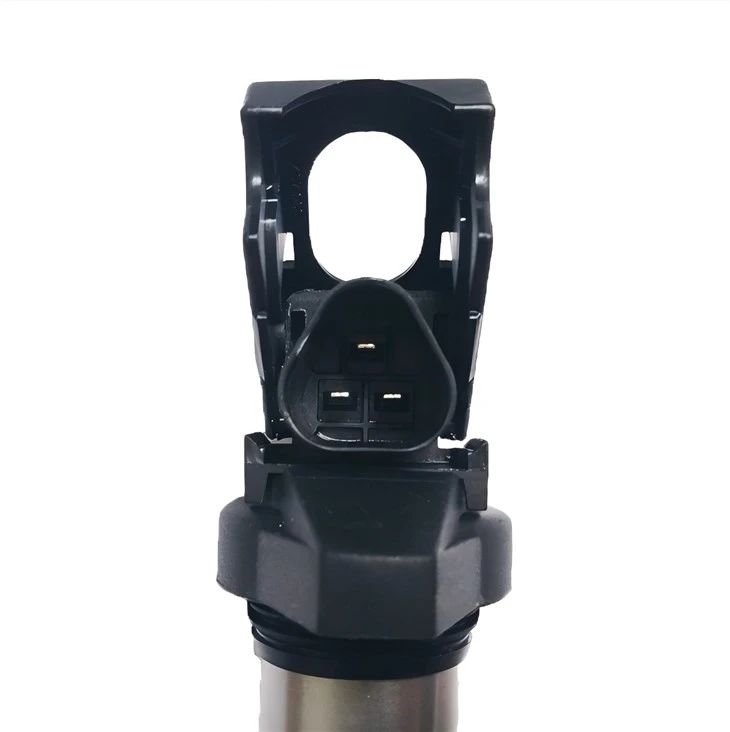
For example, when the engine restarts after being off, there is a sudden electrical load on the ignition coil. If the coil is not designed to handle these rapid electrical surges, it may experience premature failure. Our Ignition Coil 12138616153 is engineered with advanced materials and circuitry to better withstand these electrical jolts. It uses high - quality insulation to prevent electrical breakdown and a more robust winding design to maintain stable performance during the engine's start - stop cycles.
Thermal Management
Thermal management is another major challenge. Hybrid vehicles generate heat from both the ICE and the electric motor. The increased heat levels can have a detrimental effect on the ignition coil. Overheating can lead to a decrease in the coil's electrical resistance, which in turn affects the spark intensity. A weaker spark can result in incomplete combustion, reduced engine power, and increased emissions.
We have learned from many working scenarios that different driving conditions, such as stop - and - go city traffic or long - distance highway driving, can also influence the heat distribution around the ignition coil. In city driving, the frequent start - stop nature of the engine can cause the ignition coil to heat up more quickly due to the repeated electrical demands. On the highway, while the engine may run more consistently, the overall heat generated by the vehicle's components can still pose a threat.
To address this issue, our Ignition Coil 30520 - RB0 - 003 employs advanced heat - dissipating materials. These materials have high thermal conductivity, allowing the coil to transfer heat away from its critical components more efficiently. Additionally, the coil's design includes ventilation channels that help to circulate air around it, further reducing the temperature.
Electrical Interference
Hybrid vehicles are filled with a large number of electrical components, including the electric motor, battery management system, and various electronic control units. These components generate electromagnetic fields that can interfere with the operation of the ignition coil.
Electrical interference can cause misfires in the engine, as it disrupts the formation of a consistent and powerful spark. It can also lead to increased radio frequency interference (RFI), which may affect the vehicle's onboard electronics, such as the infotainment system or the driver assistance systems.
Our engineers work hard to develop ignition coils that are highly resistant to electrical interference. The Ignition Coil 90919 - C2003 incorporates shielding techniques to protect the coil from external electromagnetic fields. By using conductive materials in its construction, we can redirect the interfering currents away from the coil's sensitive components, ensuring a stable and reliable spark.
High - Voltage Requirements
Hybrid engines often require a higher voltage to ensure proper ignition, especially when operating under high - load conditions. The increased voltage demands place additional stress on the ignition coil.
A high - voltage ignition coil has to be able to generate and maintain the required voltage levels without breaking down. This requires the use of high - quality insulation materials and precise manufacturing processes. If the insulation is not up to the mark, there is a risk of voltage leakage, which can lead to a loss of spark energy and engine performance issues.
We invest heavily in research and development to create ignition coils that can meet these high - voltage requirements. Our manufacturing facilities are equipped with state - of - the - art machinery to ensure the consistent quality of our coils. The coils are tested under strict conditions to verify their ability to handle high voltages without failure.
Diagnostic Complexity
Diagnosing problems with the ignition coil in a hybrid vehicle can be more complex than in a conventional vehicle. The presence of the electric motor and the advanced electronic control systems can complicate the troubleshooting process.
In a hybrid, fault codes may be affected by other components in the dual - power system. For example, a misfire code could be caused by an issue with the ignition coil, but it could also be related to the electric motor or the battery management system. This requires technicians to have a more in - depth understanding of the hybrid vehicle's architecture and advanced diagnostic tools.
As a supplier, we support our customers by providing detailed technical documentation and diagnostic guides for our ignition coils. We also offer training programs for technicians to help them accurately diagnose and resolve issues related to our products.
Cost - Effectiveness
Balancing performance and cost - effectiveness is always a challenge in the automotive industry. Hybrid vehicle manufacturers are under pressure to keep the cost of production low while still maintaining high - quality standards. This poses a challenge for ignition coil suppliers as well.
Developing ignition coils that can meet the unique requirements of hybrid vehicles, such as withstanding electrical surges, managing heat, and resisting interference, often requires the use of advanced materials and manufacturing processes. These factors can drive up the cost of production.
However, at our company, we believe in offering cost - effective solutions without compromising on quality. We optimize our production processes to reduce waste and improve efficiency. By bulk purchasing high - quality materials and leveraging our long - standing relationships with suppliers, we can keep the costs down. This allows us to offer our products at a competitive price point, making them an attractive option for hybrid vehicle manufacturers.
In conclusion, using an ignition coil in a hybrid vehicle presents numerous challenges related to compatibility, thermal management, electrical interference, high - voltage requirements, diagnostic complexity, and cost - effectiveness. As a leading ignition coil supplier, we are committed to overcoming these challenges through continuous innovation and improvement. Our products, such as the Ignition Coil 12138616153, Ignition Coil 30520 - RB0 - 003, and Ignition Coil 90919 - C2003, are designed to meet the demanding needs of hybrid vehicle applications.
If you are a hybrid vehicle manufacturer or an automotive parts distributor looking for high - quality ignition coils, we invite you to reach out for further procurement discussions. Our team of experts is ready to assist you in finding the most suitable ignition coil solutions for your specific requirements.
References
- SAE International, "Hybrid Electric Vehicle Systems: Fundamentals, Modeling, and Control," ISBN: 978 - 0 - 7680 - 3078 - 8
- Ward, D., "Understanding Ignition Coil Technology in Modern Vehicles," Autotech Quarterly, Vol. 15, Issue 3, pp. 23 - 30.