

What are the common modifications for brake pad sets?
What are the common modifications for brake pad sets?
As a brake pad set supplier, I've witnessed firsthand the diverse needs and preferences of customers when it comes to modifying brake pad sets. Modifications to brake pad sets can enhance performance, improve safety, and customize the braking experience to suit specific driving conditions and vehicle requirements. In this blog post, I'll delve into the common modifications for brake pad sets and explain how they can benefit your vehicle.
Material Upgrades
One of the most common modifications for brake pad sets is upgrading the brake pad material. Different materials offer varying levels of performance, durability, and noise reduction. The most common brake pad materials include organic, semi - metallic, and ceramic.
Organic Brake Pads
Organic brake pads are made from a mixture of fibers, fillers, and resins. They are known for their quiet operation and gentle wear on the brake rotors. However, they tend to have lower heat resistance and may wear out faster under heavy - braking conditions. Some customers may choose to upgrade from organic brake pads to a more high - performance material for better stopping power.
Semi - Metallic Brake Pads
Semi - metallic brake pads contain a significant amount of metal fibers, such as steel or copper. They offer better heat dissipation and higher friction coefficients compared to organic brake pads, resulting in improved stopping power. However, they can be noisier and may cause more wear on the brake rotors. Upgrading to semi - metallic brake pads is a popular choice for drivers who frequently drive in stop - and - go traffic or need more aggressive braking performance.
Ceramic Brake Pads
Ceramic brake pads are made from ceramic fibers and other materials. They are known for their excellent heat resistance, low noise, and minimal dust production. Ceramic brake pads also tend to last longer than organic and semi - metallic brake pads. Many luxury and high - performance vehicles come equipped with ceramic brake pads from the factory, but for those with standard brake pads, upgrading to ceramic can provide a noticeable improvement in braking performance and overall driving experience. For example, our Brake Pads 04465 - 12240 are made of high - quality ceramic material, offering outstanding performance.
Friction Coefficient Adjustment
The friction coefficient of a brake pad determines how effectively it can convert kinetic energy into heat to slow down or stop the vehicle. Modifying the friction coefficient of a brake pad set can be achieved through various means, such as changing the brake pad material or adjusting the manufacturing process.
A higher friction coefficient generally means better stopping power, but it can also lead to increased wear on the brake pads and rotors, as well as more noise. On the other hand, a lower friction coefficient may result in longer braking distances but can be more suitable for vehicles that require a smoother braking feel. Some brake pad manufacturers offer different friction levels for their products, allowing customers to choose the one that best suits their driving style and vehicle requirements. Our Brake Pads 41060 - EB326 have an optimized friction coefficient, providing a balance between stopping power and durability.
Chamfering and Slotting
Chamfering and slotting are physical modifications made to the surface of the brake pads.
Chamfering
Chamfering involves beveling the edges of the brake pads. This modification helps to reduce noise and vibration during braking by preventing the brake pads from digging into the rotors at sharp angles. Chamfered brake pads also provide a smoother initial contact with the rotors, resulting in a more gradual and controlled braking experience.
Slotting
Slotting refers to cutting grooves or slots into the surface of the brake pads. Slots serve several purposes. Firstly, they help to evacuate gases and debris that are generated during the braking process, which can improve the friction between the brake pads and rotors. Secondly, slots can prevent the formation of a glaze on the brake pads, which can reduce their effectiveness over time. Finally, slotting can also help to dissipate heat more efficiently, preventing brake fade under heavy - braking conditions.
Shims and Dampers
Shims and dampers are additional components that can be added to brake pad sets to reduce noise and vibration.
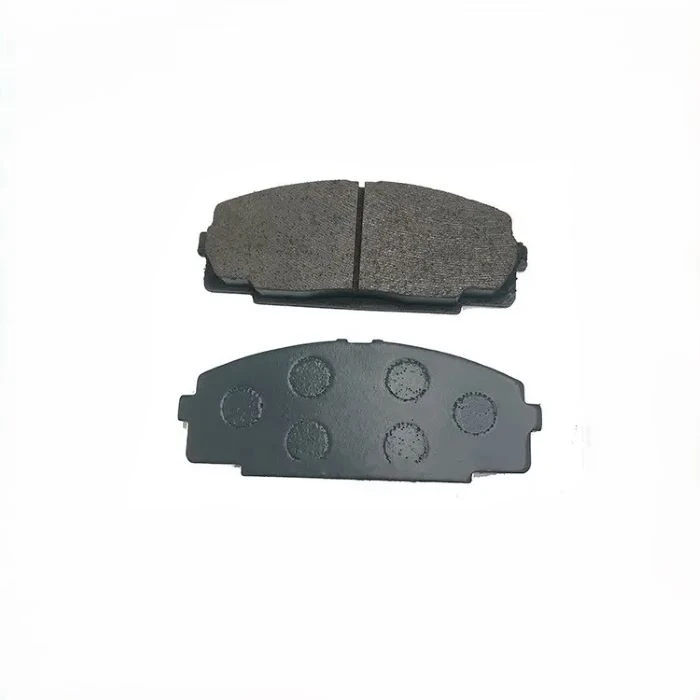
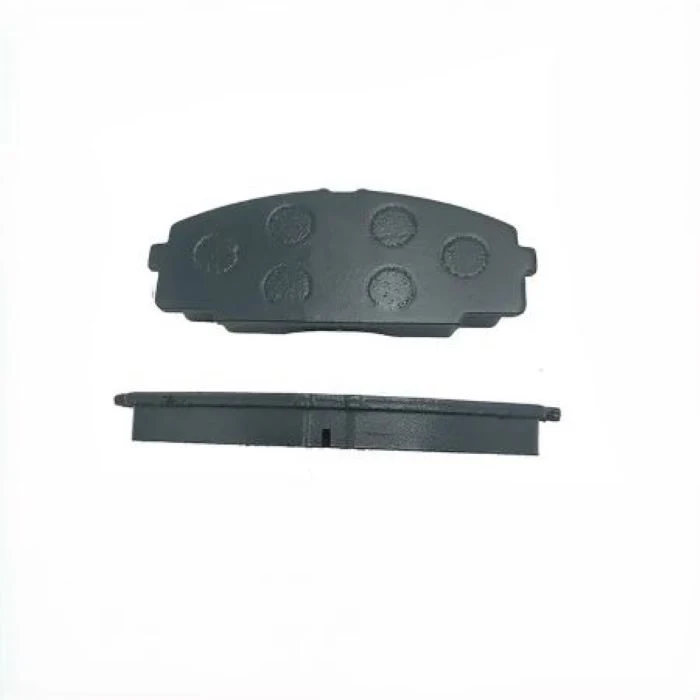
Shims
Shims are thin metal or rubber plates that are placed between the brake pads and the caliper pistons. They act as a buffer, absorbing vibrations and reducing noise transmission. Shims can also help to ensure even pressure distribution across the brake pads, which can improve braking performance and extend the lifespan of the brake pads.
Dampers
Dampers are similar to shims but are designed to provide additional vibration damping. They are often made of rubber or other elastic materials and are attached to the back of the brake pads. Dampers can significantly reduce brake squeal and provide a quieter and more comfortable driving experience.
Heat Treatment
Heat treatment is a process that can be applied to brake pad sets to improve their performance and durability. By subjecting the brake pads to controlled heating and cooling cycles, the material properties of the brake pads can be enhanced.
Heat treatment can increase the hardness and strength of the brake pads, making them more resistant to wear and deformation. It can also improve the heat resistance of the brake pads, reducing the risk of brake fade under high - temperature conditions. Additionally, heat - treated brake pads may have a more consistent friction coefficient, resulting in more predictable braking performance.
Custom - Fit Modifications
In some cases, customers may require custom - fit modifications to their brake pad sets to ensure proper installation and compatibility with their vehicles. This can include trimming the brake pads to fit specific calipers or rotors, or modifying the shape of the brake pads to match the contours of the braking system.
Custom - fit modifications are particularly important for older vehicles or those with non - standard braking systems. By providing custom - fit brake pad sets, we can ensure that our customers get the best possible performance and safety from their braking systems.
Conclusion
Modifying brake pad sets can offer numerous benefits, including improved performance, enhanced safety, and a more customized driving experience. Whether it's upgrading the brake pad material, adjusting the friction coefficient, or adding shims and dampers, there are many ways to optimize your brake pad set to meet your specific needs.
As a brake pad set supplier, we offer a wide range of brake pad products, including the Brake Pads 04465 - 12240 and Brake Pads 41060 - EB326, which are designed to provide high - quality and reliable braking performance. If you're interested in learning more about our brake pad sets or discussing potential modifications for your vehicle, we encourage you to contact us for a procurement discussion. Our team of experts is ready to assist you in finding the perfect brake pad solution for your needs.
References
- Bosch Automotive Handbook, 8th Edition
- Chilton's Automotive Repair Manuals
- SAE International Technical Papers on Brake Systems