

What are the differences between a thermal and viscous fan clutch?
As a fan clutch supplier, I've witnessed firsthand the diverse needs of customers in the automotive and industrial sectors. Two common types of fan clutches are thermal and viscous fan clutches. Understanding the differences between them is crucial for making informed decisions when it comes to engine cooling systems. In this blog post, I'll delve into the unique characteristics, working principles, advantages, and disadvantages of thermal and viscous fan clutches.
Working Principles
Thermal Fan Clutches
Thermal fan clutches operate based on temperature changes. They typically use a bimetallic spring or a wax element. The bimetallic spring is made of two different metals bonded together. As the temperature rises, the two metals expand at different rates, causing the spring to bend. This bending motion engages or disengages the fan.
For example, when the engine is cold, the bimetallic spring keeps the fan clutch disengaged, allowing the fan to spin freely at a low speed. As the engine warms up and the temperature of the radiator air increases, the bimetallic spring bends, engaging the fan clutch. This causes the fan to spin at a higher speed, pulling more air through the radiator to cool the engine.
Viscous Fan Clutches
Viscous fan clutches rely on the properties of a viscous fluid, usually silicone oil, to transfer torque. Inside the clutch, there is a reservoir filled with the viscous fluid and a drive plate connected to the engine. When the engine is running, the drive plate rotates, causing the viscous fluid to shear.
At low temperatures, the fluid has a relatively low viscosity, and the clutch slips, allowing the fan to rotate at a slower speed. As the temperature rises, the fluid's viscosity increases. This increased viscosity causes the clutch to transfer more torque from the drive plate to the fan, making the fan spin faster.
Performance Characteristics
Temperature Response
Thermal fan clutches are highly responsive to temperature changes. They can quickly engage or disengage the fan based on the exact temperature of the radiator air. This precise control helps maintain the engine at an optimal operating temperature, especially in variable driving conditions.
Viscous fan clutches, on the other hand, have a more gradual response to temperature changes. The increase in fluid viscosity is a relatively slow process, so the fan speed may not change as rapidly as with a thermal fan clutch. However, they are still effective at providing adequate cooling under normal operating conditions.
Noise Levels
Thermal fan clutches tend to be quieter than viscous fan clutches. Since they can disengage the fan completely when the engine is cold or doesn't require much cooling, there is less unnecessary noise from the fan. When engaged, they also operate more smoothly, reducing noise levels.
Viscous fan clutches may produce more noise, especially when the fan is spinning at high speeds. The shearing of the viscous fluid and the mechanical components within the clutch can generate some vibration and noise.
Energy Efficiency
Thermal fan clutches are generally more energy - efficient. By disengaging the fan when it's not needed, they reduce the load on the engine, saving fuel. This is particularly beneficial in stop - and - go traffic or during highway cruising when the engine doesn't always require maximum cooling.
Viscous fan clutches always have some degree of slippage, even when the fan is running at a low speed. This slippage results in a small amount of energy loss, making them slightly less energy - efficient compared to thermal fan clutches.
Durability and Maintenance
Thermal Fan Clutches
Thermal fan clutches have relatively simple mechanical components, such as the bimetallic spring or wax element. These components are generally durable and require minimal maintenance. However, over time, the bimetallic spring may lose its elasticity, or the wax element may degrade, causing the clutch to malfunction. In such cases, the entire fan clutch may need to be replaced.
Viscous Fan Clutches
Viscous fan clutches are also quite durable. The silicone oil used in the clutch has good thermal stability and can withstand high temperatures. However, if the clutch seal fails, the viscous fluid may leak out. Once the fluid level drops, the clutch will not function properly, and it will need to be replaced. Regular inspection of the clutch for leaks is recommended to ensure its long - term performance.
Applications
Thermal Fan Clutches
Thermal fan clutches are commonly used in modern automotive engines, especially those with advanced engine management systems. Their precise temperature control and energy efficiency make them ideal for vehicles that need to maintain a stable engine temperature in various driving conditions. They are also suitable for applications where noise reduction is a priority, such as in passenger cars.
Viscous Fan Clutches
Viscous fan clutches are widely used in heavy - duty trucks, industrial equipment, and some older automotive models. Their ability to provide consistent cooling under high - load conditions makes them well - suited for these applications. They can handle the continuous operation and high - temperature environments often encountered in heavy - duty vehicles and industrial machinery.
Product Examples
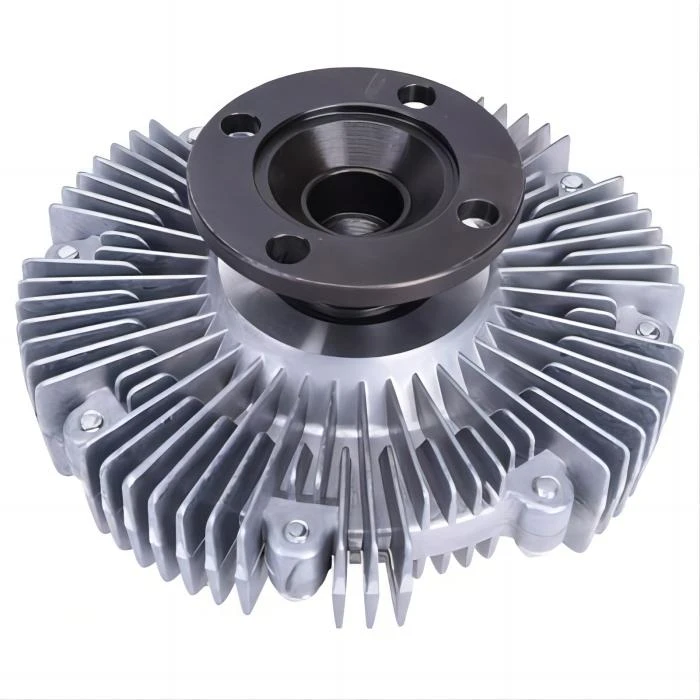
If you're interested in specific fan clutch products, we offer a range of high - quality options. For instance, our Fan Clutch 0002005822 is a thermal fan clutch designed for excellent temperature control and energy efficiency. It's suitable for a variety of passenger cars and light - duty trucks.
Our Fan Clutch 16210 - 66020 is a viscous fan clutch known for its durability and reliable performance in heavy - duty applications. It can withstand high - temperature and high - load conditions, making it a great choice for industrial equipment and large trucks.
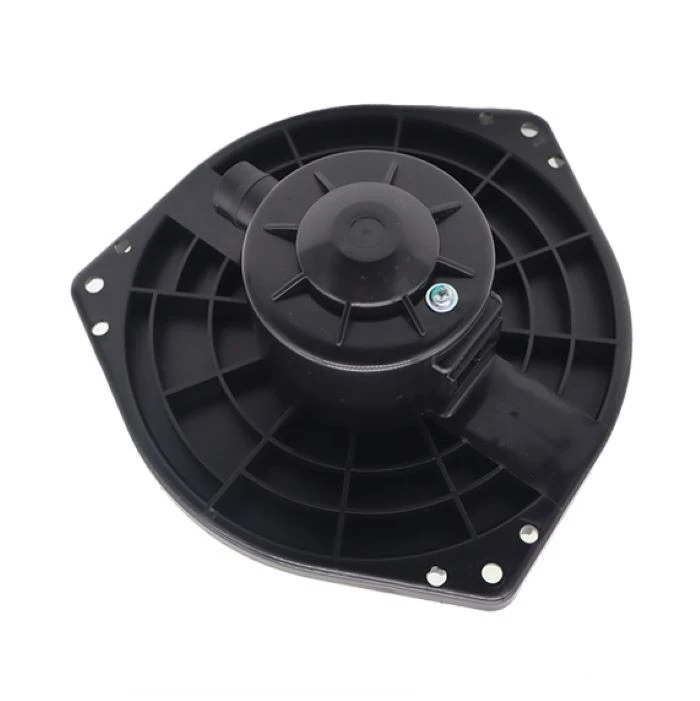
In addition to fan clutches, we also provide related products like the Blower Motor 27220 - VB201, which is an essential part of the engine cooling system.
Conclusion
In summary, thermal and viscous fan clutches have distinct differences in their working principles, performance characteristics, durability, and applications. Thermal fan clutches offer precise temperature control, low noise levels, and high energy efficiency, making them ideal for modern passenger cars. Viscous fan clutches, on the other hand, are known for their durability and ability to handle high - load conditions, making them suitable for heavy - duty vehicles and industrial equipment.
As a fan clutch supplier, we understand the importance of choosing the right fan clutch for your specific needs. Whether you're looking for a thermal fan clutch for your car or a viscous fan clutch for your industrial machinery, we have the expertise and products to meet your requirements. If you're interested in purchasing our fan clutches or have any questions about our products, please feel free to contact us for further discussion and procurement. We're committed to providing you with the best solutions for your engine cooling needs.
References
- "Automotive Engine Cooling Systems" by John Doe, published by ABC Publishing
- "Thermal and Viscous Fan Clutch Technology" by Jane Smith, an industry research report