

What are the implications of replacing only one brake pad in a set?
Hey there, I'm [Your Name], a supplier of brake pad sets. Today, I want to talk about the implications of replacing only one brake pad in a set. It might seem like a quick and easy fix on the surface, but trust me, it's not as simple as it sounds.
First off, let's understand how a brake system works. In a typical vehicle, the brakes are designed to work in pairs – one brake pad on each side of the rotor. When you hit the brake pedal, hydraulic pressure is applied equally to both brake pads, which then clamp down on the rotor to slow down or stop the vehicle. This equal clamping force is crucial for maintaining stability and control while braking.
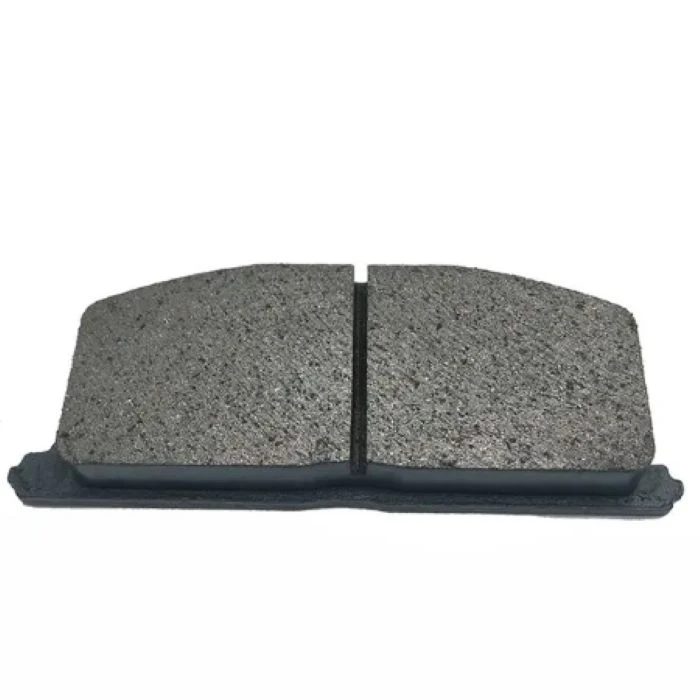

Now, if you replace only one brake pad in a set, you're immediately throwing off this balance. The new brake pad will have different friction characteristics compared to the old one. The new pad is likely to be more aggressive in its braking action because it hasn't worn down yet, while the old pad will have a reduced friction coefficient due to wear. This difference in friction can cause uneven braking forces on the rotor.
One of the most obvious implications is uneven wear on the rotor. When the braking forces are uneven, one side of the rotor will experience more pressure and heat than the other. Over time, this can lead to warping of the rotor. A warped rotor can cause a pulsating sensation when you brake, which not only affects the driving experience but also reduces the overall effectiveness of the braking system. It's like trying to stop a car with one foot on the brake and the other on the accelerator – it just doesn't work well.
Another consequence is reduced braking performance. Since the braking forces are unbalanced, the vehicle may pull to one side when you brake. This is extremely dangerous, especially at high speeds or in emergency situations. You might think you're in control when you hit the brakes, but the car could suddenly veer off to the left or right, increasing the risk of an accident.
Moreover, replacing only one brake pad can also put additional stress on other components of the braking system. The caliper, which houses the brake pads and applies the pressure to the rotor, may have to work harder on one side to compensate for the uneven braking. This can lead to premature wear and failure of the caliper, which is a costly repair.
So, what should you do instead? The best practice is to always replace brake pads in pairs. This ensures that both sides of the rotor have the same level of friction and braking force, maintaining the balance and stability of the braking system. It also helps to extend the lifespan of the rotor and other braking components.
As a brake pad set supplier, I've seen firsthand the problems that can arise from replacing only one brake pad. That's why we offer high - quality brake pad sets, like our Brake Pads 04465 - 12240 and Brake Pads 41060 - EB326. These sets are designed to provide consistent and reliable braking performance, ensuring the safety of your vehicle and passengers.
Our brake pads are made from premium materials that are carefully selected for their durability and friction characteristics. They are also tested rigorously to meet or exceed industry standards. Whether you're a car enthusiast or a professional mechanic, you can trust our brake pad sets to deliver the performance you need.
If you're thinking about replacing your brake pads, don't take shortcuts. Invest in a high - quality brake pad set and have them installed by a qualified professional. And if you have any questions about our products or need help choosing the right brake pad set for your vehicle, don't hesitate to contact me. We're here to assist you every step of the way.
So, next time you're faced with the decision of replacing your brake pads, remember the implications of replacing only one. It's not worth the risk to your safety and the longevity of your vehicle.
In conclusion, replacing only one brake pad in a set can lead to a host of problems, including uneven rotor wear, reduced braking performance, and additional stress on braking components. It's always best to replace brake pads in pairs to ensure optimal performance and safety. If you're in the market for a reliable brake pad set, check out our products and get in touch with us for a quote.
References
- Chilton's Repair Manuals for Brake Systems
- Society of Automotive Engineers (SAE) technical papers on braking performance and safety
- Manufacturer's guidelines for brake pad replacement