

What are the signs of a damaged thermostat housing?
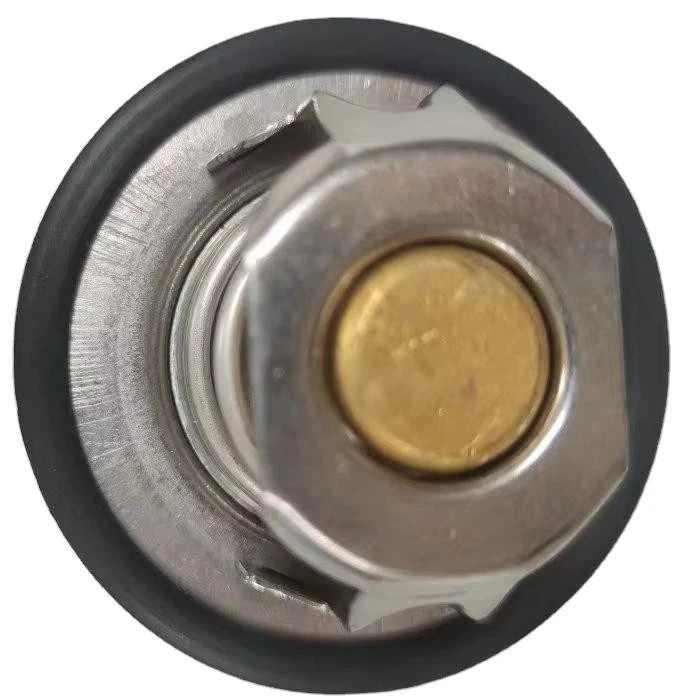
A thermostat housing is a crucial component in a vehicle's engine cooling system. It encases the thermostat, which regulates the flow of coolant through the engine to maintain optimal operating temperature. When the thermostat housing is damaged, it can lead to a variety of problems that can affect the performance and longevity of the engine. As an experienced engine thermostat supplier, I've witnessed firsthand the issues that a damaged thermostat housing can cause. In this blog post, I'll discuss the signs of a damaged thermostat housing and why it's important to address these issues promptly.

1. Coolant Leaks
One of the most obvious signs of a damaged thermostat housing is coolant leakage. The thermostat housing is responsible for containing the coolant within the cooling system, and any cracks or damage to the housing can cause coolant to leak out. You may notice puddles of coolant under your vehicle, or you might see coolant dripping from the area around the thermostat housing. Coolant leaks can lead to a loss of coolant, which can cause the engine to overheat. Overheating can result in serious engine damage, such as warped cylinder heads or a blown head gasket. If you suspect a coolant leak, it's essential to inspect the thermostat housing for any visible signs of damage.
2. Engine Overheating
A damaged thermostat housing can disrupt the normal operation of the thermostat, leading to engine overheating. The thermostat is designed to open and close at specific temperatures to regulate the flow of coolant through the engine. If the housing is damaged, the thermostat may not function correctly, causing the engine to overheat. Overheating can cause a range of problems, including reduced engine performance, increased fuel consumption, and potential engine damage. If your engine temperature gauge consistently reads higher than normal, or if you see steam coming from under the hood, it could be a sign of a damaged thermostat housing.
3. Inconsistent Temperature Readings
Another sign of a damaged thermostat housing is inconsistent temperature readings on the engine temperature gauge. The thermostat housing helps to ensure that the thermostat functions properly and maintains a consistent engine temperature. If the housing is damaged, the thermostat may not open or close at the correct times, leading to fluctuations in the engine temperature. You may notice that the temperature gauge jumps around or shows erratic readings. Inconsistent temperature readings can make it difficult to determine the actual operating temperature of the engine, which can lead to improper engine operation and potential damage.
4. Poor Heater Performance
The thermostat housing also plays a role in the vehicle's heating system. The heater core, which provides heat for the cabin, relies on hot coolant from the engine to function. If the thermostat housing is damaged and the coolant flow is disrupted, the heater may not receive enough hot coolant to produce adequate heat. You may notice that the heater blows cold air or that the heat output is significantly reduced. Poor heater performance can be uncomfortable for passengers, especially in cold weather.
5. Corrosion and Rust
Over time, the thermostat housing can become corroded or rusted, especially if it's exposed to moisture and road salt. Corrosion and rust can weaken the housing, causing it to crack or develop holes. You may notice signs of corrosion or rust on the exterior of the thermostat housing, such as a flaky or discolored appearance. Corrosion can also affect the internal components of the housing, such as the thermostat itself, leading to malfunction. If you see signs of corrosion or rust on the thermostat housing, it's important to have it inspected and replaced if necessary.
6. Strange Noises
A damaged thermostat housing can sometimes cause strange noises in the engine. If the housing is cracked or loose, it can allow air to enter the cooling system, creating a hissing or gurgling sound. These noises may be more noticeable when the engine is running or when the vehicle is accelerating. Strange noises can indicate a problem with the cooling system, and it's important to have them investigated to prevent further damage.
7. Reduced Coolant Flow
A damaged thermostat housing can restrict the flow of coolant through the engine. The housing is designed to provide a smooth path for the coolant to flow, and any damage can disrupt this flow. Reduced coolant flow can prevent the engine from being properly cooled, leading to overheating and other problems. You may notice that the radiator fan runs more frequently or that the engine takes longer to reach its normal operating temperature. If you suspect reduced coolant flow, it's important to have the thermostat housing inspected to ensure proper coolant circulation.
Why Choose Our Engine Thermostats
As an engine thermostat supplier, we offer a wide range of high-quality thermostats, including Thermostat 55202176, Auto Cooling Thermostat 92062728, and Automotive Thermostat 7700872554. Our thermostats are designed to meet or exceed OEM specifications, ensuring reliable performance and durability. We understand the importance of a properly functioning thermostat in maintaining the health of your engine, and we're committed to providing our customers with the best products and service.
Contact Us for Procurement
If you're experiencing any of the signs of a damaged thermostat housing or if you're in the market for a new engine thermostat, we'd love to hear from you. Our team of experts can help you select the right thermostat for your vehicle and provide you with all the information you need to make an informed decision. Whether you're a mechanic, a car enthusiast, or a fleet manager, we can meet your engine thermostat needs. Contact us today to start the procurement process and ensure the optimal performance of your engine.
References
- Chilton's Auto Repair Manuals
- Haynes Automotive Manuals
- Motor Magazine's Technical Articles