

What happens if my brake pad set fails while driving?
What happens if my brake pad set fails while driving?
As a brake pad set supplier, I understand the critical role that brake pads play in ensuring vehicle safety. Brake pads are a fundamental component of a car's braking system, and their failure can lead to a series of potentially dangerous consequences. In this blog post, I'll delve into what happens when a brake pad set fails while driving and why it's essential to choose high - quality brake pads.
The Function of Brake Pads
Before we explore the consequences of brake pad failure, let's briefly understand how brake pads work. When you press the brake pedal, the brake caliper squeezes the brake pads against the brake rotor. This friction between the brake pads and the rotor slows down and eventually stops the vehicle. A well - functioning brake pad set is crucial for reliable and efficient braking performance.
Signs of Brake Pad Failure
There are several warning signs that can indicate impending brake pad failure. One of the most common signs is a high - pitched squealing noise when you apply the brakes. This noise is often caused by a wear indicator on the brake pads. As the brake pads wear down, the wear indicator makes contact with the rotor, producing the squealing sound. Another sign is a grinding noise, which is a more severe indication that the brake pads are extremely worn and the metal backing of the pads is rubbing against the rotor. You may also notice a decrease in braking performance, such as longer stopping distances or a spongy brake pedal.
Consequences of Brake Pad Failure While Driving
- Reduced Braking Efficiency
When the brake pads fail, the friction needed to slow down or stop the vehicle is significantly reduced. This means that it will take much longer for your car to come to a halt. For example, in normal driving conditions, a car with properly functioning brake pads may stop within a few meters when you apply the brakes at a moderate speed. However, with failed brake pads, the stopping distance can increase to tens of meters, increasing the risk of a collision. - Damage to the Brake Rotor
As the brake pads wear down completely, the metal backing of the pads will start to rub against the brake rotor. This can cause severe damage to the rotor, such as scoring, warping, or even cracking. A damaged rotor not only further impairs braking performance but also requires more expensive repairs. Replacing a damaged rotor is more costly than simply replacing worn - out brake pads. - Loss of Control
In extreme cases of brake pad failure, you may experience a complete loss of braking ability. This can be extremely dangerous, especially when driving at high speeds or in heavy traffic. Without the ability to stop or slow down your vehicle, you are at a high risk of crashing into other vehicles, pedestrians, or objects on the road. It can also be challenging to maintain control of the vehicle, as you may not be able to adjust your speed according to the traffic conditions. - Increased Risk of Accidents
All of the above consequences contribute to a significantly increased risk of accidents. Whether it's a rear - end collision due to longer stopping distances or a more serious multi - vehicle pile - up because of a complete loss of braking, the results can be devastating. Accidents can lead to injuries, property damage, and even loss of life.
Importance of Choosing High - Quality Brake Pads
As a brake pad set supplier, I highly recommend investing in high - quality brake pads. High - quality brake pads are made from superior materials that offer better friction, durability, and heat resistance. They are designed to withstand the rigors of daily driving and provide consistent braking performance over a longer period.
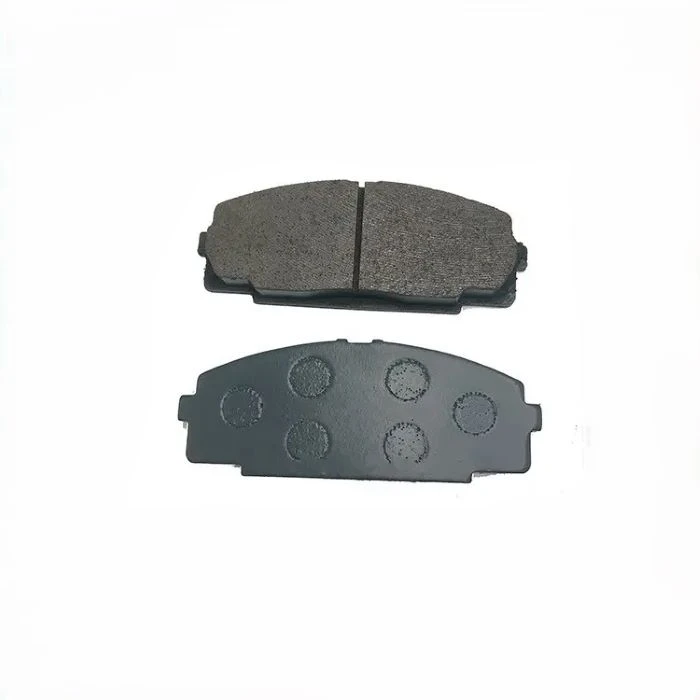

For example, our Brake Pads 41060 - EB326 are engineered with advanced friction materials that ensure excellent stopping power. These brake pads are also designed to reduce noise and vibration, providing a smooth and quiet braking experience. Similarly, our Brake Pads 04465 - 12240 are known for their long - lasting performance and reliability. They are rigorously tested to meet or exceed industry standards, giving you peace of mind on the road.
Preventive Maintenance
To avoid brake pad failure, it's essential to perform regular preventive maintenance on your vehicle's braking system. This includes having your brake pads inspected regularly by a qualified mechanic. Most manufacturers recommend checking the brake pads every 10,000 - 15,000 miles, but this can vary depending on your driving habits and the type of vehicle you drive.
You should also pay attention to the warning signs of brake pad wear and replace the brake pads as soon as they reach the recommended wear limit. By being proactive about brake pad maintenance, you can prevent costly repairs and ensure your safety on the road.
Conclusion
Brake pad failure while driving can have serious consequences, from reduced braking efficiency and damage to the brake rotor to a complete loss of control and an increased risk of accidents. As a brake pad set supplier, I emphasize the importance of choosing high - quality brake pads and performing regular maintenance on your vehicle's braking system.
If you are in the market for reliable and high - performance brake pads, we are here to help. Our extensive range of brake pad sets, including the Brake Pads 41060 - EB326 and Brake Pads 04465 - 12240, is designed to meet the needs of different vehicles and driving conditions. Contact us today to discuss your brake pad requirements and start a procurement negotiation. We are committed to providing you with the best products and services to ensure your safety on the road.
References
- Automotive Brake Systems Handbook, published by an industry - leading automotive engineering firm.
- Various research papers on automotive safety and braking system performance from academic journals.