

What is a fuel pressure sensor and what is its function in a fuel system?
Hey there! As a fuel system supplier, I often get asked about different components in a fuel system. One of the key parts that many people are curious about is the fuel pressure sensor. So, let's dive into what a fuel pressure sensor is and what it does in a fuel system.
What is a Fuel Pressure Sensor?
A fuel pressure sensor, in simple terms, is a device that measures the pressure of the fuel in the fuel system. It's like a little detective that keeps an eye on how much pressure the fuel is under. This sensor is usually located on the fuel rail, which is a pipe that distributes fuel to the injectors in an engine.
The sensor works by using a diaphragm and a strain gauge. When the fuel exerts pressure on the diaphragm, it causes a change in the electrical resistance of the strain gauge. This change in resistance is then converted into an electrical signal, which is sent to the engine control unit (ECU). The ECU is like the brain of the engine, and it uses this information to make decisions about how to manage the fuel system.
The Function of a Fuel Pressure Sensor in a Fuel System
Now that we know what a fuel pressure sensor is, let's talk about its functions in a fuel system. There are several important roles that this little sensor plays, and I'll break them down for you.
1. Maintaining Optimal Fuel Pressure
One of the primary functions of a fuel pressure sensor is to help maintain the optimal fuel pressure in the fuel system. The engine needs the right amount of fuel at the right pressure to run efficiently. If the fuel pressure is too low, the engine may not get enough fuel, which can lead to poor performance, misfires, and even stalling. On the other hand, if the fuel pressure is too high, it can cause the engine to run rich, which means it's using more fuel than necessary. This can lead to increased emissions and reduced fuel economy.
The fuel pressure sensor constantly monitors the fuel pressure and sends this information to the ECU. The ECU then adjusts the fuel pump and the fuel injectors to ensure that the fuel pressure stays within the optimal range. This helps the engine run smoothly and efficiently.
2. Improving Fuel Economy
By maintaining the optimal fuel pressure, the fuel pressure sensor also helps improve fuel economy. When the engine is running at the right fuel pressure, it can burn the fuel more efficiently, which means it uses less fuel to produce the same amount of power. This can save you money at the pump and reduce your carbon footprint.
For example, if the fuel pressure is too low, the engine may have to work harder to get the fuel it needs, which can increase fuel consumption. But with a properly functioning fuel pressure sensor, the ECU can adjust the fuel system to ensure that the engine is getting the right amount of fuel at the right pressure, which can improve fuel economy.
3. Reducing Emissions
Another important function of the fuel pressure sensor is to help reduce emissions. When the engine is running at the optimal fuel pressure, it can burn the fuel more completely, which means there are fewer unburned hydrocarbons and other pollutants in the exhaust. This helps reduce the environmental impact of the vehicle and ensures that it meets emissions standards.
If the fuel pressure is too high or too low, the engine may not burn the fuel completely, which can lead to increased emissions. But with a fuel pressure sensor, the ECU can adjust the fuel system to ensure that the engine is running at the right fuel pressure, which can help reduce emissions.
4. Detecting Fuel System Problems
The fuel pressure sensor can also help detect problems in the fuel system. If the sensor detects that the fuel pressure is outside of the normal range, it can send a signal to the ECU, which may trigger a warning light on the dashboard. This can alert the driver to a potential problem with the fuel system, such as a clogged fuel filter, a faulty fuel pump, or a leak in the fuel line.
By detecting these problems early, the driver can take the vehicle to a mechanic to have it repaired before the problem gets worse. This can save the driver money in the long run and prevent more serious damage to the engine.

Our Fuel System Products
As a fuel system supplier, we offer a wide range of high-quality fuel system products, including fuel pressure sensors. Our products are designed to meet the needs of different types of vehicles, from motorcycles to skid loaders.
If you're looking for a Motorcycle Fuel Pump, we've got you covered. Our motorcycle fuel pumps are built to last and provide reliable performance. They're designed to deliver the right amount of fuel at the right pressure to keep your motorcycle running smoothly.
We also offer Skid Loader Fuel Pump Machinery Fuel Transfer Pump for heavy-duty applications. These pumps are designed to handle the high demands of skid loaders and other machinery, and they're built to withstand the toughest conditions.
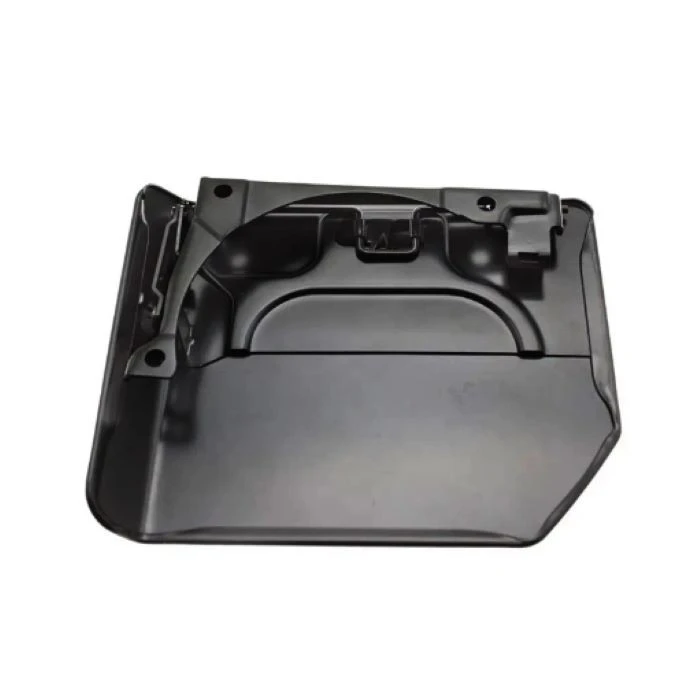
And if you need a Fuel Filler Flap 70189905, we have that too. Our fuel filler flaps are designed to fit perfectly and provide a secure seal to prevent fuel leaks.
Contact Us for Your Fuel System Needs
If you're in the market for a fuel pressure sensor or any other fuel system products, we'd love to hear from you. We're committed to providing our customers with the best products and services, and we're always happy to answer any questions you may have.
Whether you're a mechanic, a vehicle owner, or a business that needs fuel system products, we can help. Contact us today to discuss your fuel system needs and to get a quote. We look forward to working with you!
References
- "Automotive Fuel Systems: Fundamentals, Diagnostics, and Repair" by James D. Halderman
- "Fuel Injection Systems: Principles, Diagnosis, and Service" by Robert Bosch GmbH