

What is the function of the ignition module in a tractor?
In the complex machinery of a tractor, each component plays a crucial role in ensuring its smooth operation. Among these components, the ignition module stands out as a key player in the ignition system. As a reputable ignition module supplier, I am well - versed in the functions and importance of this essential part. In this blog, I will delve into the details of what the ignition module does in a tractor.
The Basics of the Ignition System in a Tractor
Before we can understand the function of the ignition module, it's necessary to have a basic understanding of the tractor's ignition system. The ignition system is responsible for creating a spark at the right time to ignite the air - fuel mixture in the engine's cylinders. This combustion process generates the power that drives the tractor.
The ignition system typically consists of several parts, including the battery, ignition switch, ignition coil, distributor (in older tractors), spark plugs, and the ignition module. Each part has a specific role, and the ignition module acts as the control center, coordinating the entire ignition process.
Primary Functions of the Ignition Module
1. Timing Control
One of the most critical functions of the ignition module is to control the timing of the spark. The spark must occur at precisely the right moment in the engine's cycle for efficient combustion. If the spark occurs too early, the engine may experience knocking, which can cause damage over time. On the other hand, if the spark is too late, the engine will lose power and fuel efficiency.
The ignition module uses sensors to determine the position of the engine's pistons and the speed at which the engine is running. Based on this information, it calculates the optimal time to send a signal to the ignition coil to generate a spark. This precise timing control ensures that the air - fuel mixture is ignited at the most effective point in the compression stroke, maximizing power output and minimizing emissions.
2. Spark Generation
The ignition module is also responsible for triggering the ignition coil to generate a high - voltage spark. The battery provides a low - voltage current, which is not sufficient to create a spark at the spark plugs. The ignition module takes this low - voltage signal and amplifies it by controlling the flow of current through the ignition coil.
When the ignition module sends a signal to the ignition coil, it causes a magnetic field to collapse within the coil. This rapid change in the magnetic field induces a high - voltage current, which can reach up to 40,000 volts or more. This high - voltage current is then sent to the spark plugs, where it jumps across the electrode gap, creating a spark that ignites the air - fuel mixture.
3. System Protection
In addition to timing control and spark generation, the ignition module also serves as a protective device for the ignition system. It monitors the electrical signals within the system and can detect abnormal conditions, such as over - voltage or over - current. If such a condition is detected, the ignition module can take corrective action to prevent damage to the ignition coil, spark plugs, and other components.
For example, if the voltage in the system exceeds a safe level, the ignition module may limit the current flow to the ignition coil, reducing the risk of coil failure. Similarly, if there is a short - circuit in the system, the ignition module can shut down the ignition process to prevent further damage.
Different Types of Ignition Modules for Tractors
There are several types of ignition modules available for tractors, each with its own set of features and advantages.
Electronic Ignition Modules
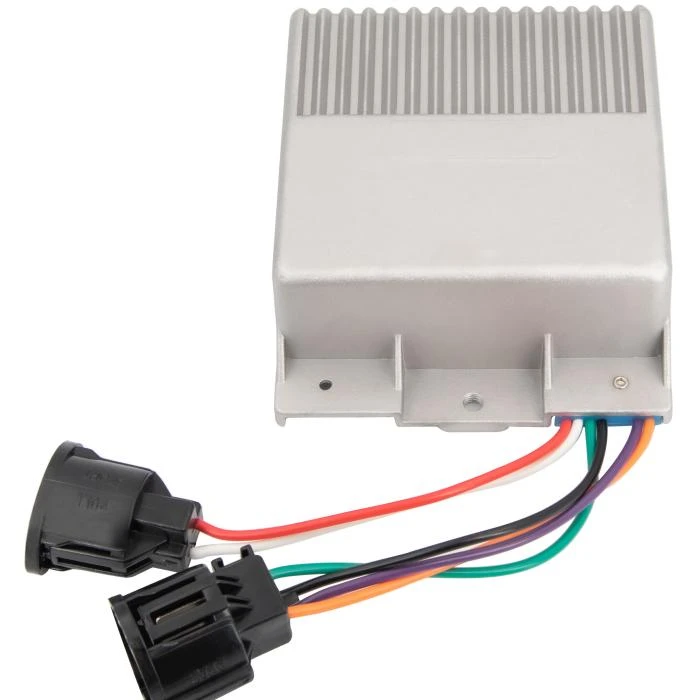
Electronic ignition modules are the most common type used in modern tractors. They offer greater precision and reliability compared to older mechanical ignition systems. Electronic ignition modules use solid - state components, such as transistors and integrated circuits, to control the ignition process.
These modules are more resistant to wear and tear and can provide more consistent spark timing and intensity. They also offer better fuel efficiency and lower emissions, making them an environmentally friendly choice. You can find more information about advanced ignition modules like the Igniter Control Module.

Capacitor Discharge Ignition (CDI) Modules
Capacitor discharge ignition modules are another type of ignition module used in some tractors, especially those with high - performance engines. CDI modules store electrical energy in a capacitor and then release it quickly to the ignition coil, creating a very high - energy spark.
This type of ignition module is ideal for engines that require a strong spark to ignite a lean air - fuel mixture or operate at high speeds. CDI modules can provide a more powerful spark than traditional ignition modules, resulting in better engine performance and throttle response.
Programmable Ignition Modules
Programmable ignition modules offer the highest level of customization and control. They allow the user to adjust the ignition timing and other parameters based on the specific requirements of the tractor and the operating conditions.
Programmable ignition modules are often used in racing tractors or tractors that have been modified for increased performance. With a programmable ignition module, the user can optimize the ignition system for different types of fuel, engine loads, and speeds. If you are interested in a specific model, check out the IGNITION MODULE 9940095.
Importance of a Reliable Ignition Module in a Tractor
A reliable ignition module is essential for the proper functioning of a tractor. A faulty ignition module can cause a variety of problems, including hard starting, rough idling, loss of power, and poor fuel efficiency. In some cases, a malfunctioning ignition module can even prevent the tractor from starting at all.
Regular maintenance and inspection of the ignition module are crucial to ensure its long - term reliability. It's important to check the module for signs of damage, such as cracks, corrosion, or loose connections. If any issues are detected, the ignition module should be replaced as soon as possible to avoid further damage to the ignition system and the engine.
Why Choose Our Ignition Modules
As a leading ignition module supplier, we take pride in offering high - quality products that meet the needs of tractor owners and operators. Our ignition modules are designed and manufactured to the highest standards, using the latest technology and materials.
We offer a wide range of ignition modules for different types of tractors, including electronic ignition modules, CDI modules, and programmable ignition modules. Whether you have a small garden tractor or a large agricultural tractor, we have the right ignition module for your needs.
Our ignition modules are tested rigorously to ensure their performance and reliability. We also provide excellent customer support, including technical advice and installation guidance. If you are looking for a replacement ignition module for your tractor or want to upgrade your existing ignition system, consider our products. You can also explore our Car Ignition Module options if you have other vehicles in need of ignition solutions.
Contact Us for Procurement
If you are interested in purchasing our ignition modules or have any questions about our products, we encourage you to contact us. Our team of experts is ready to assist you in finding the right ignition module for your tractor and to provide you with all the information you need to make an informed decision. Whether you are a tractor owner, a mechanic, or a distributor, we look forward to working with you and helping you keep your tractor running smoothly.
References
- "Tractor Engine Systems" - A comprehensive guidebook on tractor engine components and their functions.
- Industry research reports on ignition systems and their advancements in the agricultural machinery sector.