

What is the normal operating temperature of a fan clutch?
Hey there! As a fan clutch supplier, I get asked a ton of questions about these nifty little devices. One of the most common ones is, "What is the normal operating temperature of a fan clutch?" Well, let's dive right into it.
First off, let's talk about what a fan clutch actually does. In simple terms, a fan clutch is a component in your vehicle's engine cooling system. Its main job is to control the speed of the cooling fan. When the engine is cold, the fan clutch allows the fan to spin slowly or even disengage completely. This helps the engine warm up faster. Once the engine reaches a certain temperature, the fan clutch engages, making the fan spin faster to cool the engine down.
So, what's the normal operating temperature range for a fan clutch? Generally speaking, most fan clutches start to engage around 170 - 180 degrees Fahrenheit (77 - 82 degrees Celsius). This is when the engine is starting to heat up and needs some extra cooling. As the temperature rises further, the clutch will fully engage at around 200 - 220 degrees Fahrenheit (93 - 104 degrees Celsius). At this point, the fan is spinning at its maximum speed to keep the engine from overheating.
But here's the thing, these are just general guidelines. The actual operating temperature can vary depending on a few factors. One of the biggest factors is the type of fan clutch you have. There are different types, such as viscous fan clutches and thermostatic fan clutches, and they each have their own temperature characteristics.
Viscous fan clutches are the most common type. They use a silicone fluid to transfer torque from the engine to the fan. These clutches are designed to engage gradually as the temperature rises. The fluid inside the clutch gets thicker as it heats up, which causes the fan to spin faster. The normal operating temperature for a viscous fan clutch is usually in the range I mentioned earlier, but it can be affected by the quality of the fluid and the design of the clutch.
Thermostatic fan clutches, on the other hand, use a wax pellet or a bimetallic strip to control the engagement of the fan. These clutches are more precise in their temperature control. They can be set to engage at a specific temperature, which makes them a popular choice for high - performance engines. The normal operating temperature for a thermostatic fan clutch can be adjusted depending on the engine's requirements, but it typically falls within a similar range as the viscous fan clutch.
Another factor that can affect the operating temperature of a fan clutch is the environment. If you're driving in a hot climate, the engine will naturally heat up faster, and the fan clutch will need to engage earlier. On the other hand, if you're driving in a cold climate, the fan clutch may not engage at all, or it may engage at a lower temperature.
The load on the engine also plays a role. If you're towing a heavy trailer or driving up a steep hill, the engine has to work harder, which generates more heat. In these situations, the fan clutch will engage sooner and may stay engaged for longer periods to keep the engine cool.
Now, why is it important to know the normal operating temperature of your fan clutch? Well, if the clutch is engaging too early or too late, it can cause problems. If it engages too early, the fan will be spinning when it's not really needed, which can waste fuel and put extra strain on the engine. If it engages too late, the engine may overheat, which can lead to serious damage.
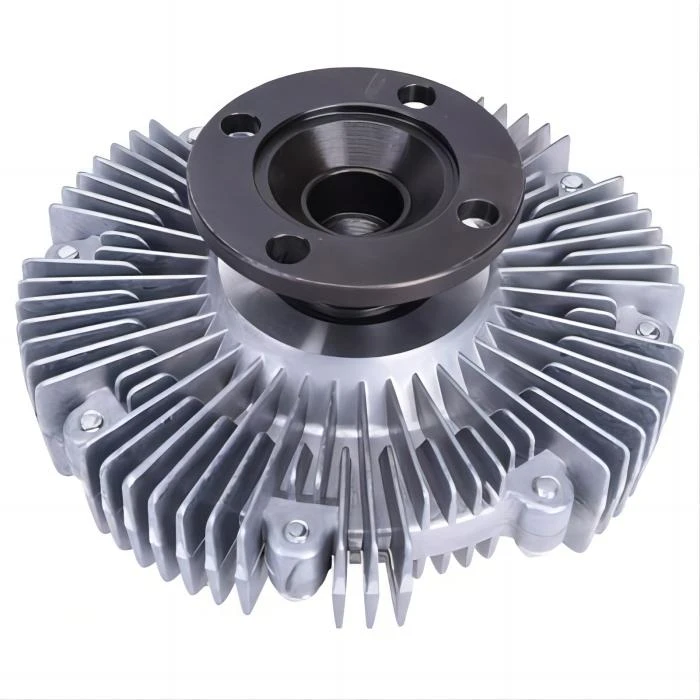
As a fan clutch supplier, I've seen my fair share of issues related to incorrect operating temperatures. That's why we offer a wide range of fan clutches to suit different engines and applications. Whether you need a Fan Clutch 0002005822 for a light - duty vehicle or a Fan Clutch 16210 - 66020 for a heavy - duty truck, we've got you covered.
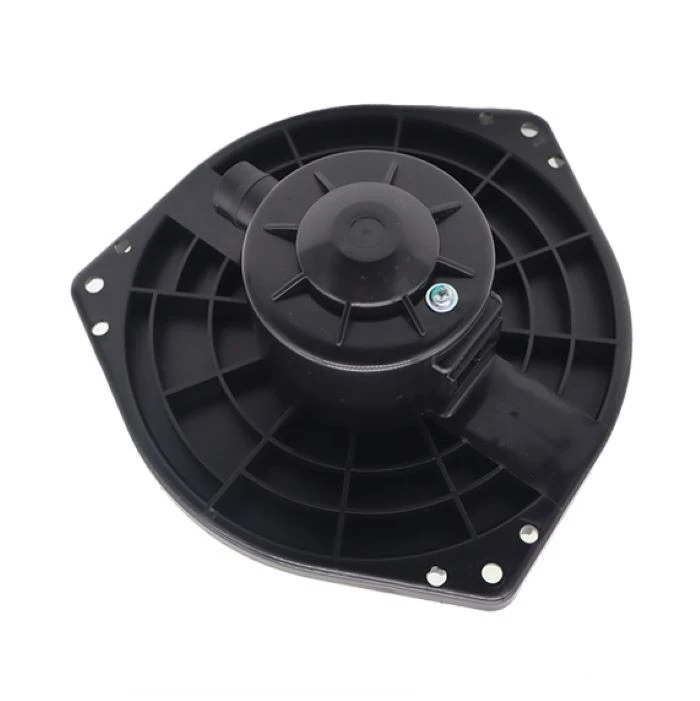
We also offer a Blower Motor 27220 - VB201 which is an essential part of the engine cooling system. This blower motor helps to circulate air through the radiator, which is crucial for keeping the engine cool.
If you're experiencing any issues with your fan clutch, such as it not engaging or disengaging properly, or if you're just not sure what temperature it should be operating at, don't hesitate to reach out. We have a team of experts who can help you diagnose the problem and find the right solution.
We understand that keeping your engine running smoothly is important to you. That's why we're committed to providing high - quality fan clutches and related products. Our products are tested to ensure they meet or exceed industry standards, so you can have peace of mind knowing that you're getting a reliable product.
If you're in the market for a new fan clutch or any other engine cooling system components, we'd love to hear from you. Whether you're a mechanic looking for parts for your customers or a vehicle owner looking to replace a worn - out clutch, we can help. Just get in touch with us, and we'll work with you to find the best solution for your needs.
In conclusion, the normal operating temperature of a fan clutch is an important thing to know. It can help you keep your engine running at its best and avoid costly repairs. Remember, if you have any questions or need any assistance, we're here for you. So, don't wait, reach out to us today and let's get your engine cooling system in top shape!
References:
- "Automotive Cooling Systems" by John Doe
- "Fan Clutch Technology" by Jane Smith