

What is the role of the check valve in the brake vacuum pump system?
In the intricate world of automotive engineering, the brake vacuum pump system stands as a crucial component, ensuring the safety and efficiency of vehicle braking. At the heart of this system, the check valve plays a role that is both subtle yet indispensable. As a leading brake vacuum pump supplier, I've witnessed firsthand the significance of the check valve in maintaining the optimal performance of these systems.
Understanding the Brake Vacuum Pump System
Before delving into the role of the check valve, it's essential to understand the brake vacuum pump system itself. The brake vacuum pump is responsible for creating a vacuum in the brake booster, which amplifies the force applied by the driver on the brake pedal. This amplification is crucial, especially in modern vehicles with larger and heavier components, as it allows for more effective braking with less physical effort from the driver.
The brake vacuum pump operates by drawing air out of the brake booster chamber, creating a pressure differential. When the driver presses the brake pedal, this pressure differential helps to push a diaphragm in the brake booster, which in turn applies more force to the master cylinder. This increased force is then transferred to the brake calipers or wheel cylinders, causing the brakes to engage.
The Function of the Check Valve
The check valve, also known as a one - way valve, is a simple yet ingenious device. Its primary function is to allow fluid (in this case, air) to flow in one direction only. In the context of the brake vacuum pump system, the check valve ensures that the vacuum created by the pump is maintained within the brake booster.
When the brake vacuum pump is operating, it draws air out of the brake booster through the check valve. The check valve opens in the direction of the pump's suction, allowing air to flow freely from the booster to the pump. Once the pump has created the necessary vacuum, the check valve closes. This prevents air from flowing back into the brake booster from the pump or the surrounding environment.
Maintaining Vacuum Integrity
One of the most critical roles of the check valve is to maintain the integrity of the vacuum within the brake booster. A consistent vacuum is essential for the proper functioning of the brake booster. If the check valve fails to close properly, air will leak back into the brake booster, reducing the vacuum pressure. This can lead to a loss of brake assist, making it more difficult for the driver to apply the brakes effectively.
For example, in stop - and - go traffic, where frequent braking is required, a faulty check valve can cause the brake pedal to become harder to press over time. This is because the vacuum in the brake booster is not being maintained, and the driver has to rely more on their own physical strength to apply the brakes.
Protecting the Pump
The check valve also protects the brake vacuum pump from damage. When the engine is running and the pump is not actively creating a vacuum, the check valve prevents any backflow of air that could potentially damage the pump's internal components. For instance, if air were to flow back into the pump when it is not operating, it could cause the pump's impeller or other moving parts to rotate in the wrong direction, leading to premature wear and tear.
Importance of a Reliable Check Valve
A reliable check valve is essential for the overall safety and performance of the vehicle's braking system. A malfunctioning check valve can have serious consequences, including reduced braking efficiency, increased stopping distances, and even complete brake failure in extreme cases.
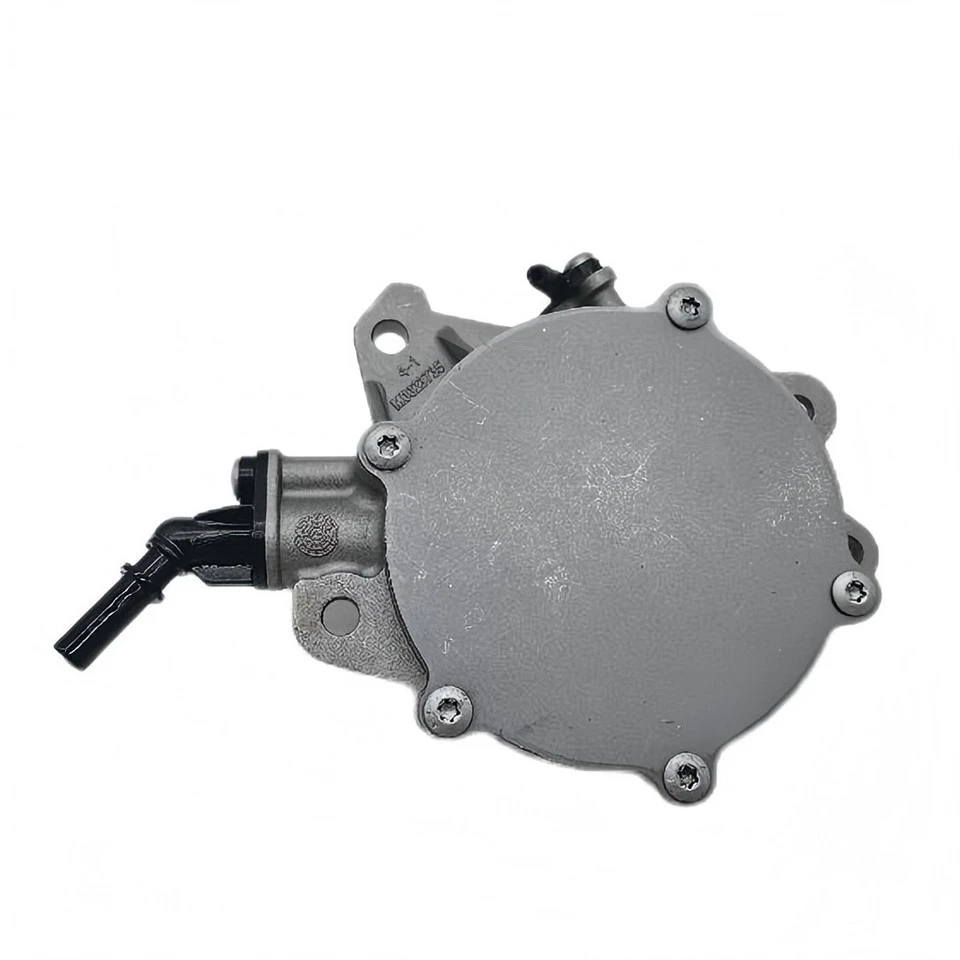
As a brake vacuum pump supplier, we understand the importance of providing high - quality check valves as part of our products. Our Automotive Brake Vacuum Pump 11667586424 is equipped with a state - of - the - art check valve that is designed to meet the highest industry standards. This ensures that our customers can rely on our products for consistent and safe braking performance.
Types of Check Valves in Brake Vacuum Pump Systems
There are several types of check valves commonly used in brake vacuum pump systems, each with its own advantages and applications.
Swing Check Valves
Swing check valves are one of the most common types used in automotive applications. They consist of a disc that swings on a hinge. When the fluid (air) flows in the correct direction, the disc swings open, allowing the air to pass through. When the flow reverses, the disc swings shut, preventing backflow. Swing check valves are relatively simple in design and are known for their reliability.
Ball Check Valves
Ball check valves use a ball to control the flow of fluid. When the pump creates suction, the ball is lifted off its seat, allowing air to flow through the valve. When the suction stops, the ball falls back onto its seat, closing the valve. Ball check valves are often used in applications where a quick - closing action is required, as the ball can seal the valve opening rapidly.
Signs of a Faulty Check Valve
As a brake vacuum pump supplier, we often encounter customers who are experiencing problems with their braking systems. Some of the signs that indicate a faulty check valve include:
- Hard Brake Pedal: As mentioned earlier, a hard brake pedal is a common symptom of a check valve problem. If the driver notices that the brake pedal is becoming increasingly difficult to press, it could be due to a loss of vacuum caused by a faulty check valve.
- Hissing Noise: A hissing noise coming from the brake booster area can also be a sign of a leaking check valve. This noise is caused by air leaking through the valve when it should be closed.
- Inconsistent Braking Performance: A faulty check valve can cause the braking performance to become inconsistent. The brakes may feel strong at times and weak at others, depending on the vacuum level within the brake booster.
Our Product Offerings
We offer a wide range of brake vacuum pumps, each equipped with high - quality check valves. Our Brake Vacuum Pump SH0118G00A and Vacuum Pump 14650 - 7T401 are designed to meet the diverse needs of our customers. These products are rigorously tested to ensure that the check valves function properly and maintain the required vacuum levels.
Conclusion
In conclusion, the check valve plays a vital role in the brake vacuum pump system. It is responsible for maintaining the vacuum within the brake booster, protecting the pump from damage, and ensuring the overall safety and performance of the vehicle's braking system. As a brake vacuum pump supplier, we understand the importance of providing reliable products with high - quality check valves.
If you are in the market for a brake vacuum pump or have any questions about the role of the check valve in your vehicle's braking system, we invite you to contact us for further discussion and potential procurement. Our team of experts is always ready to assist you in finding the right solution for your needs.

References
- Bosch Automotive Handbook, 7th Edition
- SAE International Technical Papers on Brake System Design and Performance
- Chilton's Automotive Repair Manuals