

What is the role of the ignition module in a generator?
Hey there! As a supplier of ignition modules, I've been getting a lot of questions lately about what exactly these little components do in a generator. So, I thought I'd take a few minutes to break it down for you.

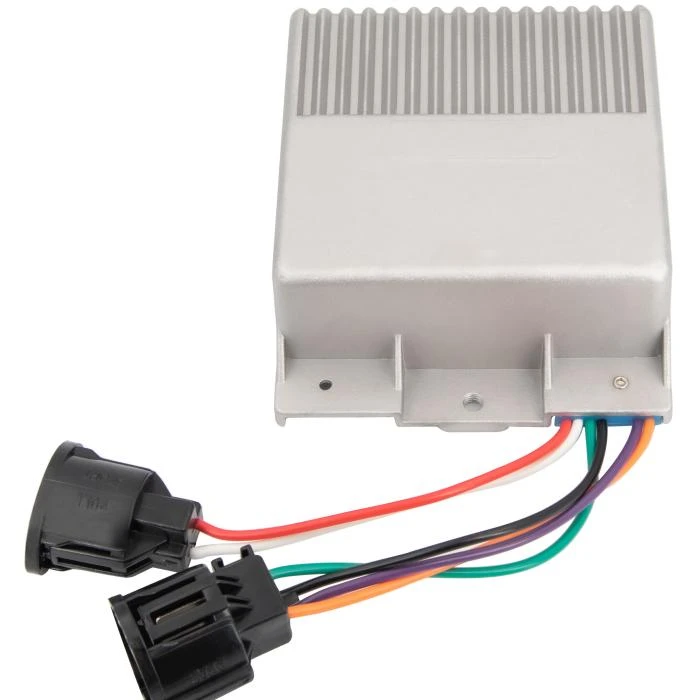
Let's start with the basics. An ignition module is a crucial part of a generator's ignition system. In simple terms, its main job is to control the spark that ignites the fuel - air mixture in the engine's combustion chamber. Without a properly functioning ignition module, your generator just won't work.
How It Works
The ignition module works hand - in - hand with other parts of the ignition system, like the spark plug and the coil. When the engine is running, the ignition module receives signals from various sensors. These sensors tell the module when the piston is in the right position for the fuel - air mixture to be ignited.
Once the module gets the green light from the sensors, it sends an electrical current to the ignition coil. The coil then steps up this voltage to a much higher level. This high - voltage current is then sent to the spark plug, which creates a spark that ignites the fuel - air mixture in the combustion chamber. This combustion process is what powers the generator and allows it to produce electricity.
Why It's Important
The ignition module plays a vital role in the overall performance of a generator. First of all, it ensures that the spark plug fires at the right time. If the spark occurs too early or too late, it can lead to a number of problems. For example, an early spark can cause knocking, which is a rattling noise in the engine. This knocking can damage the engine over time. On the other hand, a late spark can result in poor fuel combustion, which means the generator will be less efficient and may produce less power.
Another important aspect is reliability. A good ignition module is built to last and can withstand the harsh conditions inside a generator engine. It needs to be able to function properly in high - temperature environments and handle electrical surges without failing. That's why it's essential to choose a high - quality ignition module for your generator.
Different Types of Ignition Modules
There are several types of ignition modules out there, each designed for specific applications. For example, there's the IGNITION MODULE 9940095. This module is known for its high - performance and reliability. It's often used in larger generators where a consistent and powerful spark is required.
Then we have the Igniter Control Module. This type of module is more advanced and has additional features for better control of the ignition process. It can adjust the spark timing based on the engine's operating conditions, which helps to improve fuel efficiency and reduce emissions.
And if you're looking for a module for a smaller generator, like those used in cars or small portable generators, the Car Ignition Module might be the right choice. It's compact and designed to fit the specific requirements of these smaller engines.
Signs of a Faulty Ignition Module
It's important to know the signs of a faulty ignition module so you can replace it before it causes serious damage to your generator. One of the most common signs is a hard - starting engine. If your generator takes longer than usual to start, or if it won't start at all, it could be a problem with the ignition module.
Another sign is a rough - running engine. If the engine is shaking or vibrating more than normal, or if it's misfiring, this could also indicate a faulty ignition module. You might also notice a decrease in power output. If your generator isn't producing as much electricity as it used to, it could be because the ignition module isn't working properly.
Maintenance and Replacement
Maintaining your ignition module is relatively simple. Regularly check for any signs of damage, like cracks or corrosion. Keep the module clean and free from dirt and debris. If you notice any problems, it's best to replace the module as soon as possible.
When it comes to replacement, it's important to choose a module that's compatible with your generator. Make sure to check the specifications of your generator and the ignition module before making a purchase. And if you're not comfortable replacing the module yourself, it's always a good idea to hire a professional.
Conclusion
In conclusion, the ignition module is a key component in a generator's ignition system. It controls the spark that ignites the fuel - air mixture, ensuring that the engine runs smoothly and efficiently. Whether you're using a small portable generator or a large industrial one, a high - quality ignition module is essential for reliable performance.
If you're in the market for a new ignition module, or if you have any questions about our products, don't hesitate to reach out. We're here to help you find the right ignition module for your needs. Whether you need the IGNITION MODULE 9940095, the Igniter Control Module, or the Car Ignition Module, we've got you covered. Let's start a conversation and get your generator running at its best!
References
- Automotive Ignition Systems: Principles, Diagnosis, and Service. By James D. Halderman.
- Generator Manuals: Various manufacturers' manuals provide detailed information about ignition systems and modules.