

What is the voltage output of an ignition module?
As a seasoned supplier of ignition modules, I often get asked about the voltage output of these crucial components. In this blog, I'll delve into the details of what voltage output means for an ignition module, why it matters, and how it varies across different models.
Understanding the Basics of Ignition Modules
Before we dive into voltage output, let's briefly understand what an ignition module does. An ignition module is a key part of the ignition system in vehicles and other combustion - engine applications. Its primary function is to control the ignition timing and generate the high - voltage spark needed to ignite the air - fuel mixture in the engine's cylinders.
The ignition system typically consists of several components, including the battery, ignition switch, ignition coil, ignition module, and spark plugs. The ignition module acts as a gatekeeper, regulating the flow of electrical current from the battery to the ignition coil.
What is Voltage Output?
Voltage output refers to the amount of electrical potential difference that an ignition module can produce. In the context of an ignition system, this voltage is essential because it determines the strength of the spark that reaches the spark plugs. A stronger spark is more likely to ignite the air - fuel mixture efficiently, leading to better engine performance, improved fuel economy, and reduced emissions.

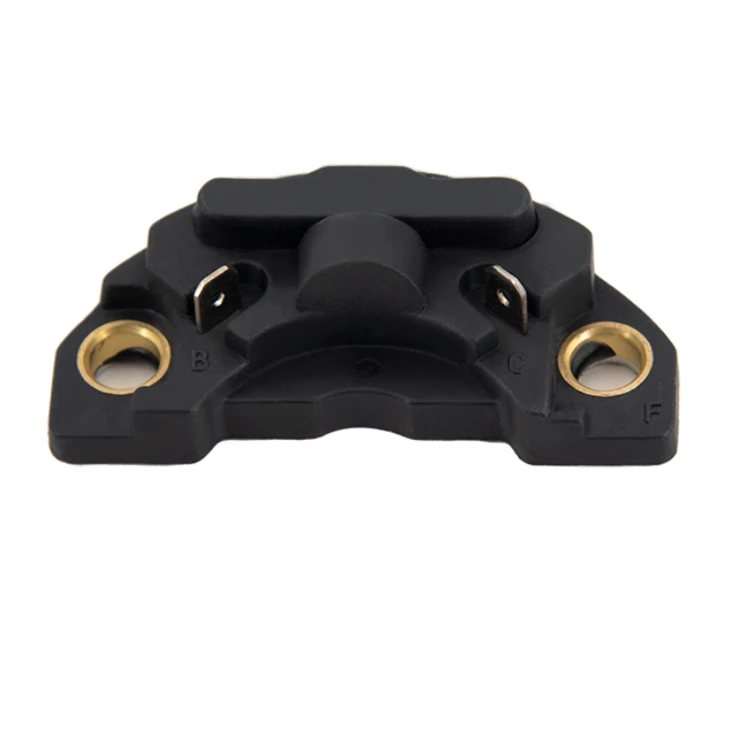
The voltage output of an ignition module can vary depending on several factors, such as the design of the module, the type of ignition system it is part of, and the requirements of the engine. In general, ignition modules can produce voltage outputs ranging from a few thousand volts to tens of thousands of volts.
Types of Ignition Systems and Their Voltage Requirements
There are different types of ignition systems, each with its own voltage requirements. Let's take a look at some of the common ones:
Conventional Ignition Systems
Conventional ignition systems, also known as points - type ignition systems, were widely used in older vehicles. In these systems, the ignition module (or the breaker points in earlier designs) controlled the flow of current to the ignition coil. The voltage output of a conventional ignition system typically ranges from 10,000 to 20,000 volts. While these systems were reliable in their time, they had limitations in terms of ignition timing accuracy and spark energy.
Electronic Ignition Systems
Electronic ignition systems replaced conventional systems in most modern vehicles. These systems use solid - state electronics to control the ignition process. Electronic ignition modules can produce higher voltage outputs, typically in the range of 20,000 to 40,000 volts. The higher voltage allows for a more powerful spark, which is especially beneficial for engines with higher compression ratios or those that require more precise ignition timing.
Distributor - less Ignition Systems (DIS)
Distributor - less ignition systems, also known as coil - on - plug (COP) systems, have become increasingly popular in recent years. In a DIS system, each cylinder has its own ignition coil, and the ignition module controls the firing of each coil independently. This design allows for even more precise ignition timing and higher voltage outputs. DIS ignition modules can produce voltages in excess of 40,000 volts, providing a very strong spark for efficient combustion.
Factors Affecting Voltage Output
Several factors can affect the voltage output of an ignition module:
Battery Voltage
The battery is the primary source of electrical power for the ignition system. A weak or low - voltage battery can result in a lower voltage output from the ignition module. It's important to ensure that the battery is in good condition and providing the correct voltage (usually around 12 volts in a standard automotive battery) to the ignition system.
Ignition Coil Characteristics
The ignition coil plays a crucial role in stepping up the voltage from the battery to the high voltage required for the spark. The design and specifications of the ignition coil, such as its turns ratio and inductance, can affect the voltage output of the ignition module. A high - quality ignition coil with the appropriate characteristics will work in tandem with the ignition module to produce the desired voltage.
Engine Load and RPM
The voltage output of an ignition module may also vary depending on the engine load and RPM (revolutions per minute). At higher engine speeds and under heavy loads, the engine requires a stronger spark to ensure proper combustion. The ignition module may adjust its voltage output accordingly to meet these demands.
Importance of Correct Voltage Output
Having the correct voltage output from an ignition module is vital for the proper functioning of the engine. Here's why:
Efficient Combustion
A sufficient voltage output ensures that the spark plugs can generate a strong enough spark to ignite the air - fuel mixture completely. This leads to more efficient combustion, which in turn improves engine power, fuel economy, and reduces emissions.
Engine Reliability
Inadequate voltage output can cause misfires, which can damage the engine over time. Misfires can lead to unburned fuel entering the exhaust system, which can cause overheating of the catalytic converter and other components. A reliable ignition module with the correct voltage output helps prevent these issues and ensures the long - term reliability of the engine.
Our Product Range and Voltage Output
As a leading supplier of ignition modules, we offer a wide range of products to meet the diverse needs of our customers. For example, our IGNITION MODULE 9940095 is designed for use in modern electronic ignition systems. It is capable of producing a high - voltage output of up to 35,000 volts, ensuring a strong and reliable spark for efficient engine performance.
We also have Ignition Control Unit and Igniter Control Module options that are engineered to work seamlessly with different types of ignition systems. These modules are carefully tested to ensure that they meet the strictest quality standards and provide the optimal voltage output for various engine applications.
Contact Us for Your Ignition Module Needs
If you're in the market for high - quality ignition modules with the right voltage output for your specific requirements, look no further. Our team of experts is ready to assist you in choosing the best ignition module for your engine. Whether you're a mechanic, an automotive enthusiast, or a business looking to source ignition modules in bulk, we can provide you with the products and support you need.
Contact us today to start a conversation about your ignition module procurement. We're committed to providing you with the best products at competitive prices and excellent customer service.
References
- "Automotive Ignition Systems" by Robert Bosch GmbH
- "Fundamentals of Vehicle Technology" by Heinrich Eichlseder, Hans Eichlseder, and Helmut Reimpell