

What kind of lubrication does a brake vacuum pump need?
Brake vacuum pumps play a crucial role in modern automotive braking systems. They are responsible for generating the necessary vacuum pressure to assist the driver in applying the brakes effectively. To ensure the optimal performance and longevity of these pumps, proper lubrication is essential. As a leading brake vacuum pump supplier, I am here to share insights into the kind of lubrication that a brake vacuum pump needs.
The Function of Brake Vacuum Pumps
Before delving into the lubrication requirements, it's important to understand how brake vacuum pumps work. In most vehicles, the engine intake manifold was traditionally used to provide vacuum for the brake booster. However, with the advent of modern engine technologies such as direct injection and turbocharging, engine vacuum may not be sufficient or consistent. This is where brake vacuum pumps come in.
A brake vacuum pump is typically driven by the engine camshaft, belt, or an electric motor. It creates a vacuum in the brake booster, which amplifies the force applied by the driver on the brake pedal. This results in more efficient and responsive braking, especially in emergency situations.
Importance of Lubrication
Lubrication is vital for the proper functioning of a brake vacuum pump. It serves several key purposes:
- Reduces Friction: The moving parts inside the pump, such as pistons, rotors, and vanes, experience significant friction during operation. Lubrication forms a thin film between these parts, reducing friction and wear. This helps to prevent premature failure of the pump and ensures smooth operation.
- Dissipates Heat: The friction generated during operation can cause the pump to heat up. Lubrication helps to dissipate this heat, preventing overheating and damage to the pump components.
- Seals the Pump: A good lubricant also helps to create a seal between the moving parts, preventing the leakage of vacuum and ensuring efficient operation of the pump.
- Prevents Corrosion: Moisture and contaminants can enter the pump over time, leading to corrosion. Lubrication helps to protect the pump components from corrosion, extending their lifespan.
Types of Lubrication
There are two main types of lubrication used in brake vacuum pumps: oil lubrication and grease lubrication.
Oil Lubrication
Oil lubrication is commonly used in larger, more complex brake vacuum pumps. These pumps typically have a separate oil reservoir and a lubrication system that circulates the oil throughout the pump.
Advantages of Oil Lubrication
- Excellent Cooling: Oil has good heat transfer properties, which helps to keep the pump cool during operation.
- Continuous Lubrication: The oil is continuously circulated, ensuring that all moving parts are properly lubricated at all times.
- Self - Cleaning: The oil can carry away debris and contaminants, helping to keep the pump clean.
Disadvantages of Oil Lubrication
- Complexity: Oil - lubricated pumps require a more complex lubrication system, which can increase the cost and maintenance requirements.
- Oil Leakage: There is a risk of oil leakage, which can contaminate other components in the vehicle.
Grease Lubrication
Grease lubrication is often used in smaller, simpler brake vacuum pumps. Grease is a semi - solid lubricant that is applied directly to the moving parts of the pump during assembly.
Advantages of Grease Lubrication
- Simplicity: Grease - lubricated pumps are simpler in design and do not require a complex lubrication system.
- Leakage Resistance: Grease is less likely to leak compared to oil, reducing the risk of contamination.
- Long - Lasting: Grease can provide long - term lubrication, reducing the need for frequent maintenance.
Disadvantages of Grease Lubrication
- Limited Cooling: Grease has poorer heat transfer properties compared to oil, which can lead to higher operating temperatures.
- Limited Contaminant Removal: Grease is less effective at carrying away debris and contaminants compared to oil.
Choosing the Right Lubricant
When choosing a lubricant for a brake vacuum pump, several factors need to be considered:
- Compatibility: The lubricant must be compatible with the materials used in the pump, such as the seals, gaskets, and pump components. Using an incompatible lubricant can cause swelling, shrinking, or degradation of these materials, leading to pump failure.
- Viscosity: The viscosity of the lubricant is an important consideration. It should be chosen based on the operating temperature and speed of the pump. A lubricant that is too thin may not provide adequate lubrication, while a lubricant that is too thick can cause increased friction and reduced efficiency.
- Additives: Many lubricants contain additives that enhance their performance. These additives can include anti - wear agents, antioxidants, rust inhibitors, and detergents. Choose a lubricant with additives that are suitable for the specific requirements of the brake vacuum pump.
Lubrication Requirements for Different Types of Brake Vacuum Pumps
Piston - Type Vacuum Pumps
Piston - type vacuum pumps are commonly used in automotive applications. They typically require oil lubrication. The oil should have a viscosity that is suitable for the operating temperature of the pump. For most piston - type vacuum pumps, a high - quality synthetic oil with a viscosity rating of SAE 5W - 30 or SAE 10W - 40 is recommended.
The oil should be changed at regular intervals, as recommended by the pump manufacturer. This helps to ensure that the pump is properly lubricated and that any contaminants are removed from the system.
Rotary Vane Vacuum Pumps
Rotary vane vacuum pumps also require proper lubrication. They can be lubricated with either oil or grease, depending on the design of the pump.
If oil lubrication is used, a synthetic oil with good anti - wear properties is recommended. The oil should be changed regularly to maintain the performance of the pump.
For grease - lubricated rotary vane pumps, a high - temperature, synthetic grease is typically used. The grease should be applied according to the manufacturer's instructions, and the pump may require relubrication at specific intervals.
Our Product Range
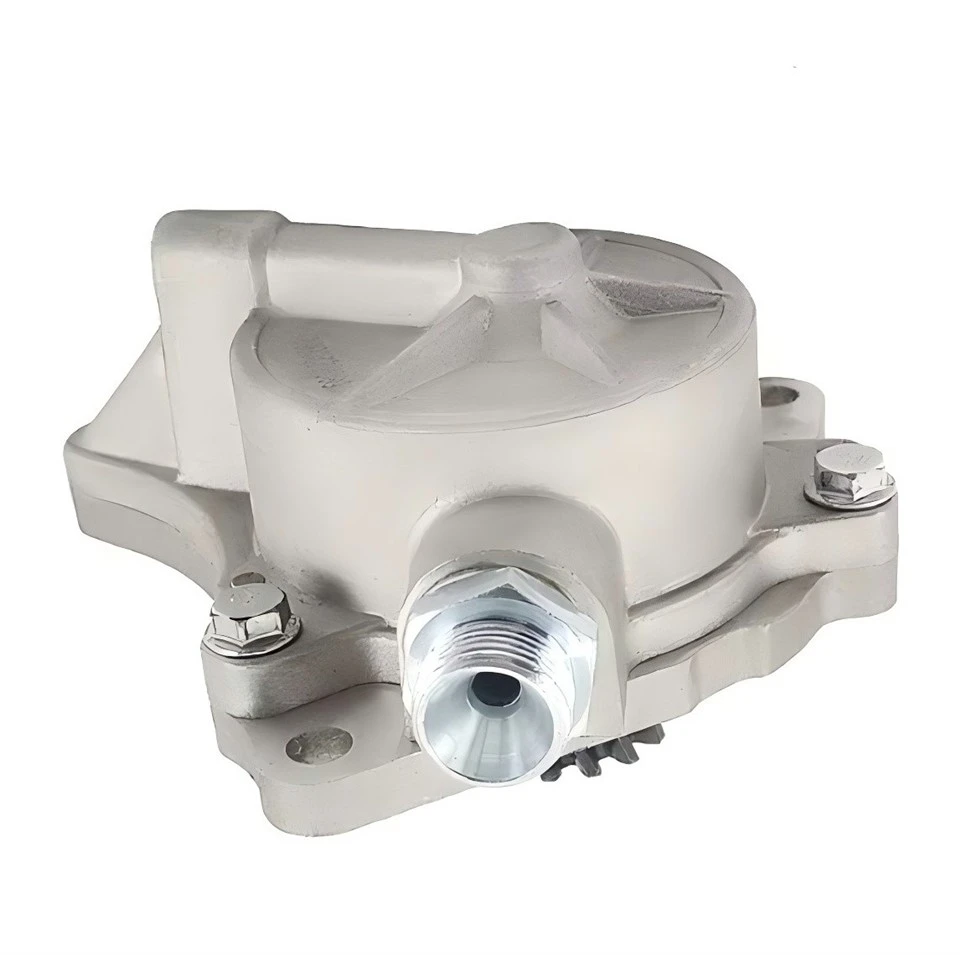
As a brake vacuum pump supplier, we offer a wide range of high - quality brake vacuum pumps that are designed to meet the needs of different vehicles and applications. Our products include:
- Automotive Vacuum Pump ME013497 ME017287: This pump is suitable for a variety of automotive applications and is designed for efficient and reliable operation.
- Vacuum Pump 14650 - 7T401: A robust and durable vacuum pump that is built to withstand the rigors of daily use.
- 29300 - 67020 Brake Vacuum Pump: This pump offers excellent performance and is designed to provide consistent vacuum pressure for reliable braking.
All our pumps are tested and certified to meet the highest quality standards. We also provide detailed instructions on lubrication and maintenance to ensure the optimal performance and longevity of our products.

Contact Us for Procurement
If you are in the market for high - quality brake vacuum pumps or have any questions about lubrication and maintenance, we would be happy to assist you. Our team of experts can provide you with the information and support you need to make an informed decision.
Whether you are an automotive manufacturer, distributor, or repair shop, we can offer you competitive prices and excellent customer service. Contact us today to discuss your procurement needs and start a partnership with a trusted brake vacuum pump supplier.
References
- Automotive Brake Systems: Principles and Diagnosis, 3rd Edition by James D. Halderman
- Modern Automotive Technology, 11th Edition by James D. Halderman and Mitchell J. Cogdell
- Brake Vacuum Pump Technical Manuals from various manufacturers