

What role does the engine thermostat play in the cooling system?
The engine thermostat is a small yet crucial component in the engine cooling system. As an engine thermostat supplier, I've witnessed firsthand the vital role these devices play in maintaining the optimal performance of engines. In this blog, I'll delve into the functions, working principles, and significance of engine thermostats in the cooling system.
The Basics of the Engine Cooling System
Before we discuss the role of the engine thermostat, it's essential to understand the overall engine cooling system. The primary purpose of the cooling system is to regulate the engine's temperature, preventing it from overheating. An overheated engine can lead to a range of problems, including reduced performance, increased wear and tear, and even permanent damage.
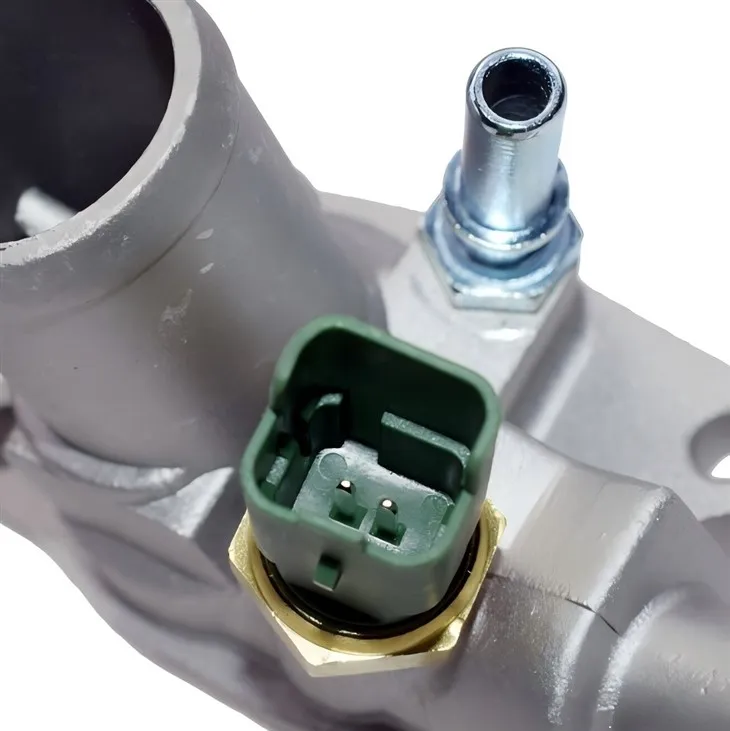
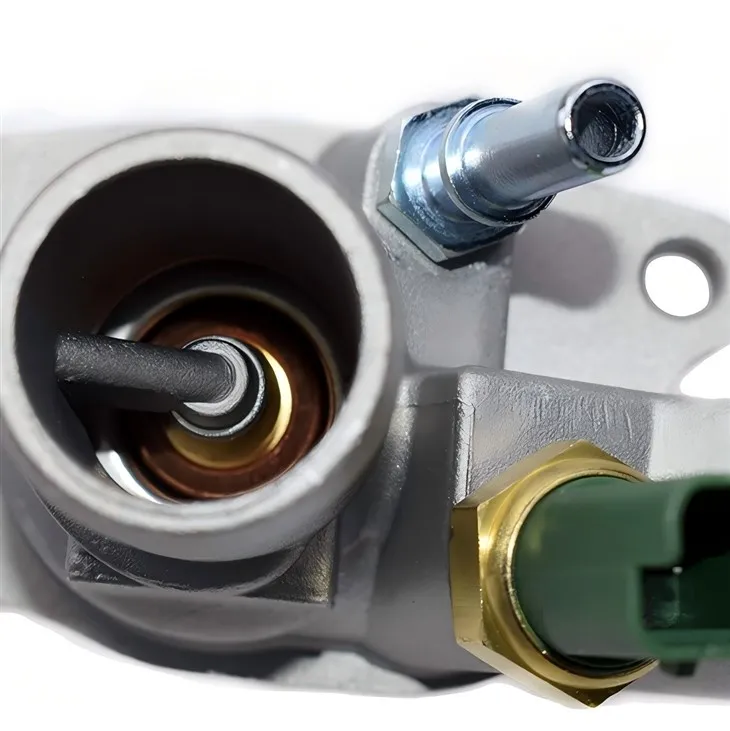
The cooling system typically consists of several key components: the radiator, water pump, coolant, hoses, and the engine thermostat. The radiator dissipates heat from the coolant, the water pump circulates the coolant throughout the engine, and the hoses connect all the components. The engine thermostat acts as a gatekeeper, controlling the flow of coolant between the engine and the radiator.
How the Engine Thermostat Works
The engine thermostat is a temperature - sensitive valve located between the engine and the radiator. It remains closed when the engine is cold, preventing the coolant from flowing into the radiator. This allows the engine to warm up quickly to its optimal operating temperature, which is usually around 195 - 220 degrees Fahrenheit (90 - 105 degrees Celsius).
When the engine reaches the thermostat's opening temperature, the thermostat begins to open. As it opens, it allows coolant to flow from the engine to the radiator, where the heat is dissipated. The coolant then returns to the engine, completing the cooling cycle. The thermostat continuously adjusts its position based on the engine's temperature, ensuring that the engine stays within the optimal temperature range.
There are two main types of engine thermostats: wax - pellet thermostats and bimetallic thermostats. Wax - pellet thermostats are the most common type. They contain a wax pellet that expands when heated. As the wax expands, it pushes a piston, which opens the thermostat valve. Bimetallic thermostats use a strip of two different metals bonded together. When heated, the two metals expand at different rates, causing the strip to bend and open the valve.
The Role of the Engine Thermostat in the Cooling System
1. Quick Engine Warm - Up
One of the most important roles of the engine thermostat is to enable the engine to warm up quickly. When the engine is cold, fuel doesn't burn as efficiently, and the engine oil is thicker, which increases friction. By keeping the coolant from flowing to the radiator when the engine is cold, the thermostat allows the engine to reach its optimal operating temperature faster. This improves fuel efficiency, reduces emissions, and minimizes engine wear.
2. Temperature Regulation
The engine thermostat is responsible for maintaining a stable engine temperature. It ensures that the engine doesn't get too hot or too cold. If the engine gets too hot, the components can expand, leading to increased friction and potential damage. On the other hand, if the engine runs too cold, fuel economy suffers, and emissions increase. The thermostat continuously monitors the engine's temperature and adjusts the coolant flow accordingly, providing a consistent and optimal operating environment for the engine.
3. Protecting Engine Components
By regulating the engine's temperature, the thermostat helps protect the engine's internal components. High temperatures can cause engine oil to break down, reducing its lubricating properties and increasing wear on the engine's moving parts. The thermostat also prevents the formation of steam pockets in the cooling system, which can cause localized overheating and damage to the engine block and cylinder heads.
Signs of a Faulty Engine Thermostat
A faulty engine thermostat can cause a variety of problems. Some common signs of a bad thermostat include:
- Overheating Engine: If the thermostat fails to open, coolant cannot flow to the radiator, and the engine will overheat. This can lead to serious engine damage if not addressed promptly.
- Cold Engine: A thermostat that fails to close properly will allow coolant to flow to the radiator even when the engine is cold. This can prevent the engine from reaching its optimal operating temperature, resulting in poor fuel economy and increased emissions.
- Temperature Fluctuations: If the thermostat is stuck partially open or closed, the engine's temperature may fluctuate erratically. This can make it difficult to maintain a stable engine performance.
Our Engine Thermostat Products
As an engine thermostat supplier, we offer a wide range of high - quality thermostats to meet the needs of different engines. For example, our Thermostat 55202176 is designed for specific engine models, providing reliable temperature control. Our Auto Cooling Thermostat 92062728 is suitable for automotive engines, ensuring efficient cooling and optimal performance. And our Auto Thermostat 96984104 is engineered to withstand high temperatures and provide long - lasting service.
Why Choose Our Engine Thermostats
- Quality Assurance: Our thermostats are manufactured using high - quality materials and advanced manufacturing processes. We conduct rigorous quality control tests to ensure that each thermostat meets or exceeds industry standards.
- Precise Temperature Control: Our thermostats are designed to open and close at the exact temperatures required for optimal engine performance. This ensures that your engine stays within the ideal temperature range at all times.
- Wide Compatibility: We offer a diverse range of thermostats that are compatible with various engine makes and models. Whether you have a small car engine or a large industrial engine, we have the right thermostat for you.
Contact Us for Purchasing
If you're in the market for high - quality engine thermostats, we'd love to hear from you. Our team of experts can help you select the right thermostat for your engine and provide you with all the information you need. We're committed to providing excellent customer service and ensuring that you're satisfied with your purchase. Contact us today to start the purchasing and negotiation process.
References
- Heywood, J. B. (1988). Internal Combustion Engine Fundamentals. McGraw - Hill.
- Crolla, D. A. (2001). Vehicle Dynamics: Theory and Application. Society of Automotive Engineers.
- Taylor, C. F. (1985). The Internal - Combustion Engine in Theory and Practice. MIT Press.