

Can a brake pad set cause the brake pedal to feel spongy?
Hey there! As a brake pad set supplier, I get asked a ton of questions about brake systems. One of the most common ones is, "Can a brake pad set cause the brake pedal to feel spongy?" Let's dive into this topic and find out.
First off, let's understand what a spongy brake pedal means. When you press the brake pedal, it should feel firm and responsive. A spongy pedal, on the other hand, feels soft and mushy, and you might have to press it further down to get the same braking effect. This is not only annoying but also a safety concern.
Now, can a brake pad set be the culprit? Well, it's possible, but it's not the most common cause. Brake pads are a crucial part of the braking system, but they're just one piece of the puzzle. Let's take a closer look at how brake pads work and what could go wrong.
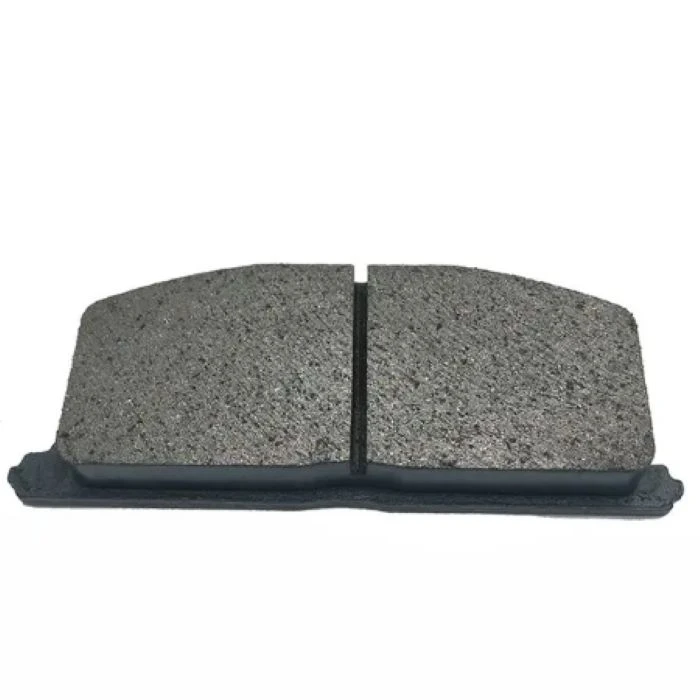
Brake pads are designed to create friction against the brake rotors when you press the brake pedal. This friction slows down the wheels and stops the vehicle. Over time, brake pads wear out, and their performance can decline. If the brake pads are worn too thin, they might not be able to generate enough friction, which could make the brake pedal feel spongy. However, this is usually accompanied by other symptoms, such as squealing or grinding noises when you brake.
Another possibility is that the brake pads are contaminated. Brake pads can get contaminated with oil, grease, or other substances, which can reduce their friction coefficient. This can also cause the brake pedal to feel spongy. If you suspect that your brake pads are contaminated, it's important to replace them as soon as possible.
But here's the thing: a spongy brake pedal is more likely to be caused by other issues in the braking system. One of the most common causes is air in the brake lines. When air gets into the brake lines, it compresses more easily than brake fluid, which makes the pedal feel spongy. This can happen if there's a leak in the brake lines or if the brake fluid hasn't been changed in a long time.
Another possible cause is a problem with the brake master cylinder. The brake master cylinder is responsible for converting the pressure you apply to the brake pedal into hydraulic pressure that activates the brakes. If the master cylinder is leaking or malfunctioning, it can cause the brake pedal to feel spongy.
So, while a brake pad set can potentially cause a spongy brake pedal, it's usually not the root cause. If you're experiencing a spongy brake pedal, it's important to have your braking system inspected by a professional mechanic. They can diagnose the problem and recommend the appropriate repairs.
As a brake pad set supplier, I offer a wide range of high-quality brake pads that are designed to provide reliable performance and long-lasting durability. For example, our Brake Pads 41060-EB326 are made from premium materials and are engineered to deliver excellent braking performance in all conditions. And our Brake Pads 04465-12240 are specifically designed for high-performance vehicles, offering superior stopping power and fade resistance.
If you're in the market for new brake pads, I encourage you to contact me for more information. I can help you choose the right brake pads for your vehicle and provide you with competitive pricing and excellent customer service. Whether you're a professional mechanic or a DIY enthusiast, I'm here to help you keep your vehicle's braking system in top condition.

In conclusion, while a brake pad set can potentially cause a spongy brake pedal, it's usually not the main cause. If you're experiencing this issue, it's important to have your braking system inspected by a professional. And if you need new brake pads, I'm here to provide you with the best products and service in the industry. So, don't hesitate to reach out and let's start a conversation about your brake pad needs.
References:
- "Brake System Basics." AutoZone.
- "How to Diagnose a Spongy Brake Pedal." YourMechanic.