

What are the environmental impacts of brake pad sets?
Hey there! As a brake pad set supplier, I've been thinking a lot about the environmental impacts of our products. Brake pads are a crucial part of a vehicle's safety system, but they also have some less - known effects on the environment. Let's dive into it.
1. Material Sourcing and Extraction
The first stage where brake pads impact the environment is during the material sourcing. Brake pads are made from a variety of materials, including metals like copper, steel, and sometimes asbestos (although asbestos is now largely phased out due to its health risks).
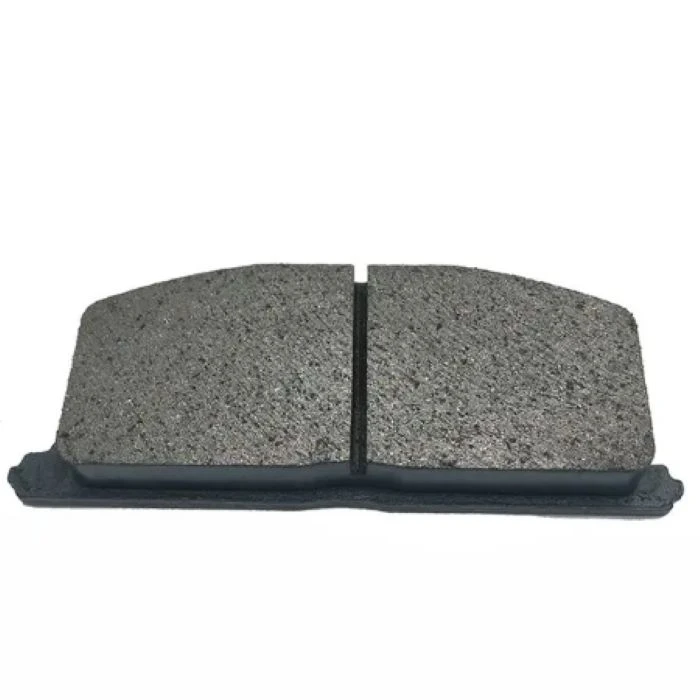

Mining these metals has a significant environmental footprint. For example, copper mining often involves large - scale open - pit mining operations. These operations lead to deforestation as large areas of land are cleared to access the ore. The removal of trees disrupts local ecosystems, reduces biodiversity, and can lead to soil erosion.
Moreover, the mining process consumes a huge amount of water. In some arid regions, this can lead to water shortages for local communities and wildlife. The chemicals used in the extraction process, such as cyanide in gold and copper mining, can contaminate water sources if not properly managed. This contamination can harm aquatic life and make water unfit for human use.
As a supplier, we're constantly looking for more sustainable sourcing options. We're trying to partner with mines that follow strict environmental regulations and use more eco - friendly extraction methods. For instance, some modern mines are using advanced water recycling systems to reduce their water consumption.
2. Manufacturing Process
The manufacturing of brake pad sets is an energy - intensive process. High temperatures are required to bond the different materials together and form the brake pads. This energy usually comes from fossil fuels, which release greenhouse gases like carbon dioxide into the atmosphere.
The production process also generates a significant amount of waste. There are scraps of metal, resin, and other materials that are left over during the manufacturing. If not properly managed, this waste can end up in landfills, taking up space and potentially leaching harmful chemicals into the soil and groundwater.
To address these issues, we've invested in more energy - efficient manufacturing equipment. We're also implementing waste management programs to recycle as much of the manufacturing waste as possible. By recycling the metal scraps, we can reduce the demand for new mined metals and lower our overall environmental impact.
3. Wear and Tear During Use
When a vehicle is in motion, the brake pads wear down. This wear and tear releases tiny particles into the air. These particles, known as brake dust, can be harmful to both the environment and human health.
Brake dust contains heavy metals like copper, lead, and zinc. When these particles are released into the air, they can be inhaled by humans and animals. In humans, long - term exposure to these heavy metals can cause respiratory problems, neurological damage, and other health issues.
Environmentally, these particles can settle on the ground and in water bodies. In water bodies, they can harm aquatic life. For example, copper is toxic to fish at high concentrations. It can damage their gills, affect their growth and reproduction, and even lead to death.
As a supplier, we're researching and developing brake pad formulations that produce less dust. We're also looking into materials that are less harmful when released into the environment. For example, some new brake pads are made with ceramic materials, which produce less dust and are generally considered to be more environmentally friendly.
4. End - of - Life Disposal
Once brake pads reach the end of their useful life, they need to be disposed of. If they're simply thrown into landfills, the heavy metals and other potentially harmful substances in the brake pads can leach into the soil and groundwater over time.
To deal with this issue, we're promoting the recycling of used brake pads. Recycling not only reduces the amount of waste going to landfills but also allows us to recover valuable metals. For example, the steel in brake pads can be melted down and reused in the manufacturing of new products.
Our Product Offerings
We offer a range of brake pad sets, including Brake Pads 41060 - EB326 and Brake Pads 04465 - 12240. These products are designed with both performance and environmental considerations in mind. Our team is constantly working on improving the environmental profile of our products, from the sourcing of materials to the end - of - life disposal.
Conclusion
The environmental impacts of brake pad sets are multi - faceted, spanning from material sourcing to end - of - life disposal. As a supplier, we're committed to minimizing these impacts. We believe that by taking steps like sustainable sourcing, energy - efficient manufacturing, and promoting recycling, we can make a positive difference.
If you're interested in learning more about our brake pad sets or have any questions regarding their environmental impact, feel free to reach out. We're always happy to have a chat and discuss how we can meet your needs while also being kind to the environment. Whether you're a car manufacturer, a repair shop, or an individual looking for high - quality brake pads, we're here to serve you. Let's work together to make the automotive industry more sustainable!
References
- "Environmental Impacts of Mining." United Nations Environment Programme.
- "The Effects of Brake Dust on Human Health and the Environment." Journal of Environmental Science and Health.
- "Sustainable Manufacturing in the Automotive Industry." International Journal of Sustainable Manufacturing.